
Testosterone — it’s not just the “male hormone.” It’s the silent engine behind your energy, strength, confidence, and even your ability to think clearly. Yet, most men have no idea how it really works, what affects it, or how modern life is slowly draining it away.
Let’s fix that.
Here are 10 things every man should know about testosterone — according to science.
1. Testosterone Peaks in Your Early 20s — Then Slowly Declines
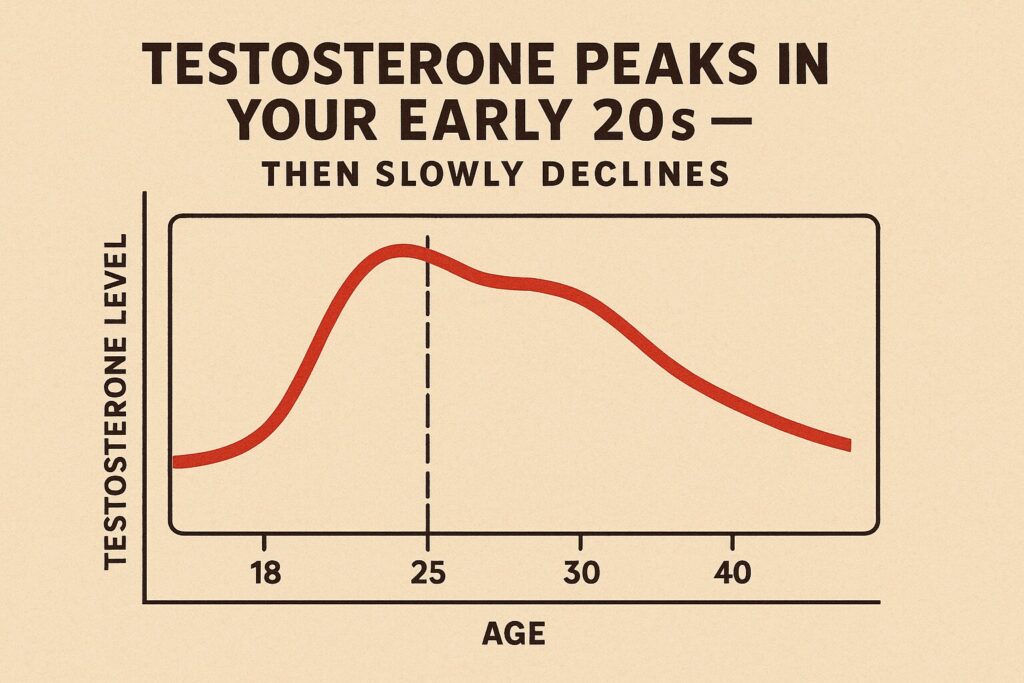
Most men reach their highest natural testosterone levels between ages 18 and 25. After that, levels drop about 1% per year. It’s not catastrophic, but it’s steady — and by 40, many men have lost up to a third of their youthful testosterone.
2. Low Testosterone Isn’t Just About Sex Drive
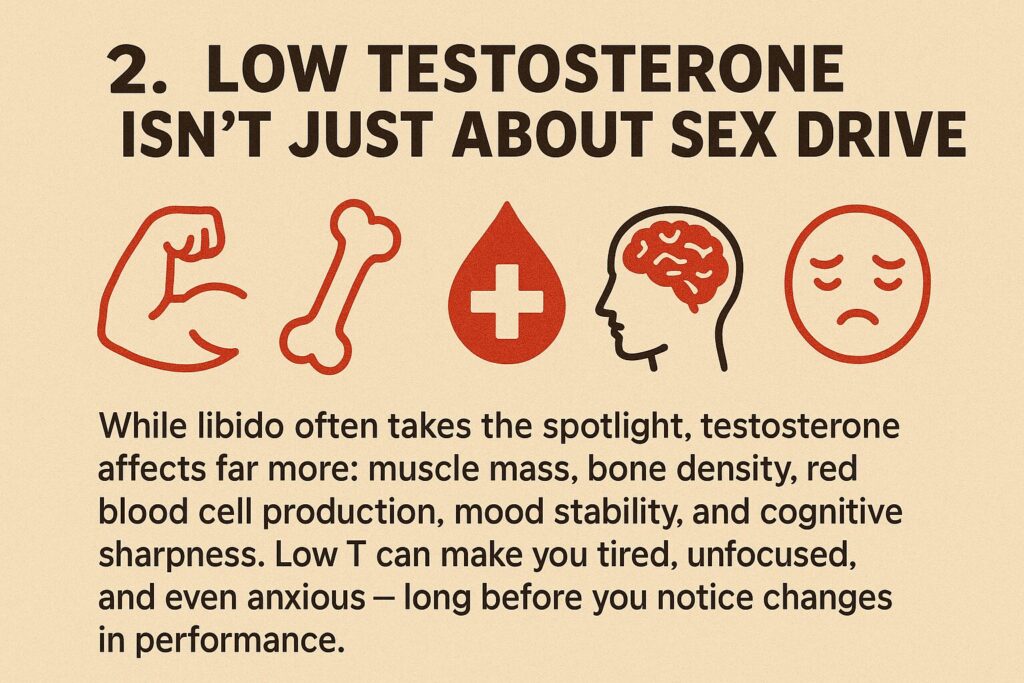
While libido often takes the spotlight, testosterone affects far more: muscle mass, bone density, red blood cell production, mood stability, and cognitive sharpness. Low T can make you tired, unfocused, and even anxious — long before you notice changes in performance.
3. Your Lifestyle Can Destroy (or Multiply) Your Testosterone
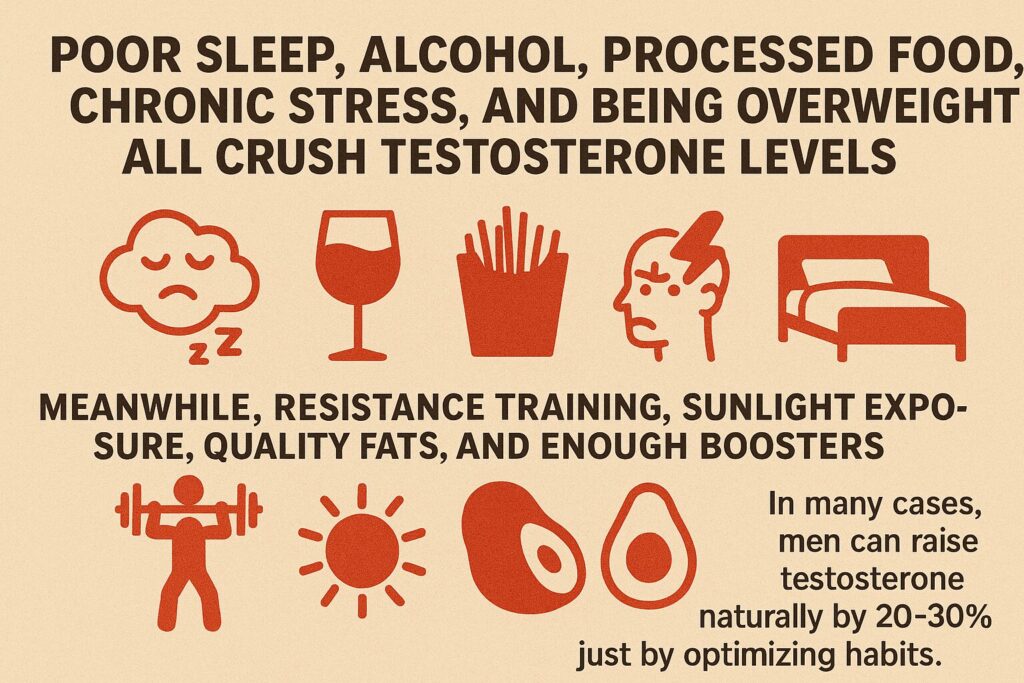
Poor sleep, alcohol, processed food, chronic stress, and being overweight all crush testosterone levels. Meanwhile, resistance training, sunlight exposure, quality fats, and enough sleep are natural boosters. In many cases, men can raise testosterone naturally by 20–30% just by optimizing habits.
4. Lifting Heavy Is Still the King
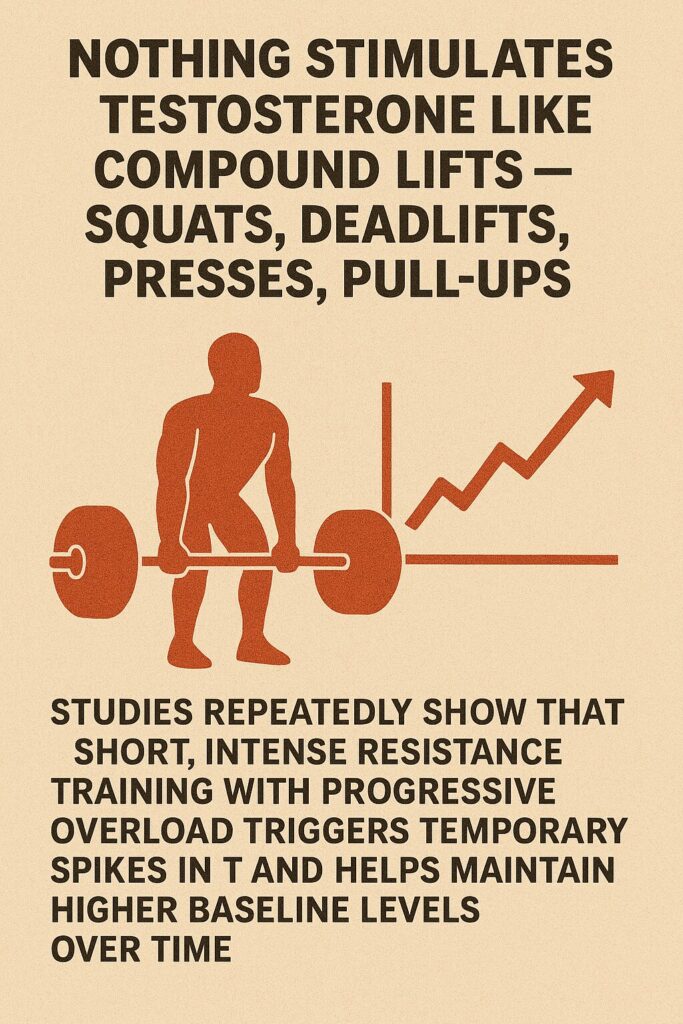
Nothing stimulates testosterone like compound lifts — squats, deadlifts, presses, pull-ups. Studies repeatedly show that short, intense resistance training with progressive overload triggers temporary spikes in T and helps maintain higher baseline levels over time.
5. Fat Is Not the Enemy — It’s the Source
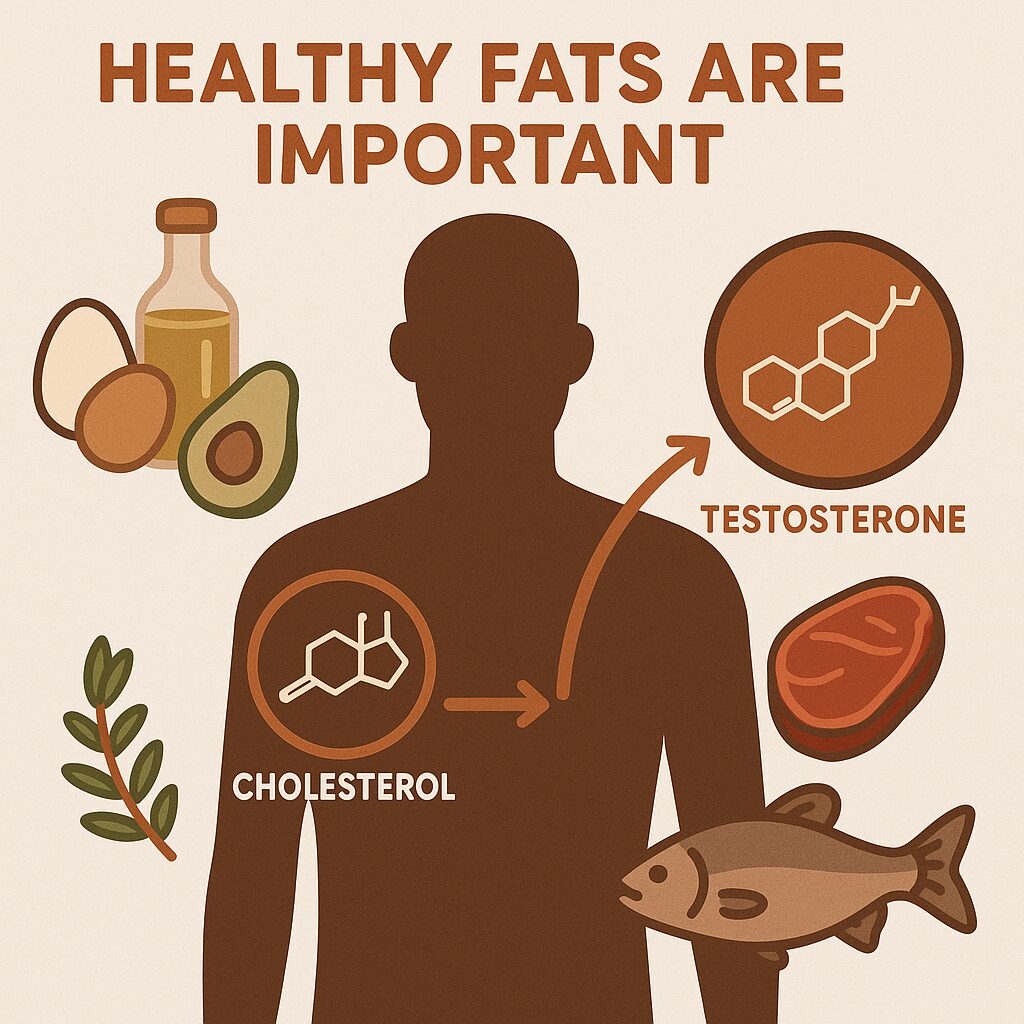
Testosterone is synthesized from cholesterol. That means if your diet is extremely low in fat or cholesterol, your hormonal production may suffer.
Healthy sources like eggs, olive oil, avocados, red meat, and fish provide the raw material your body needs to make hormones efficiently.
6. Sleep Is Your Natural Testosterone Factory
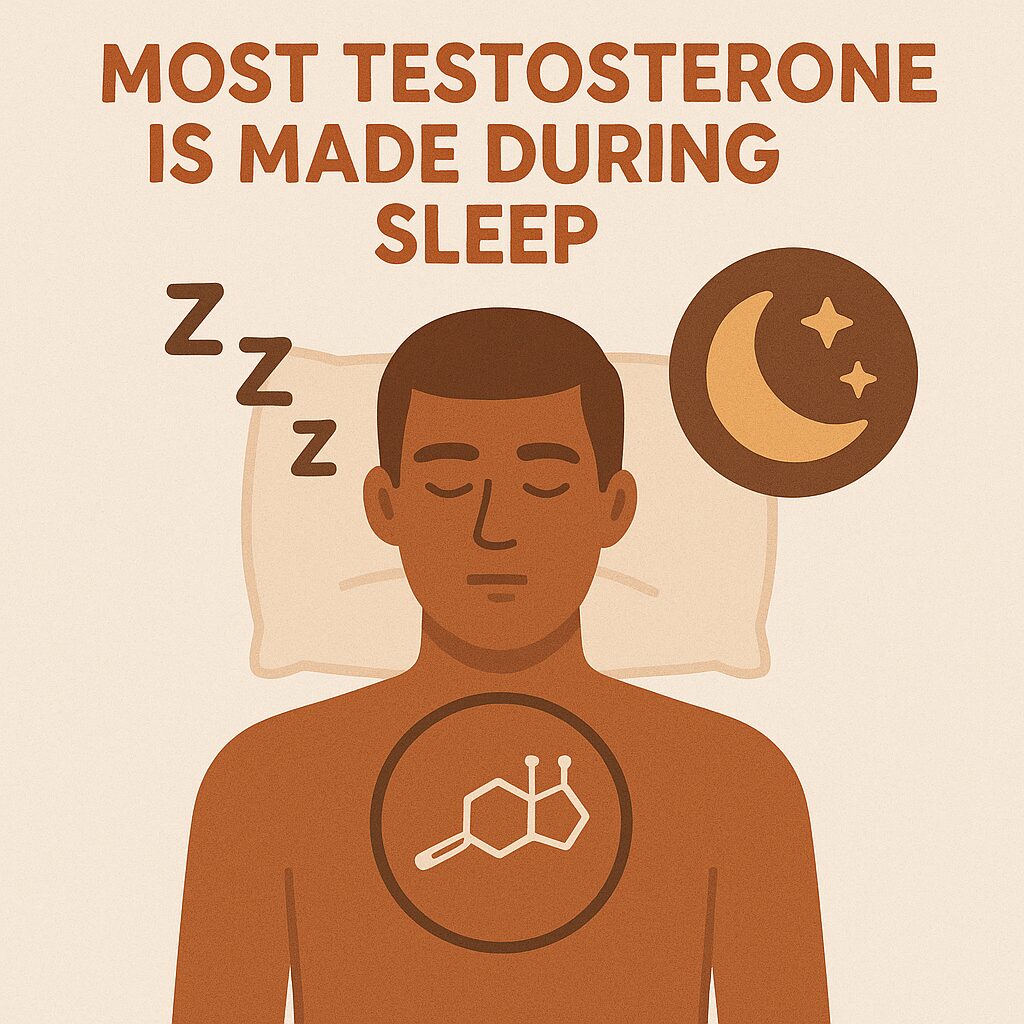
More than 70% of daily testosterone is produced during deep sleep. Just one week of sleeping 5 hours per night can reduce testosterone by up to 15%. If you train hard but don’t rest, you’re basically flooring the gas pedal with no fuel in the tank.
7. Chronic Stress Converts Testosterone Into Cortisol
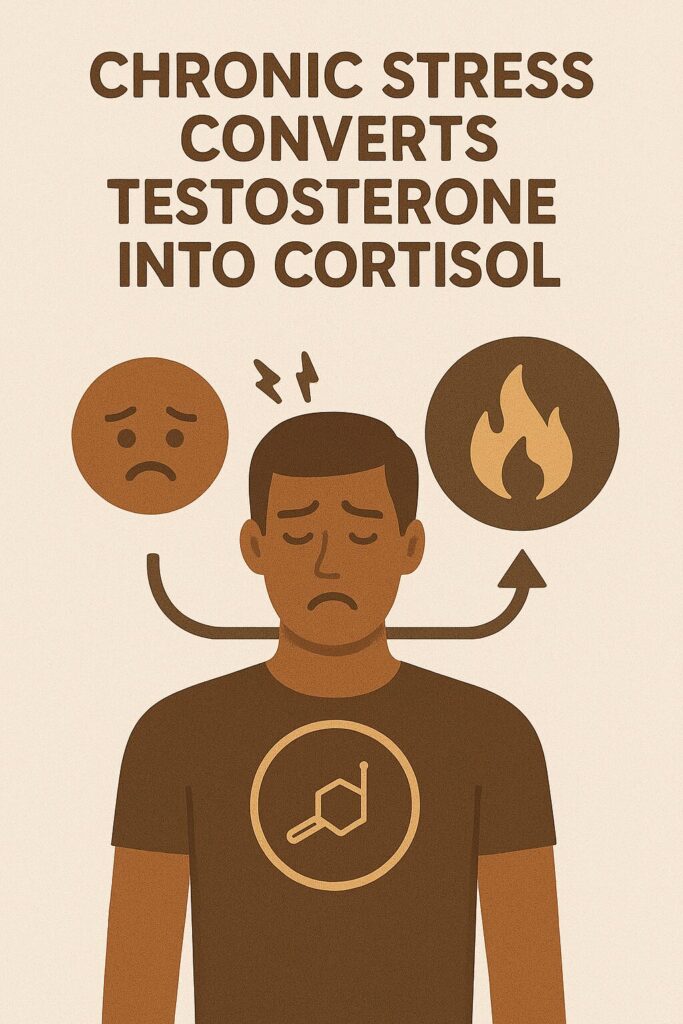
When your body is under constant stress, it prioritizes survival hormones — cortisol over testosterone. That’s why chronic anxiety, overwork, or emotional stress can ruin your gains and libido.
Meditation, breathing techniques, and even a short walk in nature lower cortisol and help restore hormonal balance.
8. High Body Fat Means Low Testosterone
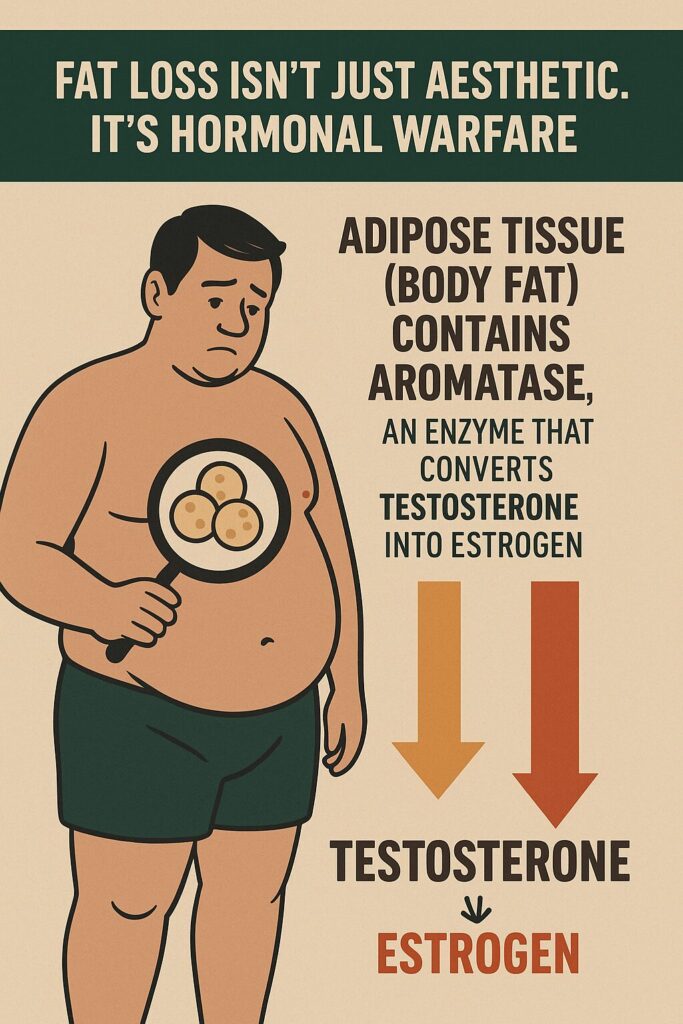
Adipose tissue (body fat) contains aromatase, an enzyme that converts testosterone into estrogen.
So, the more fat you carry, the more estrogen you produce — leading to lower testosterone, more fat storage, and a vicious cycle.
Fat loss isn’t just aesthetic. It’s hormonal warfare.
9. Supplementation Isn’t Magic — But It Can Help
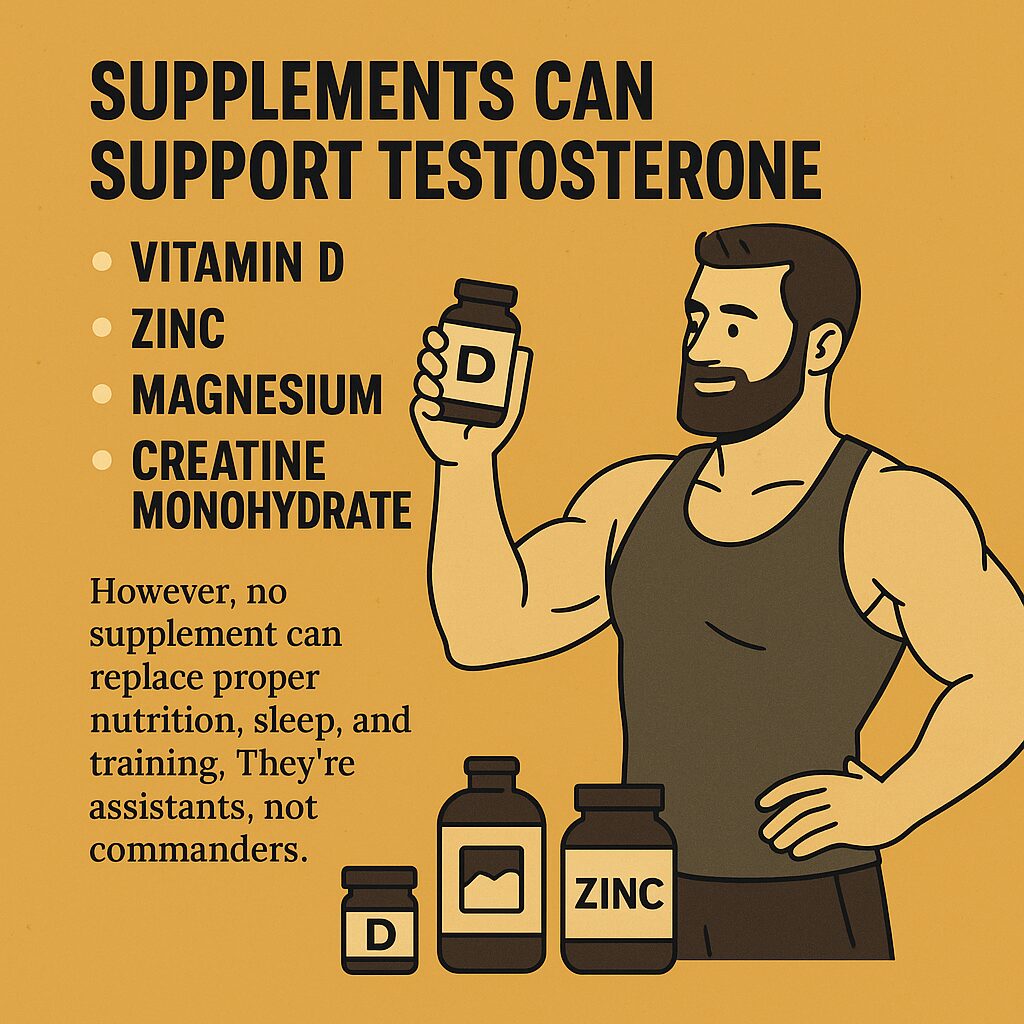
Some supplements are proven to support testosterone production or balance. The most consistent evidence exists for vitamin D, zinc, magnesium, and creatine monohydrate.
However, no supplement can replace proper nutrition, sleep, and training. They’re assistants, not commanders.
10. Testosterone Replacement Therapy (TRT) Isn’t Just for Old Men
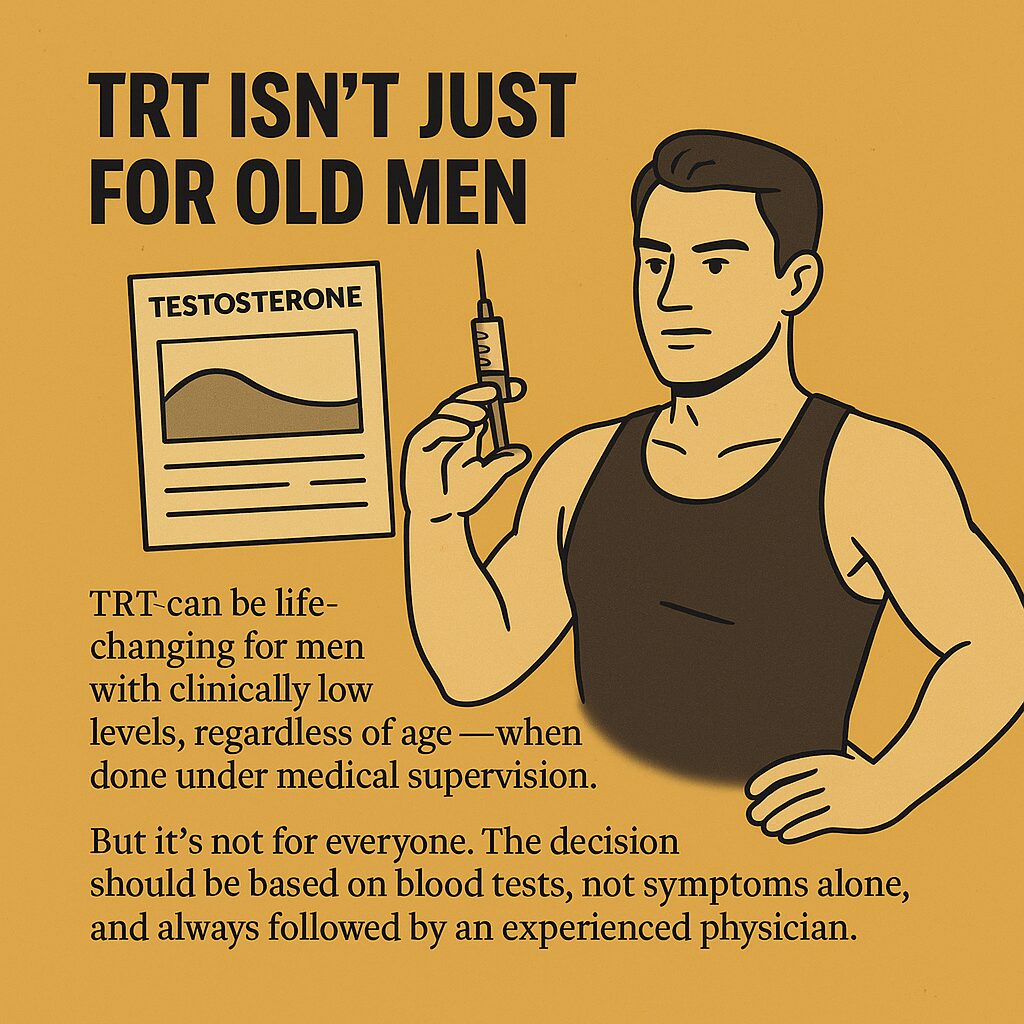
TRT can be life-changing for men with clinically low levels, regardless of age — when done under medical supervision. It can restore energy, focus, libido, and muscle mass.
But it’s not for everyone. The decision should be based on blood tests, not symptoms alone, and always followed by an experienced physician.
Final Thought: You Don’t Have to Accept Decline
Modern men are facing a hormonal crisis — sitting too much, sleeping too little, eating garbage, and living under constant stress.
But the good news is simple: you can reclaim your natural testosterone.
Train hard. Eat real food. Sleep deeply. Avoid toxins. And if necessary, seek medical support.
Your hormones are not your fate — they’re your reflection.
About the Author

Forge Your Mind. Build Your Biology.
Join the Forge Biology newsletter — where science meets strength.
Every week, you’ll get:
-
Evidence-based insights on training, performance, and recovery
-
Real analyses of supplements that work (and the ones that don’t)
-
Deep dives into hormones, nutrition, and human optimization
No fluff. No marketing hype. Just data-driven knowledge to build a stronger body — and a sharper mind.
Subscribe now and start mastering your biology.