
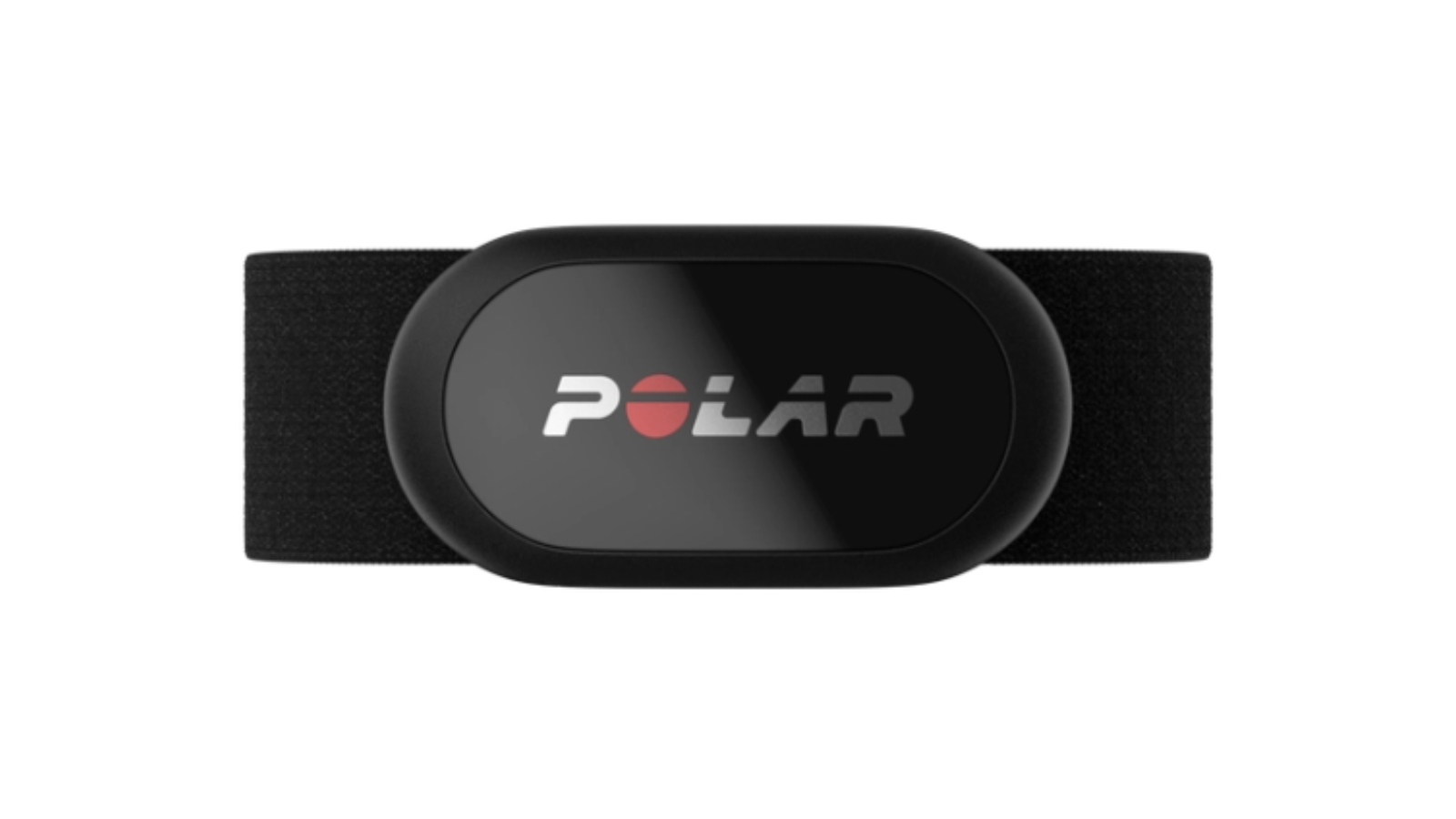
I’ve tested dozens of wearables, smartwatches, and chest straps over the years — and yet, every time I lace up my running shoes, I reach for the Polar H10. It’s been with me through sprints, long runs, and strength sessions, faithfully tracking every heartbeat with accuracy I can trust. Simply put: the H10 is my favorite heart rate monitor, hands down.
But what makes it so special? Let’s dive into the full story — from Polar’s pioneering history to the technical precision that keeps this sensor at the top of its game.
🧭 A Brief History of Polar: The Original Heart Rate Pioneers
Polar’s story begins in Finland, in 1977, when Professor Seppo Säynäjäkangas founded Polar Electro. At that time, heart rate monitoring was limited to laboratories and hospitals. Polar changed that forever by inventing the world’s first wireless, wearable heart rate monitor in 1982.
Since then, the brand has become synonymous with scientific accuracy and athletic performance. Elite endurance athletes, sports scientists, and Olympic teams have used Polar technology to train more intelligently. Their focus has always been simple: measure what matters, and do it with uncompromising precision.
The Polar H10, released as the successor to the H7 and H9 models, represents decades of refinement. It’s not just another chest strap — it’s the culmination of nearly half a century of expertise in exercise physiology and signal accuracy.
❤️ What the Polar H10 Does — and Why It Matters
The Polar H10 is designed to measure your heart rate via electrical signals (ECG), rather than the light-based optical method used in wrist wearables. That’s a crucial difference.
When you move, sweat, or train under bright sunlight, optical sensors on watches or armbands can struggle to stay consistent. The H10 doesn’t have that problem. It sits securely on your chest, reading your heart’s actual electrical activity with medical-grade precision.
That means your training zones, VO₂max estimates, and caloric burn are all more accurate. Whether you’re a runner, cyclist, CrossFit athlete, or swimmer, the data you get from the H10 can make your training more efficient and your recovery smarter.
In short: if you’re serious about performance, this is the kind of accuracy that changes everything.
⚙️ How It Works: Technology Behind the Accuracy
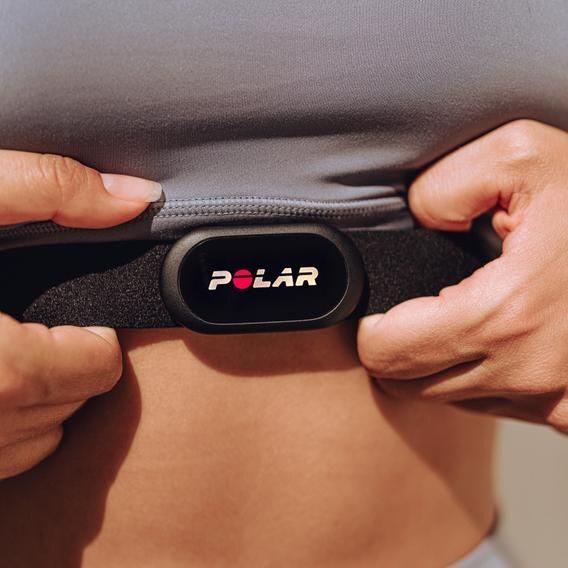
Under the sleek black sensor lies a combination of ECG electrodes, Bluetooth Low Energy, and ANT+ connectivity. These allow the H10 to transmit real-time heart rate data to virtually any compatible device.
Here’s what makes it stand out technically:
- ECG-grade signal detection: Measures electrical impulses of the heart, not optical pulse waves.
- Dual Bluetooth + ANT+ transmission: Connects to multiple devices simultaneously — for example, your smartwatch and gym equipment.
- Internal memory: Can store one full training session independently, so you can leave your phone behind and sync later through Polar Beat or Polar Flow.
- Waterproof to 30 meters (100 ft): Works during swims or triathlon sessions.
- 400+ hours of battery life: Powered by a replaceable CR2025 coin cell — no recharging hassles.
- Polar Pro Strap: Soft textile strap with non-slip silicone dots to prevent movement during sweat-heavy workouts.
These details may sound small, but together they deliver a monitoring experience that feels invisible — you forget it’s even there, until you look back at the data.
📱 Apps and Compatibility
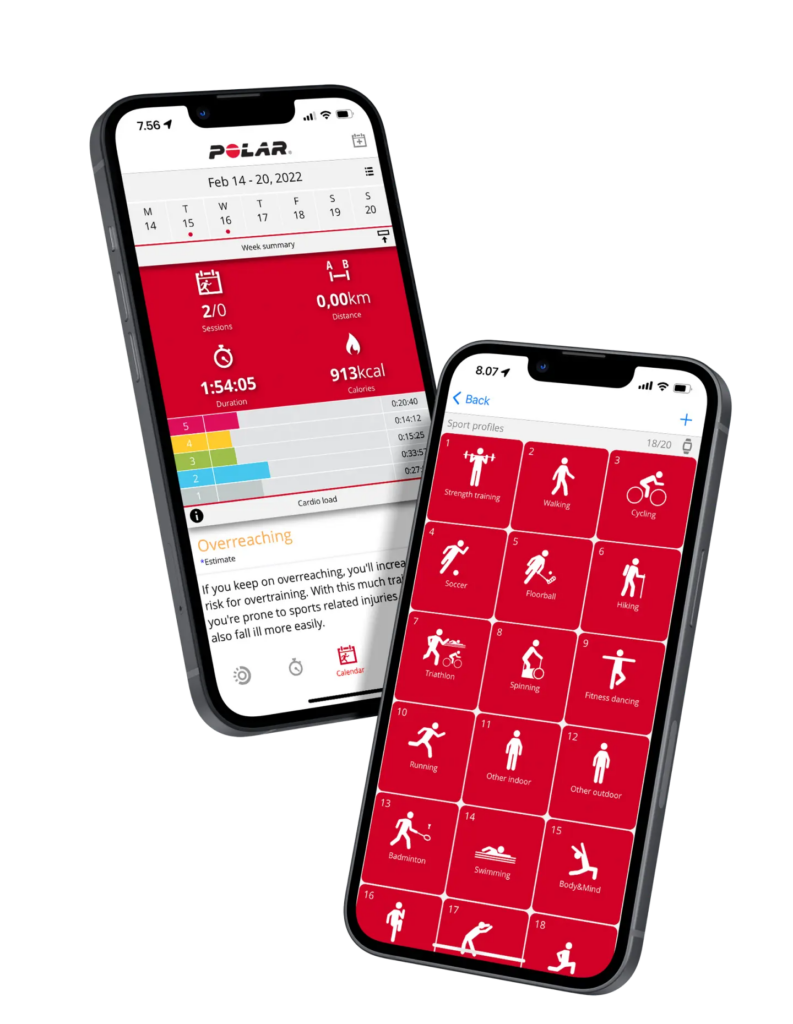
Polar’s own ecosystem is one of its strongest points. You can pair the H10 with the Polar Flow or Polar Beat app to track workouts, analyze trends, and even receive firmware updates.
But Polar also plays well with others. Thanks to open connectivity, it works flawlessly with:
- Strava
- Nike Run Club
- Zwift (for indoor cycling)
- Peloton
- Garmin, Suunto, and Wahoo devices
- Apple Health and Google Fit
That level of flexibility is rare — many chest straps are locked into one brand’s ecosystem. The H10 stands out because it doesn’t care what platform you use; it just works.
🧠 Training Insights and Use Cases
With the Polar H10, you can train smarter in multiple ways:
- Heart Rate Zone Training: Easily monitor aerobic vs anaerobic effort.
- HIIT and CrossFit: Rapid updates in data capture mean accurate readings even during short bursts and recovery.
- Running and Cycling: Perfect for endurance athletes who need steady and responsive readings.
- Swimming: Waterproof design ensures clean tracking, even underwater.
- Recovery and HRV Analysis: When paired with compatible apps, it provides Heart Rate Variability (HRV) data for monitoring recovery and stress.
For me, this versatility is the key reason I never run without it. Whether I’m doing tempo runs, hill sprints, or long-distance sessions, I know my data is clean — not distorted by motion or light conditions.
💰 Price in the United States
In the U.S., the Polar H10 typically retails for $89.95 USD, with some online deals dipping slightly below that mark. You can find it on Polar.com, Amazon, Best Buy, or REI.
Given its build quality and lifespan (I’ve been using mine for years with no issues), the price is more than fair. You can find cheaper heart rate straps, but none that combine ECG accuracy, robust connectivity, and lasting comfort the way the H10 does.
🧩 Additional Information and Pro Tips
- Battery Replacement: Takes a standard CR2025 battery — easily found in most stores.
- Maintenance: Rinse the strap with water after every use and detach the sensor to let it dry completely.
- Firmware Updates: Update via the Polar Beat app to keep your device performing optimally.
- Fit Tip: Adjust the strap tight enough to stay stable but not restrict breathing — chest contact is key for accurate readings.
- Used in Research: The H10’s precision makes it popular in academic and clinical studies, particularly for cardiovascular performance testing.
🏁 Final Verdict: The Best Just Keeps Getting Better
After thousands of miles, sweat sessions, and even rain-soaked runs, my Polar H10 keeps performing flawlessly. It’s one of those rare devices that gets out of the way and just works.
It doesn’t have flashy screens or smart notifications — and that’s exactly why it excels. The H10 focuses on one thing — heart rate accuracy — and does it better than anything else on the market.
If you’re a runner, cyclist, or strength athlete who wants data you can trust, this is the chest strap to buy. Polar’s decades of experience in exercise physiology shine through in every heartbeat it tracks.
For me, it’s simple: no run feels complete without it strapped on.
🔖 Quick Specs Summary
| Feature | Polar H10 |
|---|---|
| Technology | ECG-based chest strap |
| Connectivity | Bluetooth Low Energy, ANT+, 5 kHz GymLink |
| Battery Life | ~400 hours (CR2025 replaceable) |
| Water Resistance | 30m / 100ft |
| Memory | 1 training session onboard |
| Compatibility | iOS, Android, most watches & fitness apps |
| Price (US) | ~$89.95 USD |
About the Author

Forge Your Mind. Build Your Biology.
Join the Forge Biology newsletter — where science meets strength.
Every week, you’ll get:
-
Evidence-based insights on training, performance, and recovery
-
Real analyses of supplements that work (and the ones that don’t)
-
Deep dives into hormones, nutrition, and human optimization
No fluff. No marketing hype. Just data-driven knowledge to build a stronger body — and a sharper mind.
Subscribe now and start mastering your biology.