
1. The Return of Fat: From Villain to Vital Fuel
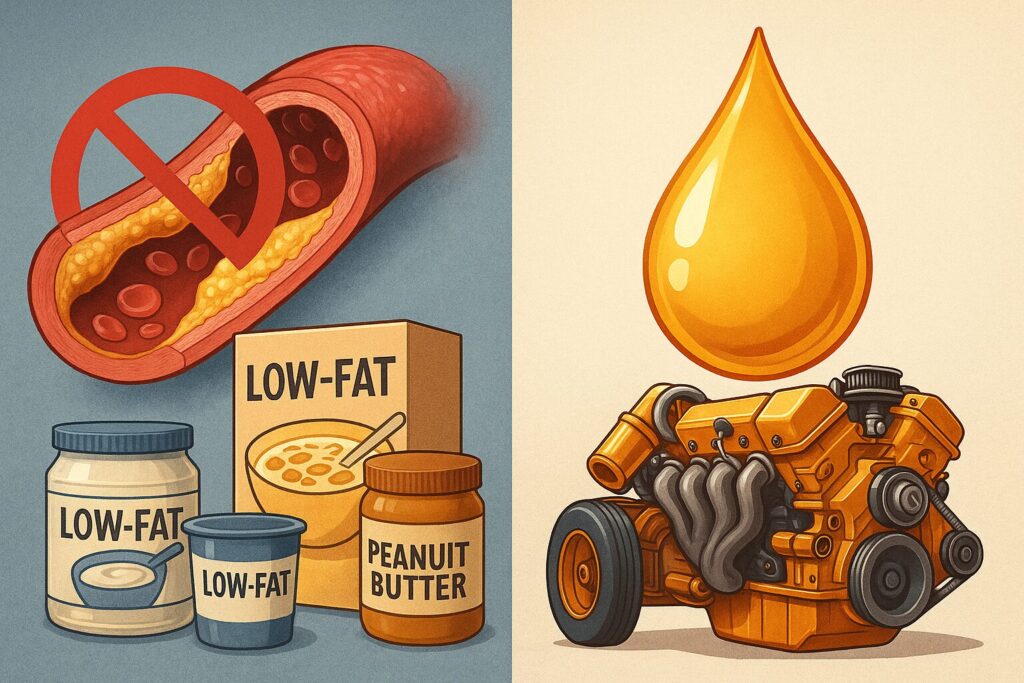
For decades, fat was demonized. Nutrition guidelines told us it clogged arteries, slowed us down, and made us fat. Food industries rushed to market “low-fat” everything — cereals, yogurts, even peanut butter. The result? People became hungrier, weaker, and sicker. The truth is that fat was never the problem. The problem was misunderstanding it.
Fat is the body’s most concentrated energy source, delivering more than twice the calories per gram as carbohydrates or protein. But that doesn’t mean it’s a villain. In the same way a high-performance engine needs high-quality fuel, your body needs the right fats to function at its best. They regulate hormones, build cell membranes, and support everything from focus to recovery. In other words: fat isn’t what slows you down — it’s what keeps you going.
Today, the science is clear. Athletes, trainers, and physicians now recognize fat as one of the most powerful and misunderstood nutrients. It’s not a matter of eating less fat — it’s about eating it intelligently.
2. The Science of Fat: What It Is and What It Does
Biochemically, fats — or lipids — are chains of carbon, hydrogen, and oxygen atoms. They don’t dissolve in water, which makes them perfect for forming the walls of every cell in your body. Most of the fat you eat exists as triglycerides, built from one glycerol backbone and three fatty acids. Those fatty acids determine how the fat behaves inside you — whether it fuels energy, builds hormones, or inflames your tissues.
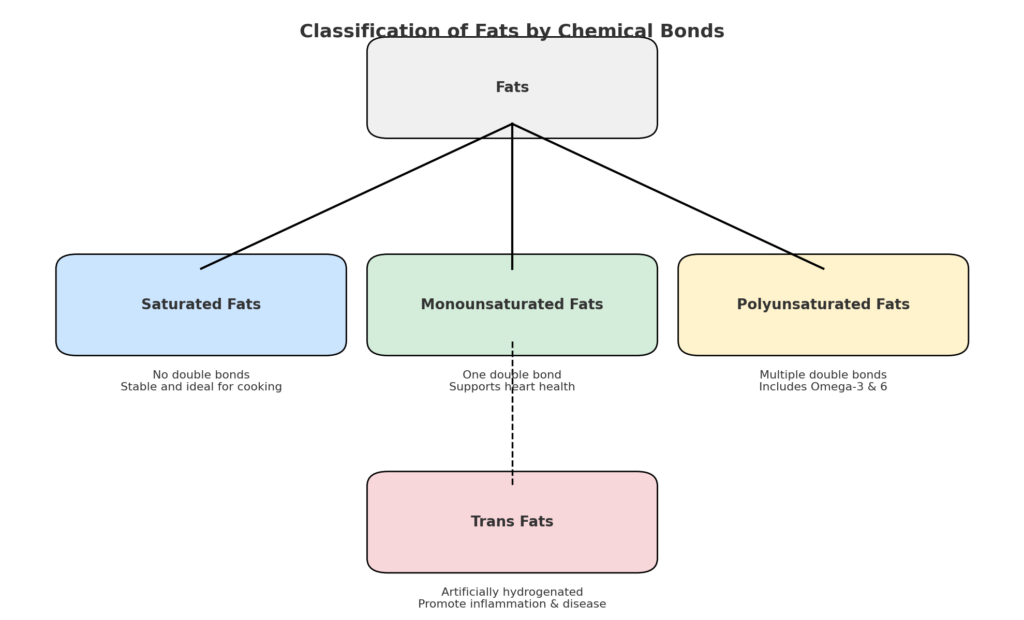
Fats are classified based on their chemical bonds:
- Saturated fats have no double bonds, making them stable and ideal for cooking.
- Monounsaturated fats have one double bond, contributing to heart and metabolic health.
- Polyunsaturated fats, like omega-3 and omega-6, influence inflammation and brain function.
- Trans fats, the industrial kind, distort cellular structures and promote disease.
Every single cell membrane in your body is built from these fatty acids. The flexibility of that membrane — and therefore your health — depends on the types of fat you consume. A diet rich in omega-3s creates strong, responsive cells. One dominated by trans fats makes them rigid and dysfunctional. You are, quite literally, built from your dietary choices.
Fat also acts as the foundation for hormones. Cholesterol, a type of fat often demonized, is actually a precursor for testosterone, estrogen, progesterone, and cortisol. Without it, your body cannot produce the hormones that regulate energy, mood, and growth. Fat isn’t a passive nutrient — it’s a biochemical signal that tells your body how to perform.
3. Fats and Performance: Energy, Hormones, and Recovery
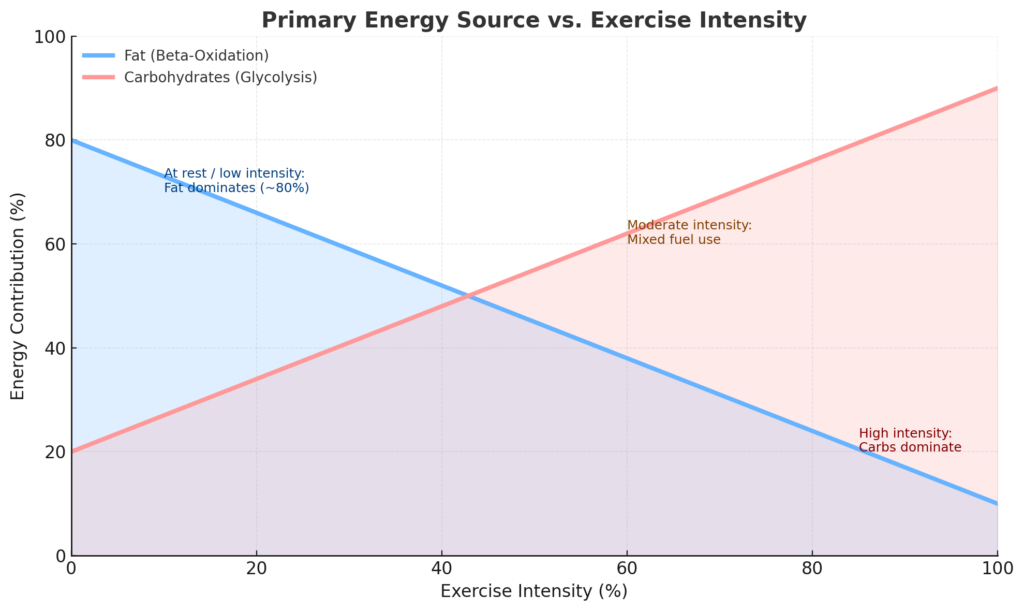
Fat is the unsung hero of endurance and recovery. While carbohydrates are burned quickly, fats are metabolized slowly through beta-oxidation, providing a steady flow of energy. During rest or low-intensity exercise, up to 80% of your energy can come from fat. This spares glycogen for when intensity spikes — a concept called metabolic flexibility. Athletes who train their bodies to burn fat efficiently experience fewer energy crashes and greater endurance.
Beyond energy, fat regulates hormones that drive strength, motivation, and resilience. Testosterone, the engine of muscle building and confidence, depends directly on fat intake. Low-fat diets consistently correlate with lower testosterone levels in men and irregular cycles in women. Healthy fats, on the other hand, stabilize hormone production, reducing fatigue and improving mood and focus.
Recovery is another arena where fat dominates quietly. Omega-3 fatty acids (EPA and DHA) reduce post-exercise inflammation, speed up muscle repair, and protect joint health. Meanwhile, monounsaturated fats like those found in olive oil enhance nutrient absorption and cardiovascular recovery. Even sleep quality improves with balanced fat intake — low-fat diets elevate cortisol and disrupt melatonin, while omega-3s promote deeper, restorative rest. Fat, in short, powers every stage of performance: the effort, the recovery, and the adaptation.
4. Good vs. Bad Fats: Understanding Quality and Balance
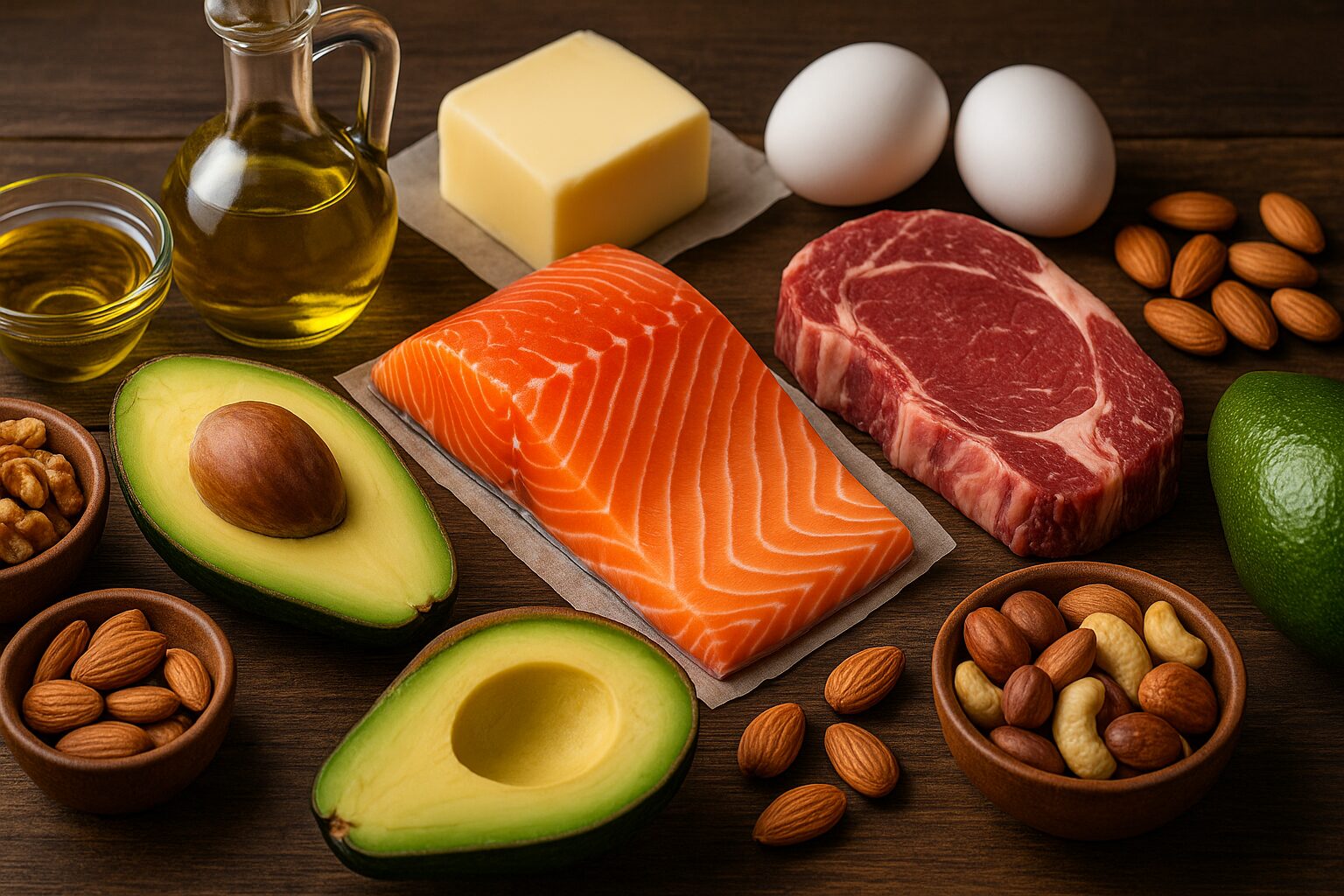
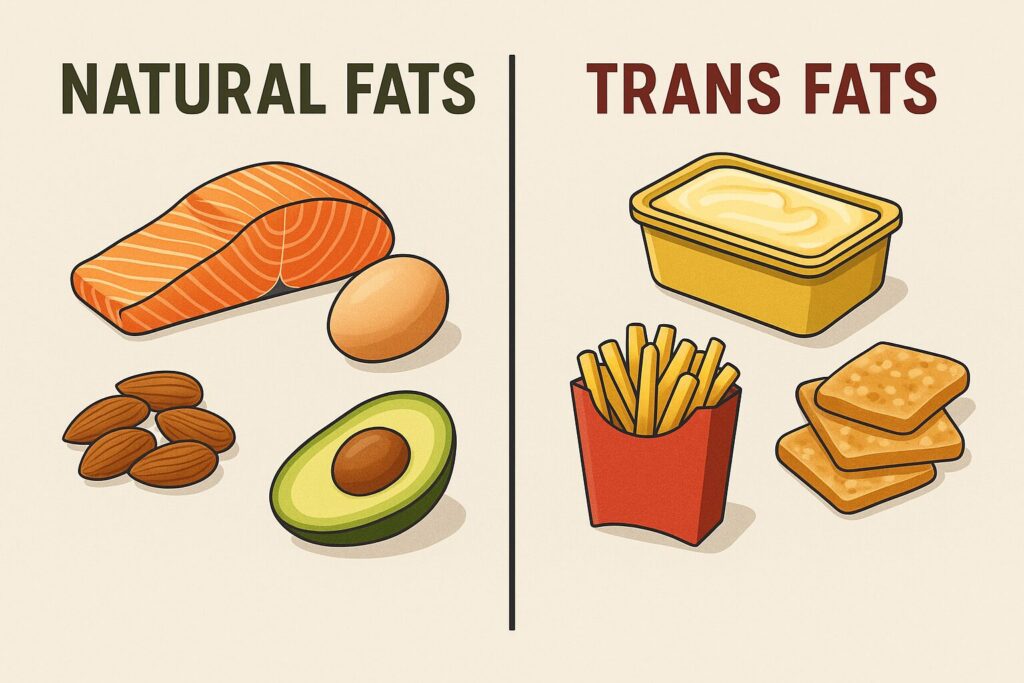
The quality of fat you eat defines its effect on your body. Not all fats behave the same. Natural fats from whole foods — like salmon, eggs, nuts, and avocados — promote vitality. Artificially processed fats — like margarine, fried oils, and hydrogenated snacks — undermine it.
Saturated fats, found in butter, meat, and coconut oil, are stable and protective when eaten in moderation. They support testosterone and cell integrity. Monounsaturated fats, like those in olive oil and avocados, improve heart function and reduce inflammation. Polyunsaturated fats play specialized roles: omega-3s (from fish and flax) are anti-inflammatory, while omega-6s (from seed oils) can be pro-inflammatory if consumed excessively.
The problem today is imbalance. The modern Western diet contains an omega-6 to omega-3 ratio of roughly 15:1, while humans evolved on about 4:1. This skewed ratio feeds chronic inflammation, slower recovery, and higher fatigue. Restoring balance — reducing seed oils and increasing omega-3 sources — resets this internal chemistry toward health and longevity.
Trans fats, however, have no safe dose. Created by industrial hydrogenation, they disrupt hormones, damage arteries, and inflame joints. Even trace amounts increase cardiovascular risk. Eliminating them completely is non-negotiable for anyone pursuing performance or long-term health.
5. The Athlete’s Perspective: How Fat Shapes Strength, Endurance, and Focus
Athletes who embrace fat rather than fear it unlock a new level of performance. For strength athletes, dietary fat supports anabolic hormones and joint lubrication. For endurance athletes, it provides a steady, sustainable energy reserve that delays fatigue.
A lean athlete still stores tens of thousands of calories as body fat — a near-endless energy source when used efficiently. Training your metabolism to use fat (often through fat adaptation) allows you to rely less on constant carb refueling. This adaptation enhances endurance, focus, and body composition, making the athlete more resilient.
Fat also sharpens the mind. The brain is nearly 60% fat, and its cells thrive on omega-3s, which enhance reaction time, memory, and emotional control. Athletes operating under pressure — soldiers, fighters, CrossFitters — benefit immensely from stable lipid intake. Fat is the nutrient of clarity, patience, and precision.
Practical fat timing matters too. Before a workout, keep fat low for faster digestion. After training, include moderate fats to stabilize blood sugar and promote satiety. On rest days, higher fat intake aids hormonal recovery and vitamin absorption. Nutrition isn’t just calories — it’s strategy.
Whole-food fat sources like salmon, eggs, olive oil, and nuts outperform supplements and industrial oils. They bring synergistic nutrients — vitamin D, choline, CoQ10 — that amplify performance. When you eat the foods evolution designed, your biology performs as intended.
6. Beyond the Gym: Fats, Health, and Longevity
Fats don’t just fuel performance — they preserve health. They regulate inflammation, nourish the brain, protect joints, and maintain glowing skin. Vitamin A strengthens vision, vitamin D fortifies bones, vitamin E shields cells, and vitamin K supports blood health — all of these require fat for absorption. Low-fat diets often lead to deficiencies even in well-fed athletes.
Fat also supports immunity. Omega-3s fine-tune immune responses, ensuring the body fights infections without overreacting. Monounsaturated fats stabilize white blood cell activity, while cholesterol strengthens immune cell membranes. When fat intake drops too low, athletes become more susceptible to illness, fatigue, and poor recovery — a condition often mistaken for “overtraining.”
With age, fats become even more important. They counter cognitive decline, preserve muscle tissue, and keep hormone levels steady. Diets rich in natural fats are consistently linked to lower risks of frailty, depression, and metabolic disease. Meanwhile, extreme low-fat diets accelerate aging by increasing oxidative stress and reducing mitochondrial function.
From a practical standpoint, fats even affect skin and sleep — two pillars of youth. Omega-3s hydrate skin from within, keeping it elastic and resilient. Balanced fats improve sleep cycles and mental calm, ensuring every night contributes to recovery. Fat is not indulgence; it’s maintenance for the human machine.
7. The Takeaway: Why Fat Is the Forgotten Hero of Nutrition
Fat has been misunderstood for too long. It’s not a threat to your health — it’s the foundation of it. It fuels your endurance, builds your hormones, and keeps your brain sharp. It is what your body was designed to run on.
The key is balance. Eliminate industrial fats, embrace natural sources, and respect the ratio between omega-3s and omega-6s. Eat eggs without fear. Use olive oil freely. Enjoy fish, nuts, and avocado as daily staples.
In the hierarchy of performance nutrition, fat sits quietly beneath the noise of carbs and protein, doing the heavy lifting no one sees. It’s the hidden gear that keeps everything running — from your heartbeat to your hormones to your focus under pressure.
Eat it. Respect it. And never forget — fat doesn’t slow you down. It keeps you alive.
10 Myths and Facts About Fat Consumption
1. Myth: Eating fat makes you fat.
Truth: Dietary fat doesn’t automatically become body fat. Weight gain occurs when total calorie intake exceeds expenditure — regardless of the source. In fact, healthy fats improve satiety, regulate appetite hormones like leptin and ghrelin, and make fat loss easier to sustain.
2. Myth: Saturated fat is always bad for your heart.
Truth: Modern research shows that moderate saturated fat intake — especially from natural sources like eggs, dairy, and red meat — doesn’t increase heart disease risk in healthy individuals. The real culprits are trans fats and refined carbohydrates.
3. Myth: You should avoid cholesterol in food.
Truth: Dietary cholesterol has minimal impact on blood cholesterol for most people. Your liver adjusts its own production based on intake. Cholesterol is vital for hormone synthesis, vitamin D production, and brain health.
4. Myth: Low-fat diets are the healthiest option.
Truth: Cutting fats too low can disrupt hormone balance, reduce testosterone, and increase fatigue. Fats are essential for nutrient absorption, recovery, and mental focus. Balance — not elimination — is key.
5. Myth: All vegetable oils are healthy.
Truth: Many refined seed oils (soybean, corn, sunflower) are high in omega-6 fats that promote inflammation when consumed excessively. Cold-pressed oils like olive, avocado, and flaxseed are far healthier options.
6. Myth: Omega-3 supplements are unnecessary if you eat plants.
Truth: Plant-based omega-3s (ALA) convert poorly into EPA and DHA, the forms your body truly needs. Fatty fish like salmon and sardines — or high-quality fish oil — remain the most effective sources.
7. Myth: Fat slows down your metabolism.
Truth: Quite the opposite. Fats have a higher thermic effect than most people realize, and they stabilize energy levels throughout the day. When combined with adequate protein, fats actually support metabolic flexibility.
8. Myth: Trans fats are fine in small amounts.
Truth: There’s no safe amount of trans fats. Even trace levels increase inflammation, arterial stiffness, and cardiovascular risk. Always avoid foods labeled “partially hydrogenated.”
9. Myth: Fats are less important than carbs and protein for athletes.
Truth: Fats fuel endurance, stabilize hormones, and speed recovery. During low-to-moderate intensity exercise, up to 80% of energy can come from fat. Neglecting it limits both performance and adaptation.
10. Myth: All high-fat diets are unhealthy.
Truth: Context matters. Diets rich in whole-food fats — salmon, nuts, avocado, olive oil, eggs — can reduce inflammation and improve metabolic health. The problem isn’t the fat; it’s the type of fat and the quality of the diet around it.
References
- Burke, L. M., & Hawley, J. A. (2018). Swifter, higher, stronger: What’s on the menu? Science, 362(6416), 781–787.
- Calder, P. C. (2015). Functional roles of fatty acids and their effects on human health. Journal of Parenteral and Enteral Nutrition, 39(1_suppl), 18S–32S.
- Mensink, R. P. (2016). Effects of saturated fatty acids on serum lipids and lipoproteins: A systematic review and regression analysis. World Health Organization Report.
- Phinney, S. D., & Volek, J. S. (2011). The Art and Science of Low Carbohydrate Performance. Beyond Obesity LLC.
- Simopoulos, A. P. (2016). An increase in the omega-6/omega-3 fatty acid ratio increases the risk for obesity. Nutrients, 8(3), 128.
- Zajac, A., Poprzecki, S., Maszczyk, A., Czuba, M., Michalczyk, M., & Zydek, G. (2014). The effects of a ketogenic diet on exercise metabolism and physical performance in off-road cyclists. Nutrients, 6(7), 2493–2508.*
About the Author

Forge Your Mind. Build Your Biology.
Join the Forge Biology newsletter — where science meets strength.
Every week, you’ll get:
-
Evidence-based insights on training, performance, and recovery
-
Real analyses of supplements that work (and the ones that don’t)
-
Deep dives into hormones, nutrition, and human optimization
No fluff. No marketing hype. Just data-driven knowledge to build a stronger body — and a sharper mind.
Subscribe now and start mastering your biology.