
Definition
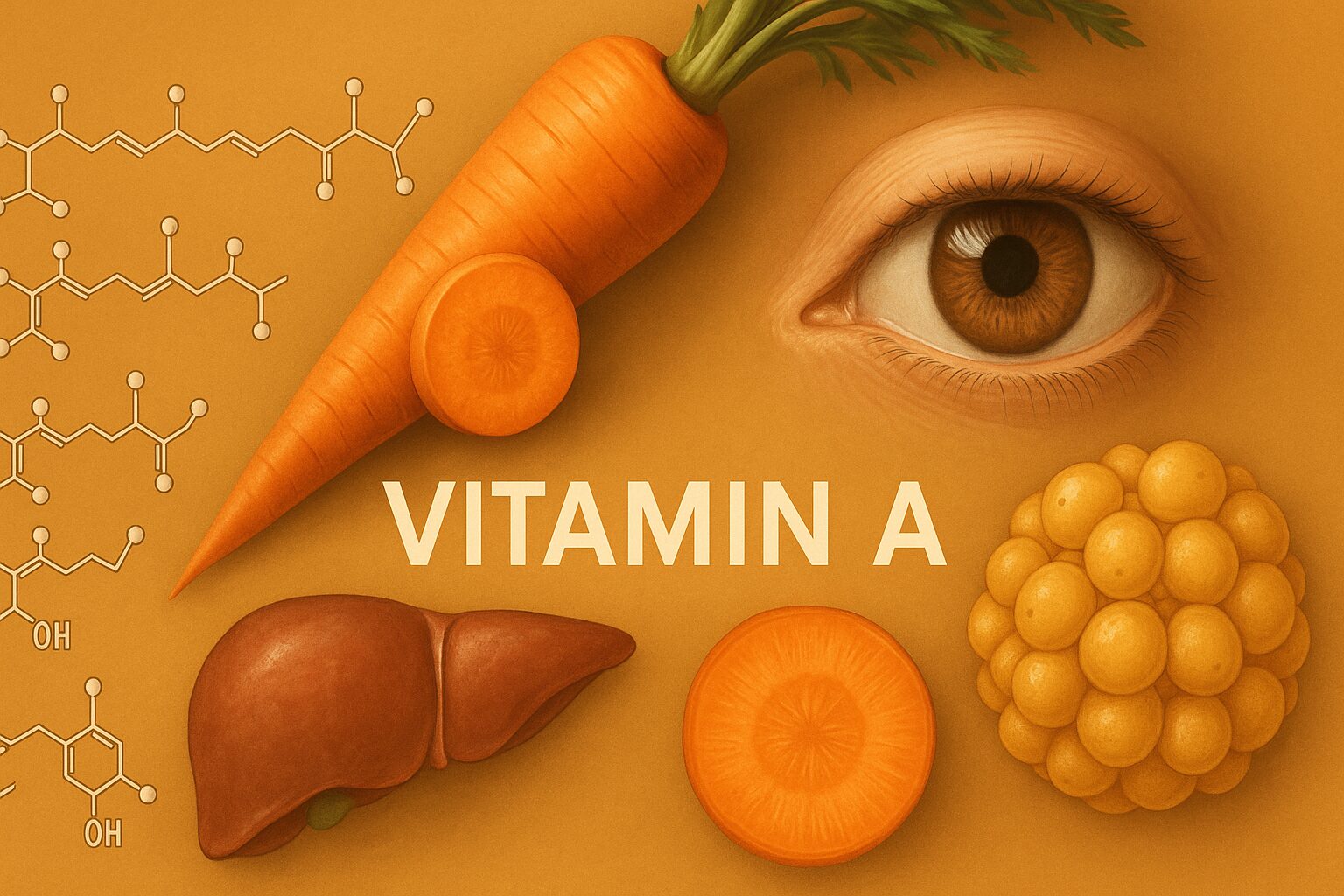
Vitamin A is a fat-soluble micronutrient essential for vision, cellular growth, and immune function. It refers to a group of compounds that include retinol, retinal, and retinoic acid (the active forms in animals), as well as carotenoids like beta-carotene, which are plant-based precursors.
Unlike water-soluble vitamins, Vitamin A is stored in the liver and adipose tissue, meaning that both deficiency and excess can have long-term effects. It acts not just as a vitamin but as a hormone-like regulator of gene expression — influencing cell differentiation, tissue repair, and even embryonic development.
Where It’s Found
Vitamin A comes from two main dietary sources:
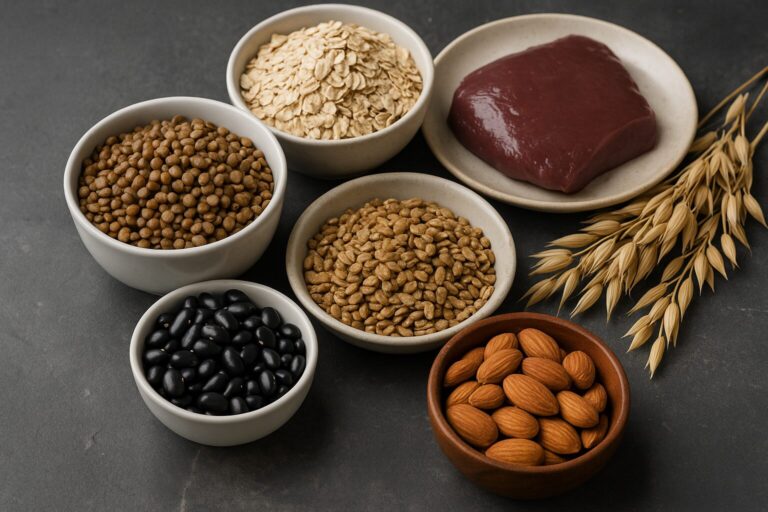
- Preformed Vitamin A (retinol) — found in animal products such as liver, egg yolks, butter, whole milk, and fatty fish.
- Provitamin A carotenoids — found in colorful plant foods like carrots, sweet potatoes, pumpkin, kale, spinach, and apricots.
While animal sources provide ready-to-use Vitamin A, plant sources must be converted by the body into active forms — a process influenced by genetics, gut health, and dietary fat intake. Consuming these foods with healthy fats (like olive oil or avocado) greatly improves absorption.
Function in the Human Body
Vitamin A’s most famous role is in vision. It forms rhodopsin, a pigment in the retina that allows you to see in low light. Deficiency leads to night blindness — one of the earliest and most recognizable symptoms.
But its influence extends far beyond eyesight. Vitamin A strengthens epithelial tissues (skin, lungs, intestines), boosts immune defense, and supports cell regeneration. It’s also a key player in maintaining reproductive health and bone remodeling.
From a performance perspective, Vitamin A indirectly enhances physical conditioning by keeping the immune system strong, promoting recovery, and supporting red blood cell development. Healthy skin and mucous membranes reduce the risk of infections — a subtle but crucial factor in maintaining training consistency.
Moreover, Vitamin A plays a regulatory role in protein synthesis and oxidative metabolism. Athletes deficient in it may experience slower recovery, reduced aerobic capacity, and increased oxidative stress.
Recommended Daily Intake (RDI)
According to the National Institutes of Health (NIH), the recommended daily intake for Vitamin A is:
- Men: 900 µg RAE (Retinol Activity Equivalents) per day
- Women: 700 µg RAE per day
One RAE equals 1 µg of retinol, 12 µg of beta-carotene, or 24 µg of other provitamin A carotenoids. Excessive intake — typically above 3,000 µg RAE daily from supplements — can cause toxicity, as Vitamin A accumulates in body tissues.
For athletes or individuals under caloric restriction, maintaining intake near the upper safe limit (but below toxicity) helps preserve immune and visual health under stress.
How to Reach the RDI Naturally
It’s easier than it sounds to hit your daily Vitamin A target with real food:
- 1 medium carrot (60 g) → ~500 µg RAE
- ½ cup of cooked sweet potato → ~950 µg RAE
- 1 egg yolk → ~75 µg RAE
- 100 g of beef liver → over 6,000 µg RAE (an extremely rich source)
- 1 cup of cooked spinach → ~470 µg RAE
A balanced mix of colorful vegetables and moderate animal sources ensures both immediate and sustained availability. Pairing them with healthy fats — olive oil, nuts, or fish — significantly enhances absorption and utilization.
Final Considerations
Vitamin A is more than a “vision vitamin.” It’s a guardian of cellular health, immunity, and recovery — especially vital for athletes exposed to oxidative stress and frequent training cycles.
Too little impairs adaptation, while too much can become toxic. The key lies in consistency, moderation, and sourcing it from whole foods rather than excessive supplementation.
In the big picture of human performance, Vitamin A bridges the gap between seeing clearly and functioning optimally — both inside and out.
About the Author

Forge Your Mind. Build Your Biology.
Join the Forge Biology newsletter — where science meets strength.
Every week, you’ll get:
-
Evidence-based insights on training, performance, and recovery
-
Real analyses of supplements that work (and the ones that don’t)
-
Deep dives into hormones, nutrition, and human optimization
No fluff. No marketing hype. Just data-driven knowledge to build a stronger body — and a sharper mind.
Subscribe now and start mastering your biology.