

In the world of fitness, few topics generate as much controversy — or as much research — as fasting. Once dismissed as a starvation gimmick, fasting is now recognized as a potent metabolic tool for improving body composition, energy efficiency, and even athletic recovery.
Whether your goal is fat loss, muscle preservation, or metabolic flexibility, understanding how fasting interacts with exercise physiology can unlock a smarter, leaner, and stronger version of you.
What Is Fasting, Really?
Fasting simply means refraining from calorie intake for a defined period of time. It’s not starvation — it’s controlled, purposeful restraint.
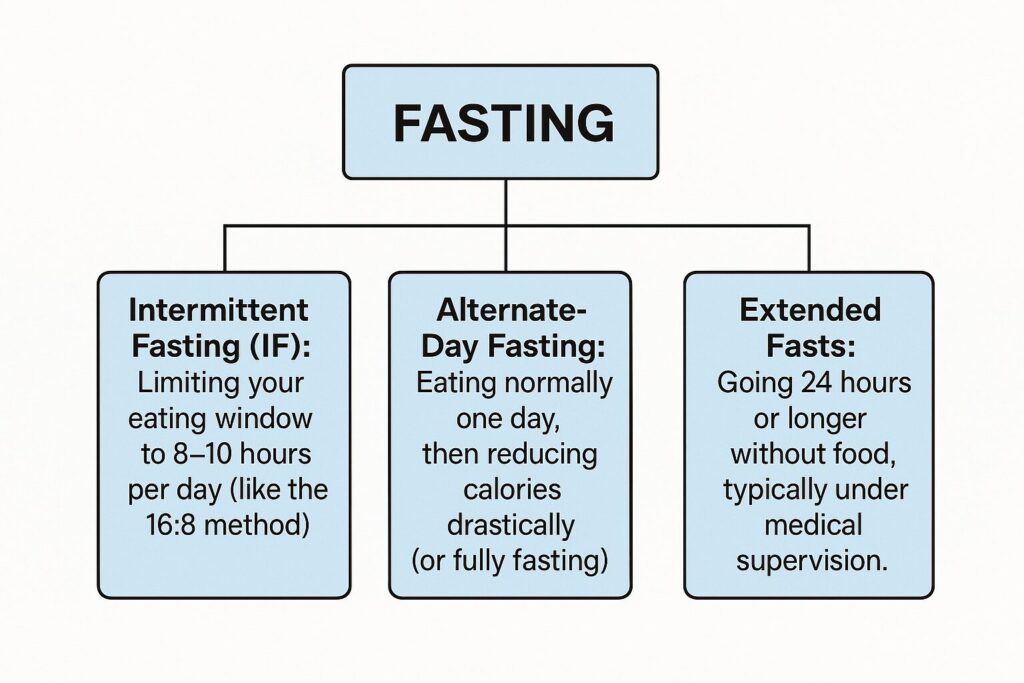
The most popular modern versions include:
- Intermittent Fasting (IF): Limiting your eating window to 8–10 hours per day (like the 16:8 method).
- Alternate-Day Fasting: Eating normally one day, then reducing calories drastically (or fully fasting) the next.
- Extended Fasts: Going 24 hours or longer without food, typically under medical supervision.
For fitness enthusiasts, the goal isn’t punishment — it’s metabolic adaptation. Fasting trains your body to use stored fuel more efficiently and recover more effectively.
The Science of the Fasted State
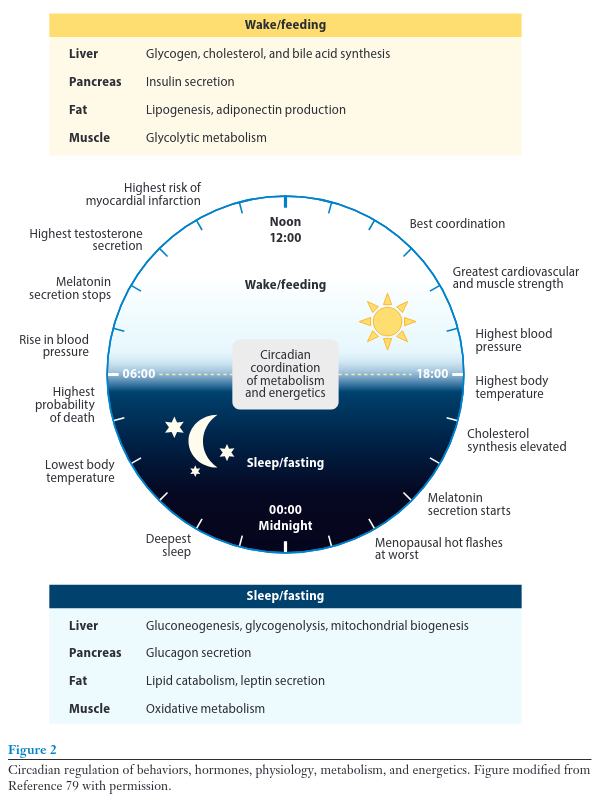
When you fast, your body undergoes a measurable biochemical transformation:
- Insulin drops, which allows fat cells to release stored triglycerides for energy.
- Human Growth Hormone (HGH) increases, promoting muscle preservation and recovery.
- Autophagy activates — a cellular “self-cleaning” process that clears damaged components.
- Mitochondrial efficiency improves, increasing endurance and reducing fatigue.
- Inflammation decreases, supporting joint health and muscle repair.
These aren’t fringe effects — they’re part of how the human body evolved to perform under cycles of feast and fast.
Fasting for Fat Loss and Metabolic Health
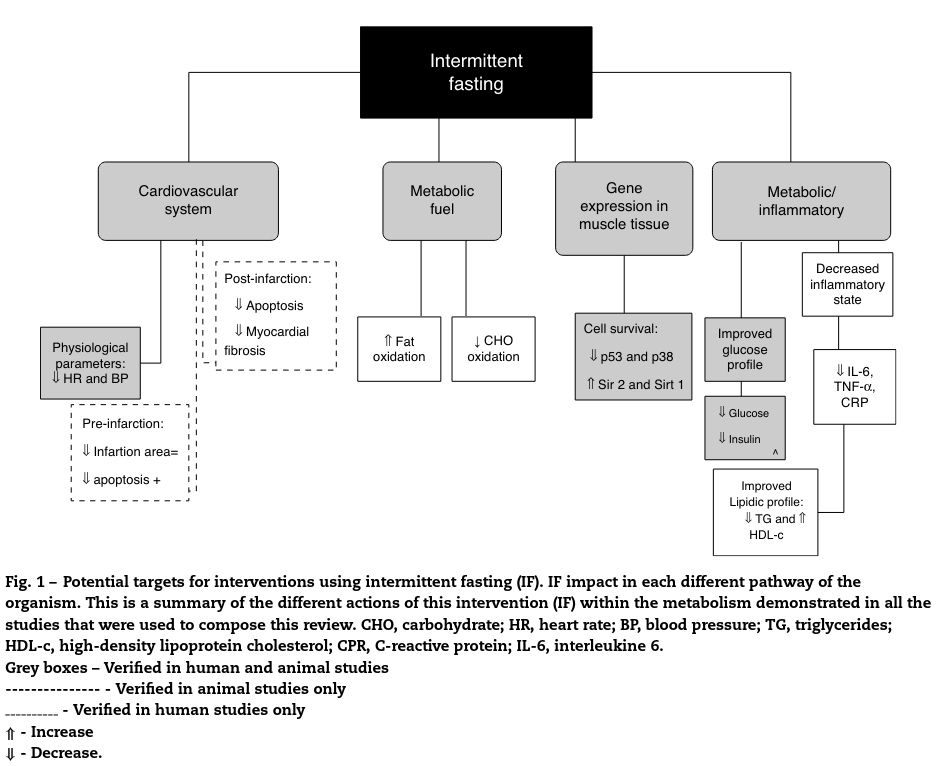
One of the most consistent findings in exercise science: fasting accelerates fat utilization.
Without constant insulin spikes from food, the body shifts from burning glucose to burning stored fat for energy — a process called metabolic switching.
A 2018 review in Obesity by Anton et al. found that intermittent fasting improved insulin sensitivity and reduced total body fat, even when calorie intake was matched with control diets.
In practical terms, this means fasting doesn’t just burn fat — it reprograms your metabolism to stay efficient.
Muscle Maintenance and Growth While Fasting
A major misconception is that fasting automatically leads to muscle loss.
Research says otherwise.
Short-term fasts (under 24 hours) actually preserve lean mass thanks to increased growth hormone secretion and elevated catecholamines (adrenaline and noradrenaline), which maintain muscle metabolism.
Studies from Nutrition Reviews and Journal of Translational Medicine show that when resistance training is combined with intermittent fasting, subjects maintain or even gain lean mass, provided protein intake is adequate during feeding windows.
So yes — you can fast and build muscle, as long as your total nutrition is on point.
Fasting and Exercise Performance
How fasting affects performance depends on timing and intensity.
- Low-intensity exercise (walking, cycling, light cardio): Great during fasted states, since the body prefers fat oxidation.
- High-intensity training or strength workouts: Best performed after breaking the fast with carbs and protein.
- Endurance athletes: Strategic fasted sessions can improve mitochondrial density and fat-adaptation, enhancing long-term performance.
Think of fasting not as a permanent state — but as a training variable you can cycle strategically.
Recovery and Hormonal Balance
Fasting supports recovery by reducing systemic inflammation and boosting growth hormone production.
Some athletes also report better sleep quality and focus, likely due to more stable blood sugar and reduced digestive load in the evening.
However, balance is essential: over-fasting or under-eating can elevate cortisol, impairing recovery and immune function.
Forge Biology recommends a balanced approach — fast strategically, not obsessively.
When to Avoid Fasting
While fasting benefits many, it’s not universal.
Avoid or modify fasting if you:
- Have high training volume with inadequate recovery
- Are underweight or prone to low blood sugar
- Have medical conditions requiring regular food intake
- Experience fatigue, irritability, or sleep disruption while fasting
In those cases, shorter fasting windows or overnight fasts (12–14 hours) may work better.
How to Combine Fasting and Fitness Safely
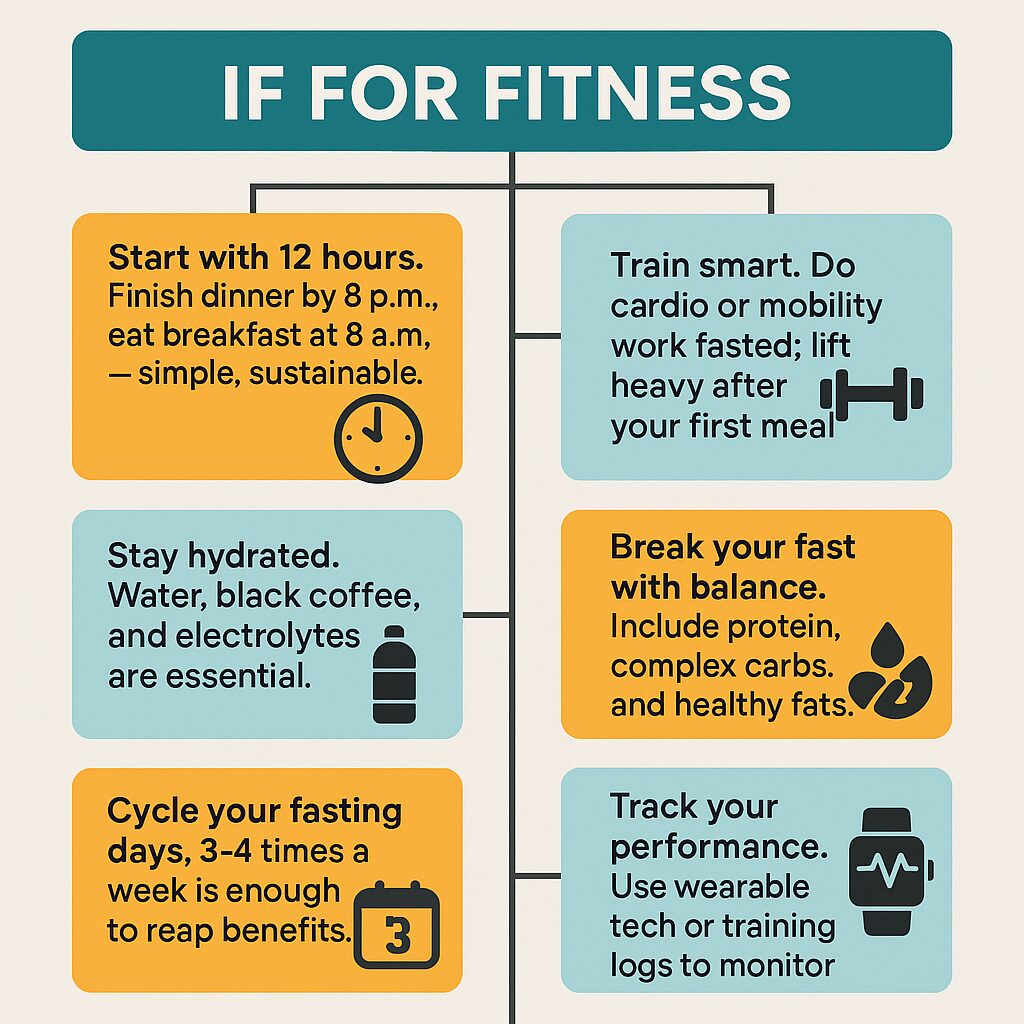
- Start with 12 hours. Finish dinner by 8 p.m., eat breakfast at 8 a.m. — simple, sustainable.
- Train smart. Do cardio or mobility work fasted; lift heavy after your first meal.
- Stay hydrated. Water, black coffee, and electrolytes are essential.
- Break your fast with balance. Include protein, complex carbs, and healthy fats.
- Cycle your fasting days. 3–4 times a week is enough to reap benefits.
- Track your performance. Use wearable tech or training logs to monitor recovery and strength trends.
The Psychology of Controlled Hunger
Beyond biology, fasting builds mental toughness and focus.
It teaches discipline, impulse control, and body awareness — traits that carry over to training, business, and life.
There’s a reason elite performers and biohackers use fasting as a mental reset: hunger sharpens awareness and rewires habits.
The Bottom Line
Fasting isn’t about deprivation — it’s about precision.
Done right, it can improve fat metabolism, muscle preservation, cognitive function, and overall metabolic resilience.
But fasting should fit your training — not dominate it.
Forge Biology’s approach is clear: science first, balance always.
Train hard, recover smart, and use fasting as one of many tools to forge your biology into its strongest form.
References
- Anton, S. D., Moehl, K., Donahoo, W. T., et al. (2018). Flipping the metabolic switch: Understanding and applying the health benefits of fasting. Obesity, 26(2), 254–268.
- Azevedo, F. R. D., Ikeoka, D., & Caramelli, B. (2013). Effects of intermittent fasting on metabolism in men. Revista da Associação Médica Brasileira, 59, 167-173.
- Tinsley, G. M., & La Bounty, P. M. (2015). Effects of intermittent fasting on body composition and clinical health markers in humans. Nutrition Reviews, 73(10), 661–674.
- Moro, T., Tinsley, G., Bianco, A., et al. (2016). Effects of eight weeks of time-restricted feeding on body composition and performance in resistance-trained males. Journal of Translational Medicine, 14(1), 290.
- Mattson, M. P., Longo, V. D., & Harvie, M. (2017). Impact of intermittent fasting on health and disease processes. Ageing Research Reviews, 39, 46–58.
- Patterson, R. E., & Sears, D. D. (2017). Metabolic effects of intermittent fasting. Annual review of nutrition, 37(1), 371-393.
About the Author

Forge Your Mind. Build Your Biology.
Join the Forge Biology newsletter — where science meets strength.
Every week, you’ll get:
-
Evidence-based insights on training, performance, and recovery
-
Real analyses of supplements that work (and the ones that don’t)
-
Deep dives into hormones, nutrition, and human optimization
No fluff. No marketing hype. Just data-driven knowledge to build a stronger body — and a sharper mind.
Subscribe now and start mastering your biology.