
Definition
Vitamin D is often called the “sunshine vitamin,” but technically, it functions more like a hormone than a traditional vitamin. It is a fat-soluble nutrient critical for calcium regulation, bone health, immune defense, and muscle function.
There are two main forms: Vitamin D₂ (ergocalciferol), found in some plants and fortified foods, and Vitamin D₃ (cholecalciferol), produced in the skin after exposure to sunlight and found in animal sources. Vitamin D₃ is significantly more potent and bioavailable than D₂.
Once activated in the liver and kidneys, Vitamin D acts as a powerful regulator of gene expression — influencing over 200 genes related to metabolism, immunity, and cell repair.

Where It’s Found
Vitamin D can be synthesized in the skin when exposed to ultraviolet B (UVB) rays from sunlight, making outdoor exposure one of the most efficient sources. However, factors like latitude, sunscreen use, skin pigmentation, and lifestyle can limit production.
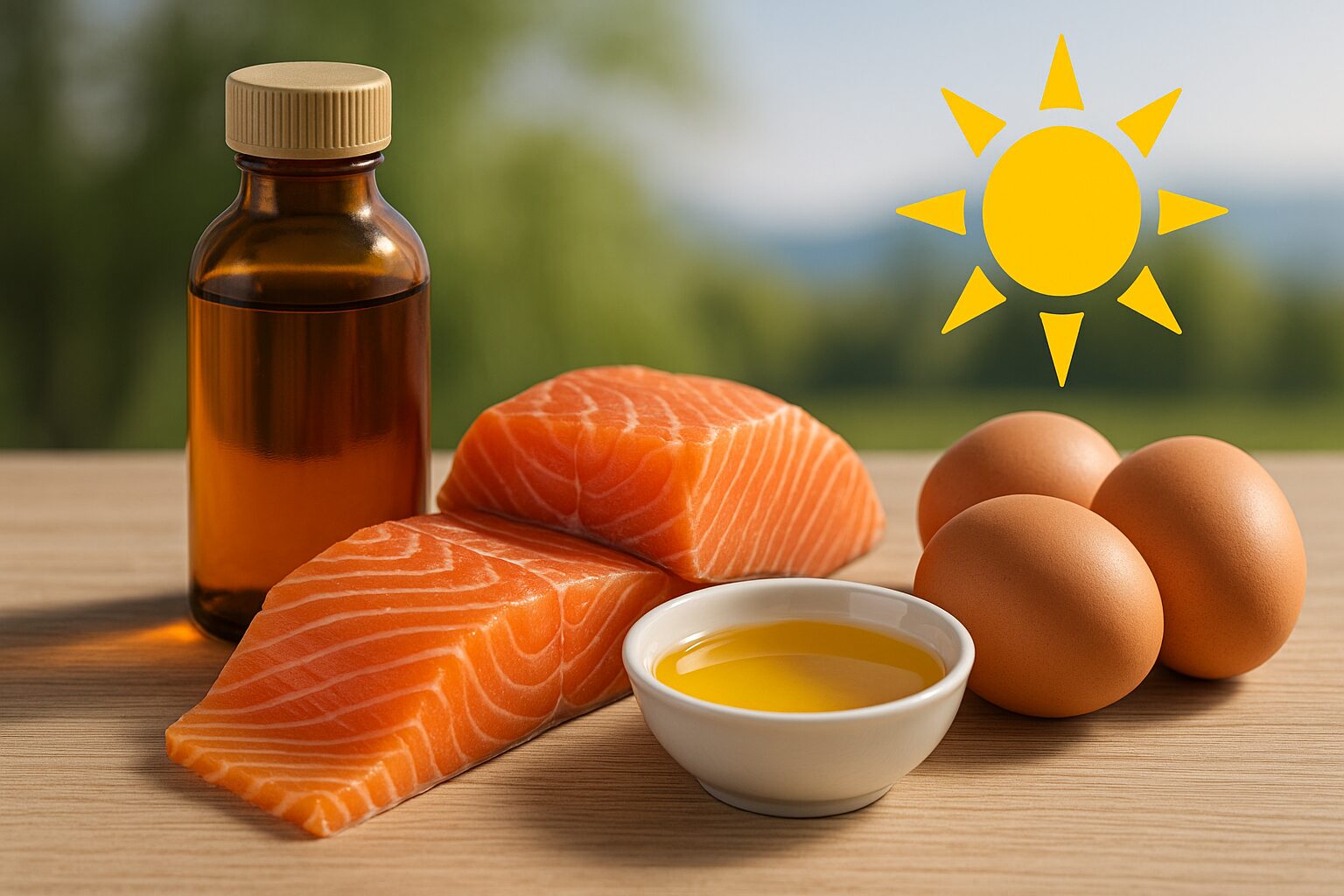
Dietary sources include fatty fish (salmon, sardines, mackerel), cod liver oil, egg yolks, and fortified dairy products. Because few foods naturally contain Vitamin D, many people — especially those living far from the equator — require supplementation to maintain optimal levels year-round.
Function in the Human Body
Vitamin D’s most well-known role is in calcium and phosphorus metabolism, supporting bone density and preventing rickets or osteomalacia. But recent research reveals its far broader reach: it influences immune modulation, muscle contraction, and neural function.
Vitamin D receptors are found in nearly every tissue of the body — from skeletal muscle fibers to immune cells. It regulates the absorption of calcium in the intestines and enhances muscle protein synthesis, making it a foundational molecule for both strength and resilience.
Relationship with Physical Performance
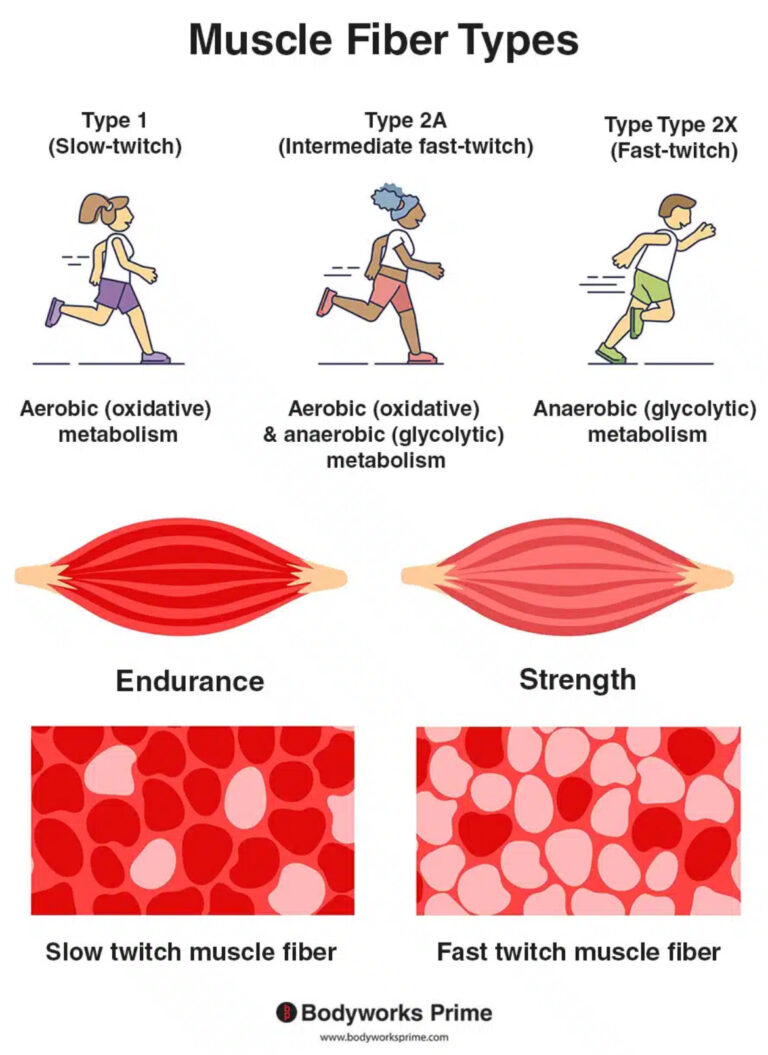
Vitamin D is deeply connected to athletic performance and muscle recovery. Adequate levels increase testosterone, explosive power, and neuromuscular coordination. Athletes deficient in Vitamin D often report reduced muscle strength, slower reaction times, and greater susceptibility to fatigue and injury.
In endurance sports, Vitamin D supports mitochondrial efficiency, allowing muscles to generate ATP more effectively. It also helps modulate inflammation after intense exercise, accelerating recovery and reducing muscle soreness.
Studies show that restoring Vitamin D levels in deficient individuals can increase strength output by up to 20–30%, especially in large muscle groups like the quadriceps and glutes — proving its central role in performance optimization.
Recommended Daily Intake (RDI)
According to the National Institutes of Health (NIH):
- Adults (19–70 years): 600 IU (15 µg) per day
- Older adults (70+ years): 800 IU (20 µg) per day
However, many experts suggest that these values are minimal for avoiding deficiency, not for achieving optimal performance. Ideal serum levels of 25(OH)D are considered to be between 40–60 ng/mL. Achieving this often requires 2,000–4,000 IU daily, depending on body weight, sunlight exposure, and season.
How to Reach the RDI Naturally
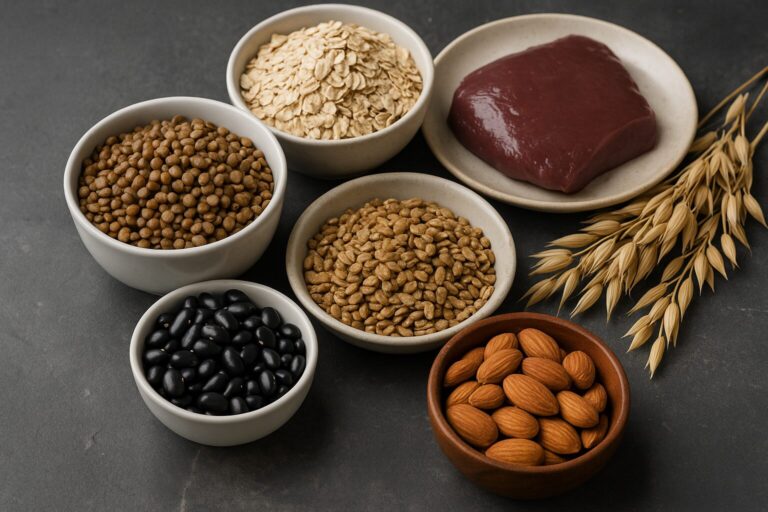
Reaching optimal Vitamin D levels through diet alone can be difficult, but a few key foods help:
- 100 g of salmon → 500–700 IU
- 1 teaspoon of cod liver oil → ~450 IU
- 2 whole eggs → ~80–100 IU
- Fortified milk or plant-based alternatives (1 cup) → 100 IU
- 15–30 minutes of sun exposure on arms and legs → up to 2,000 IU (depending on UV index and skin tone)
Combining moderate sun exposure with dietary intake and supplementation ensures year-round sufficiency.
Final Considerations
Vitamin D is not just a vitamin — it’s a master regulator of human performance, immunity, and vitality. It influences how your body builds muscle, repairs tissue, and maintains hormonal balance.
Deficiency is widespread — affecting athletes and sedentary individuals alike — yet entirely preventable. Regular testing, smart supplementation, and daily sun exposure can transform not only physical performance but also mood, sleep, and longevity.
In short: Vitamin D is sunlight turned into strength.
About the Author

Forge Your Mind. Build Your Biology.
Join the Forge Biology newsletter — where science meets strength.
Every week, you’ll get:
-
Evidence-based insights on training, performance, and recovery
-
Real analyses of supplements that work (and the ones that don’t)
-
Deep dives into hormones, nutrition, and human optimization
No fluff. No marketing hype. Just data-driven knowledge to build a stronger body — and a sharper mind.
Subscribe now and start mastering your biology.