
Definition
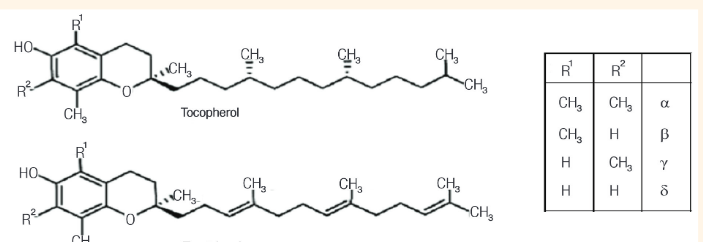
Vitamin E is a fat-soluble antioxidant that protects cell membranes from oxidative damage. Rather than being a single compound, it refers to a family of eight molecules — four tocopherols and four tocotrienols — with alpha-tocopherol being the most biologically active form in humans.
Its primary function is to neutralize free radicals generated during metabolism and intense physical activity. Because oxidative stress accelerates aging, inflammation, and muscle fatigue, Vitamin E acts as one of the body’s most potent natural defenses against these effects.
Where It’s Found
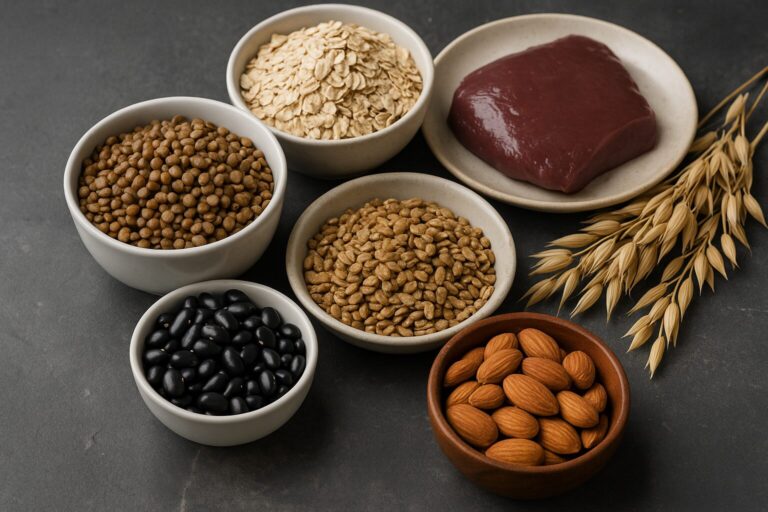
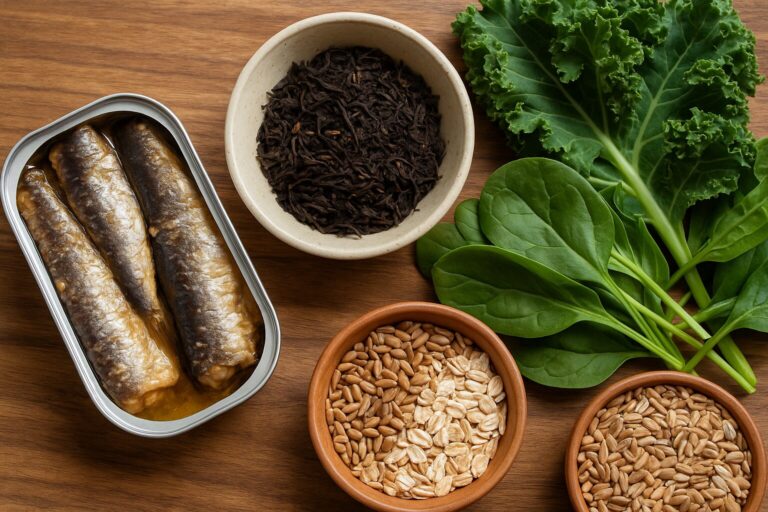
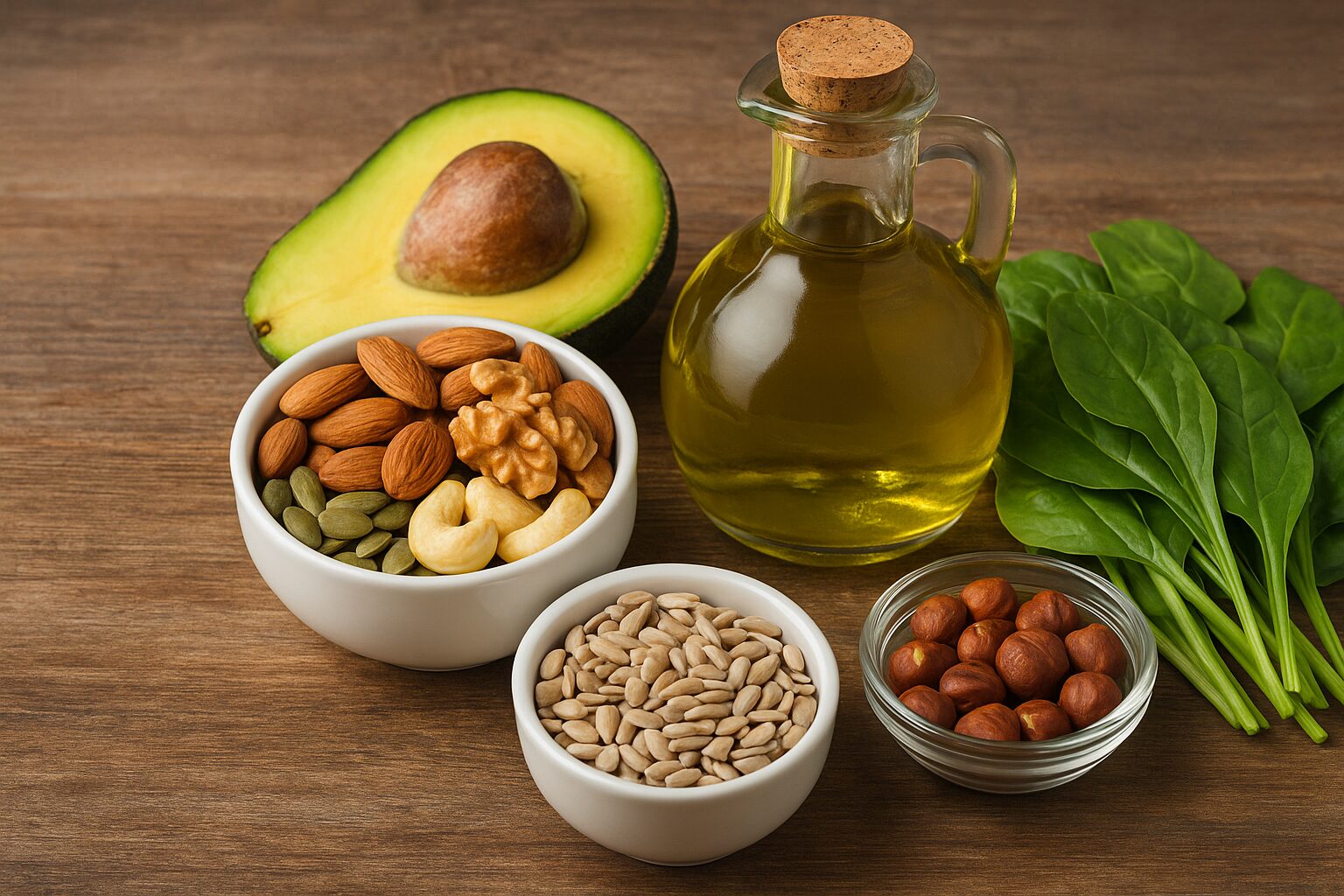
Vitamin E is abundant in plant-based oils, nuts, and seeds, as well as in some fruits and green vegetables. The best sources include sunflower seeds, almonds, hazelnuts, avocados, spinach, and wheat germ oil.
Animal products typically contain smaller amounts, but fish like salmon and rainbow trout offer modest levels. Since Vitamin E is fat-soluble, it’s best absorbed when consumed with dietary fats — making it synergistic with olive oil or other healthy lipid sources.
Function in the Human Body
At its core, Vitamin E’s role is cellular protection. Every metabolic reaction in the body produces free radicals — unstable molecules that damage lipids, proteins, and DNA. Vitamin E interrupts this chain reaction by donating an electron, stabilizing free radicals without becoming harmful itself.
This antioxidant activity maintains the integrity of cell membranes, particularly in red blood cells, neurons, and muscle tissue. It also supports the immune system, modulates inflammation, and helps the body use Vitamin K effectively.
Moreover, Vitamin E regenerates other antioxidants such as Vitamin C and glutathione, forming a protective antioxidant network that enhances overall resilience.
Relationship with Physical Performance
For athletes, Vitamin E plays a crucial role in recovery and endurance. Intense training increases oxygen consumption and oxidative stress, leading to muscle damage and delayed recovery. Vitamin E reduces this stress, protecting muscle fibers and improving post-exercise performance.
Several studies show that adequate Vitamin E levels can reduce markers of muscle inflammation and improve oxygen efficiency during prolonged exercise. It also supports cardiovascular endurance by maintaining the elasticity of blood vessels and improving circulation.
However, like Vitamin C, excessive supplementation (above 400 IU/day) may interfere with the body’s natural adaptive responses to exercise. The ideal approach is obtaining Vitamin E primarily from whole foods.
Recommended Daily Intake (RDI)
According to the National Institutes of Health (NIH):
- Men and Women: 15 mg (22.4 IU) per day
- Lactating Women: 19 mg (28 IU) per day
Since Vitamin E is stored in body fat, toxicity is rare but possible when intake exceeds 1,000 mg (1,500 IU) from supplements. Deficiency, while uncommon, can lead to muscle weakness, impaired coordination, and immune dysfunction.
How to Reach the RDI Naturally
Reaching the RDI is simple with a balanced diet rich in plant-based fats:
- 1 tablespoon of sunflower seeds → ~7 mg
- 1 ounce (28 g) of almonds → ~7.3 mg
- 1 tablespoon of wheat germ oil → ~20 mg
- ½ avocado → ~2 mg
- 1 cup of cooked spinach → ~3 mg
Combining these foods with healthy fats enhances absorption, ensuring maximum benefit from every meal.
Final Considerations
Vitamin E is your cellular armor — silently protecting every membrane, every muscle fiber, and every neuron from the wear and tear of modern life and intense training.
It doesn’t provide energy or build muscle directly, but it ensures the machinery of performance stays intact. Without it, even the best diet or training plan falters under oxidative stress.
In the hierarchy of performance nutrition, Vitamin E stands as the guardian of endurance and longevity, the invisible shield keeping the athlete — and the human body — running strong.
About the Author

Forge Your Mind. Build Your Biology.
Join the Forge Biology newsletter — where science meets strength.
Every week, you’ll get:
-
Evidence-based insights on training, performance, and recovery
-
Real analyses of supplements that work (and the ones that don’t)
-
Deep dives into hormones, nutrition, and human optimization
No fluff. No marketing hype. Just data-driven knowledge to build a stronger body — and a sharper mind.
Subscribe now and start mastering your biology.