
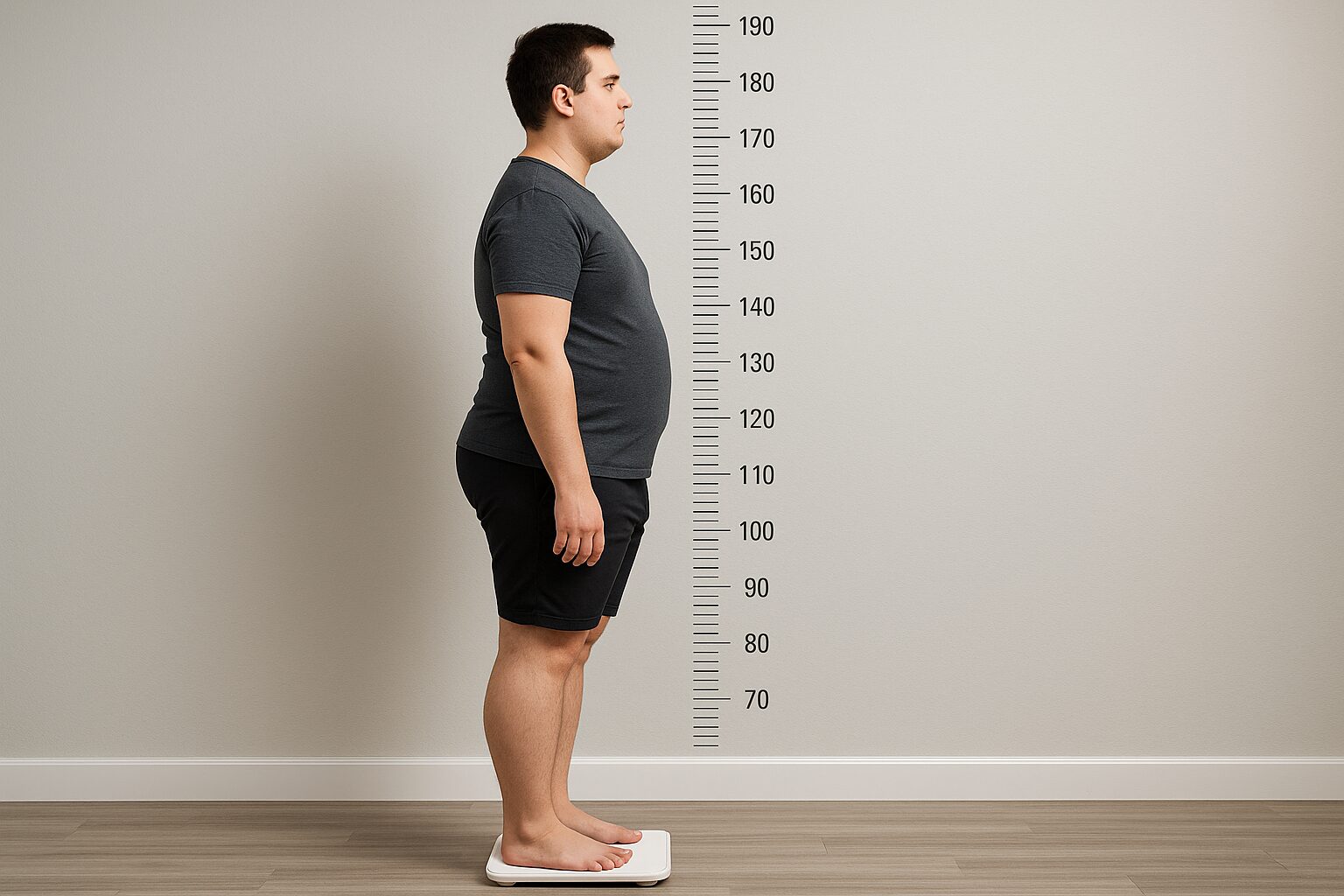
Body Mass Index (BMI) is one of the simplest and most widely used tools to estimate body fat and assess whether an individual is underweight, at a healthy weight, overweight, or obese. Although not a perfect measure, it provides valuable insight into overall health and disease risk when interpreted correctly and combined with other indicators.
What Is Body Mass Index (BMI)?
Body Mass Index is a numerical value calculated using a person’s weight and height. The formula is straightforward:
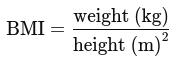
For example, someone who weighs 80 kg and is 1.80 meters tall would have a BMI of 24.7 — considered within the healthy range for adults.
BMI Classification According to the World Health Organization
| Category | BMI Range (kg/m²) |
|---|---|
| Underweight | Below 18.5 |
| Normal weight | 18.5 – 24.9 |
| Overweight | 25.0 – 29.9 |
| Obesity Class I | 30.0 – 34.9 |
| Obesity Class II | 35.0 – 39.9 |
| Obesity Class III | 40.0 or higher |
These ranges are based on global data linking BMI to risk for metabolic and cardiovascular diseases.
Why Is BMI Important?
1. Indicator of Health Risks
Research has consistently shown that individuals with high BMI values — particularly above 30 — are at greater risk for type 2 diabetes, hypertension, cardiovascular disease, and certain cancers. Conversely, very low BMI values may indicate malnutrition or underlying health conditions.
2. Population-Level Screening Tool
Public health organizations use BMI to monitor obesity trends and predict healthcare burdens. It is inexpensive, quick, and non-invasive, making it ideal for large-scale epidemiological studies.
3. Baseline for Fitness Goals
For athletes or individuals starting a fitness program, BMI can serve as a baseline metric. Even though it does not measure muscle directly, it helps track changes in body composition over time when used alongside other indicators like waist circumference or body fat percentage.
4. Connection to Longevity
Large cohort studies (Flegal et al., 2013; Bhaskaran et al., 2018) show that maintaining a BMI in the range of 20–25 is associated with lower mortality rates and better overall health outcomes compared to both extremes.
Limitations of BMI
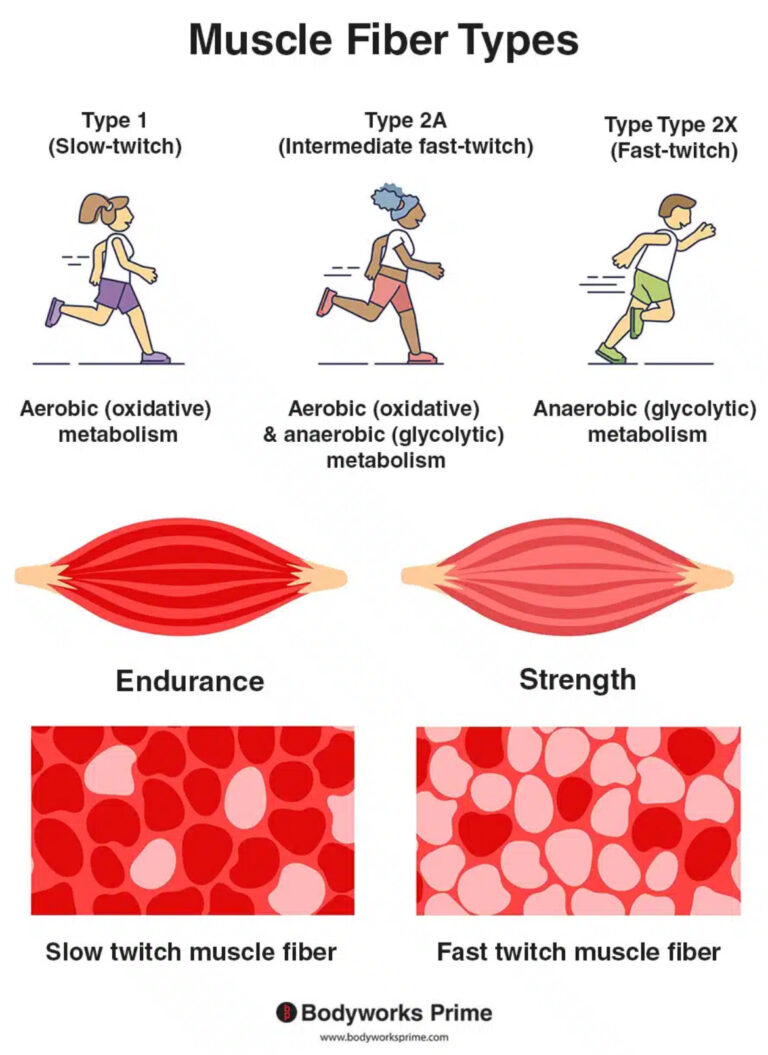
While BMI is useful, it’s far from perfect. It does not differentiate between muscle, bone, and fat mass — meaning that a muscular individual may appear “overweight” on paper. Similarly, older adults with muscle loss may have a “normal” BMI while carrying excess fat.
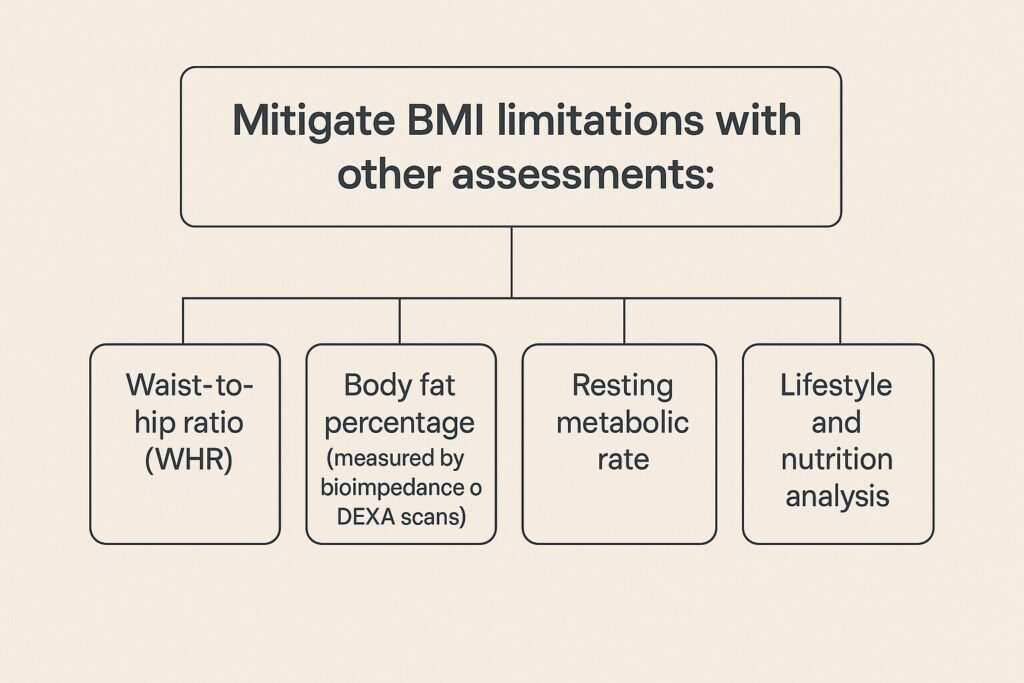
That’s why experts recommend combining BMI with other assessments:
- Waist-to-hip ratio (WHR)
- Body fat percentage (measured by bioimpedance or DEXA scans)
- Resting metabolic rate
- Lifestyle and nutrition analysis
BMI and Athletic Populations
Athletes often have higher BMI due to increased lean body mass. For example, a professional rugby player or weightlifter might have a BMI of 30 or more while maintaining single-digit body fat. In such cases, BMI should not be used in isolation but rather interpreted within the context of physical performance and body composition.
How to Use BMI Wisely
- Use it as a starting point, not a diagnosis.
- Combine it with body measurements and clinical evaluations.
- Recalculate periodically to track long-term trends.
- Focus on overall health, not just numbers — diet quality, exercise, sleep, and stress all influence metabolic health beyond BMI.
Final Thoughts
Body Mass Index remains a cornerstone of health assessment due to its simplicity and predictive value. However, its true power lies in context — understanding that it’s a population-based indicator, not an individual verdict. When used wisely, BMI helps identify potential health risks early, guide nutritional and fitness strategies, and foster a more informed approach to body composition management.
References
- Bhaskaran, K., Dos-Santos-Silva, I., Leon, D. A., Douglas, I. J., & Smeeth, L. (2018). Association of BMI with overall and cause-specific mortality: A population-based cohort study of 3.6 million adults in the UK. The Lancet Diabetes & Endocrinology, 6(12), 944–953.
- Flegal, K. M., Kit, B. K., Orpana, H., & Graubard, B. I. (2013). Association of all-cause mortality with overweight and obesity using standard BMI categories: A systematic review and meta-analysis. JAMA, 309(1), 71–82.
- World Health Organization. (2020). Body mass index – BMI classification. WHO Global Database on Body Mass Index.
About the Author

Forge Your Mind. Build Your Biology.
Join the Forge Biology newsletter — where science meets strength.
Every week, you’ll get:
-
Evidence-based insights on training, performance, and recovery
-
Real analyses of supplements that work (and the ones that don’t)
-
Deep dives into hormones, nutrition, and human optimization
No fluff. No marketing hype. Just data-driven knowledge to build a stronger body — and a sharper mind.
Subscribe now and start mastering your biology.