
Definition
Magnesium is an essential mineral and electrolyte involved in over 300 enzymatic reactions within the human body. It supports energy metabolism, neuromuscular control, protein synthesis, and cardiovascular health.
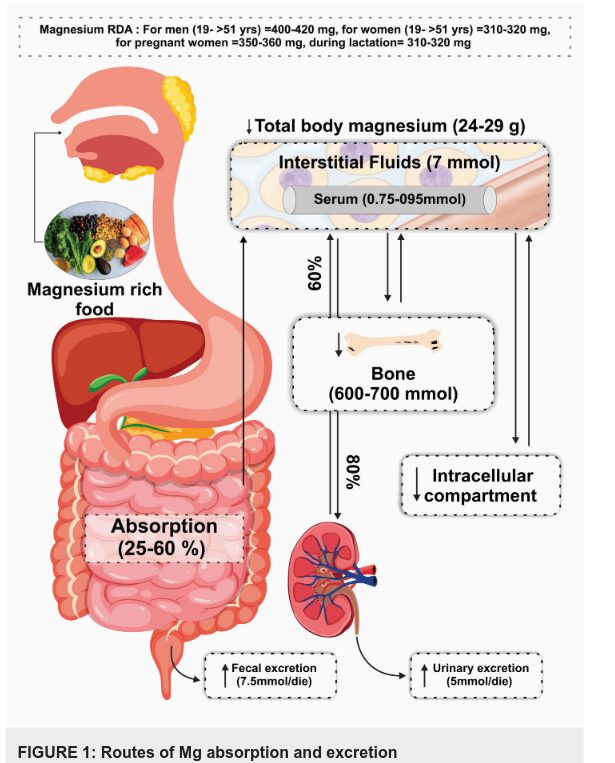
About 60% of the body’s magnesium resides in bones, 20% in muscles, and the rest in soft tissues and fluids. It functions as a cofactor — a helper molecule — ensuring enzymes and biochemical processes run efficiently. Without magnesium, every contraction, heartbeat, and metabolic reaction begins to falter.
Where It’s Found
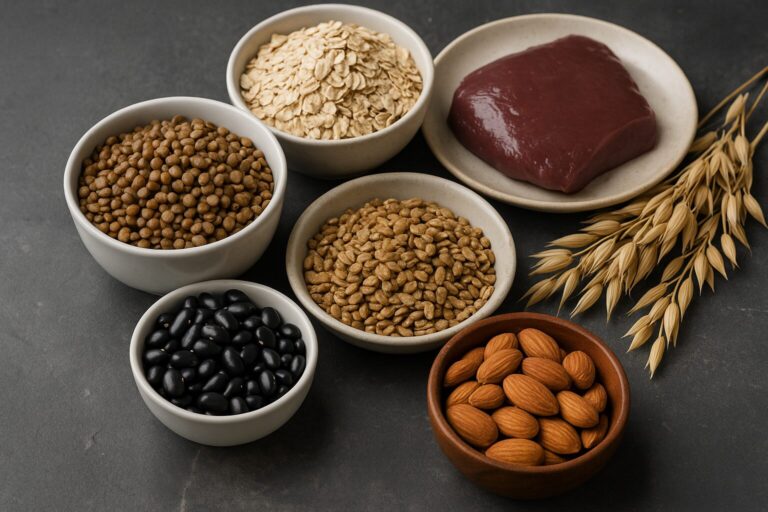
Magnesium occurs naturally in nuts, seeds, whole grains, leafy green vegetables, and legumes. Excellent sources include almonds, cashews, pumpkin seeds, spinach, avocado, and black beans.
It’s also present in mineral water and some types of dark chocolate. However, modern diets high in refined grains and processed foods often provide far less magnesium than the body requires. Even mild deficiencies can lead to fatigue, irritability, and decreased performance.
Function in the Human Body
Magnesium acts as a biological stabilizer. It regulates ATP production — the energy currency of the cell — by activating enzymes within mitochondria. It’s also critical for muscle contraction and relaxation, preventing the spasms and cramps that occur when calcium dominates unchecked.
Additionally, magnesium supports nerve conduction, blood sugar regulation, and DNA/RNA synthesis. In the cardiovascular system, it maintains normal heart rhythm and vascular tone, lowering blood pressure and improving blood flow efficiency.
Relationship with Physical Performance
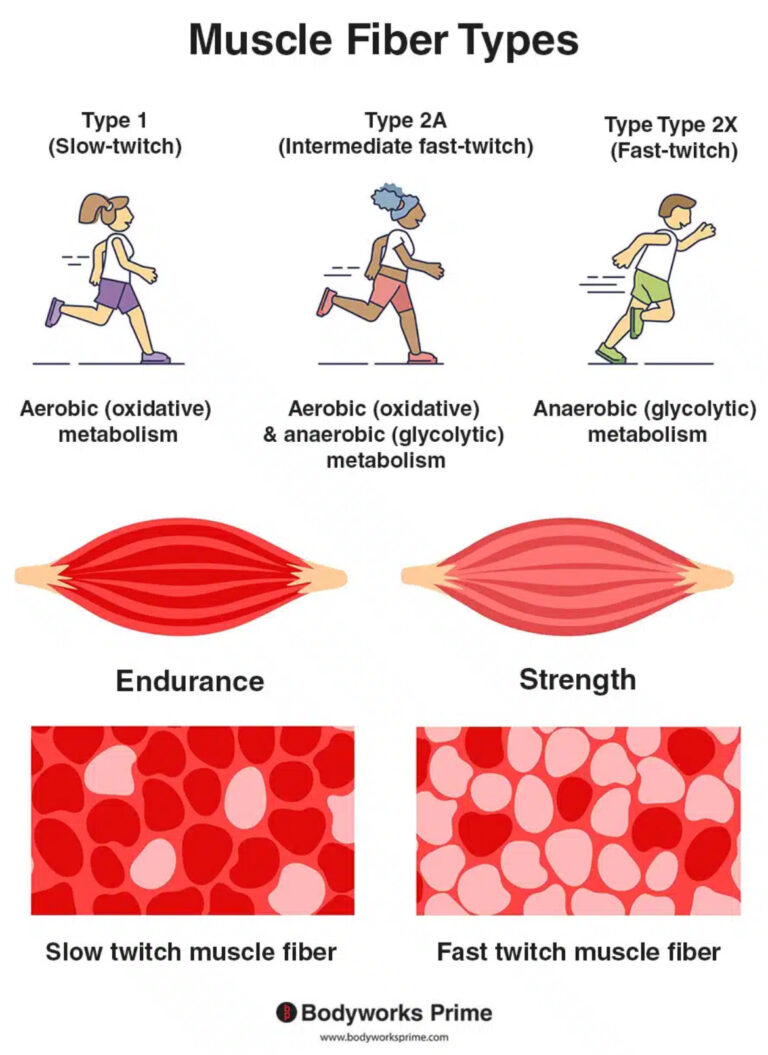
For athletes, magnesium is a performance multiplier. It enhances muscle endurance, reduces lactate accumulation, and speeds up recovery. During intense training, magnesium is lost through sweat and urine, and low levels can impair both aerobic and anaerobic capacity.
Studies show that optimal magnesium intake improves oxygen uptake (VO₂ max), strength, and glucose metabolism. It also regulates cortisol, helping prevent chronic fatigue and overtraining syndrome.
Deficiency, even mild, leads to muscle cramps, weakness, and slow recovery, especially in endurance athletes or those on restrictive diets.
Recommended Daily Intake (RDI)
According to the National Institutes of Health (NIH):
- Men (19–30 years): 400 mg/day
- Men (31+ years): 420 mg/day
- Women (19–30 years): 310 mg/day
- Women (31+ years): 320 mg/day
Athletes may require 10–20% more due to increased losses from sweat and muscle turnover.
How to Reach the RDI Naturally
A balanced diet can easily provide sufficient magnesium:
- 1 ounce (28 g) of almonds → ~80 mg
- 1 ounce of pumpkin seeds → ~150 mg
- 1 cup of cooked spinach → ~150 mg
- 1 avocado → ~60 mg
- ½ cup of black beans → ~60 mg
Combining leafy greens, nuts, and whole grains ensures steady magnesium levels throughout the day. Magnesium-rich mineral water can also help replenish daily needs.
Final Considerations
Magnesium is the spark that ignites performance and recovery. It powers every cell, calms the nervous system, and synchronizes muscle contraction with precision.
Deficiency doesn’t just slow progress — it undermines it from within, dulling focus, weakening output, and amplifying fatigue.
In the physiology of strength and endurance, magnesium stands as the quiet conductor, orchestrating balance between tension and relaxation, energy and rest, performance and restoration.
About the Author

Forge Your Mind. Build Your Biology.
Join the Forge Biology newsletter — where science meets strength.
Every week, you’ll get:
-
Evidence-based insights on training, performance, and recovery
-
Real analyses of supplements that work (and the ones that don’t)
-
Deep dives into hormones, nutrition, and human optimization
No fluff. No marketing hype. Just data-driven knowledge to build a stronger body — and a sharper mind.
Subscribe now and start mastering your biology.