
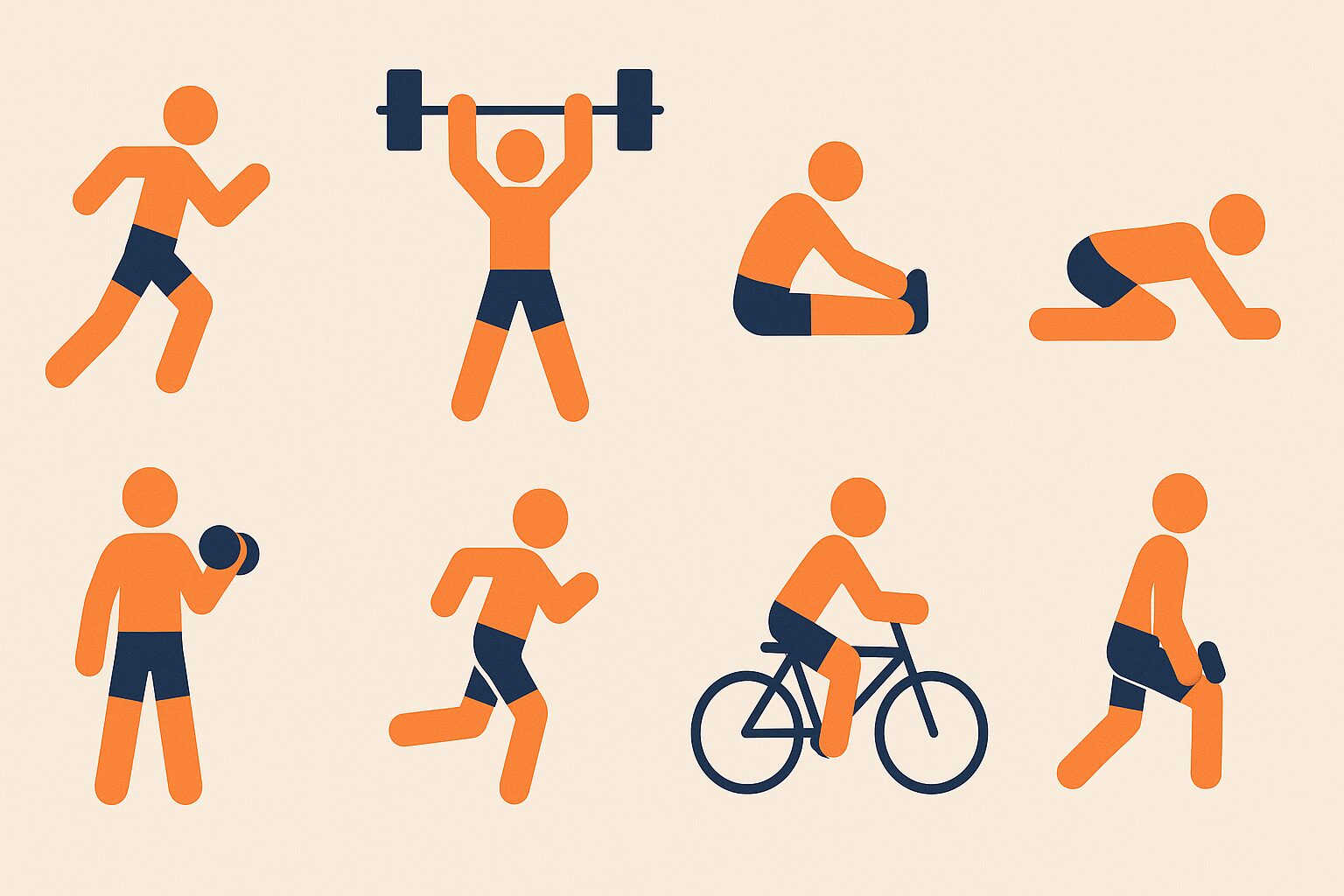
Physical training is both an art and a science. Whether your goal is building strength, improving endurance, or enhancing overall health, success depends on understanding and applying a few universal principles. These training foundations have been validated through decades of exercise physiology research — and they apply to beginners, athletes, and tactical professionals alike.
1. Specificity: Train for Your Goal
The body adapts precisely to the type of demand placed upon it. This is known as the principle of specificity.
If you want to run faster, you must run. If you want to lift heavier, you must lift heavy weights. General fitness is valuable, but performance improvements happen when your training mimics the exact movements, energy systems, and skills required by your objective.
Example:
A sprinter should focus on short, high-intensity sprints, not long-distance jogging. A combat athlete should include drills that replicate the demands of real engagement — short bursts of maximal effort and rapid recovery.
2. Overload: Stress Drives Adaptation
For muscles, bones, and cardiovascular systems to grow stronger, they must be challenged beyond their usual level of performance. This is the principle of overload.
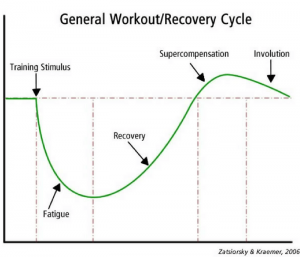
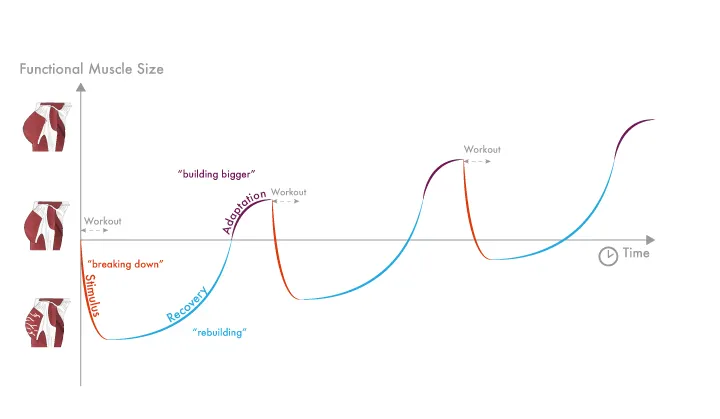
Training must be intense enough to cause a controlled disruption in the body’s equilibrium, triggering adaptation during recovery.
Example:
Increasing the weight you lift, running at a faster pace, or adding more repetitions are all ways to apply overload safely and progressively.

3. Progression: Gradual, Not Random
Adaptation doesn’t happen overnight. The principle of progression ensures continuous improvement without injury or burnout.
Your body needs time to adjust to new levels of stress, so training intensity, volume, or frequency should rise gradually.
Example:
Increase total weekly running distance by no more than 10%. In strength training, add small weight increments (2–5%) every one to two weeks.

4. Individuality: No Two Bodies Are the Same
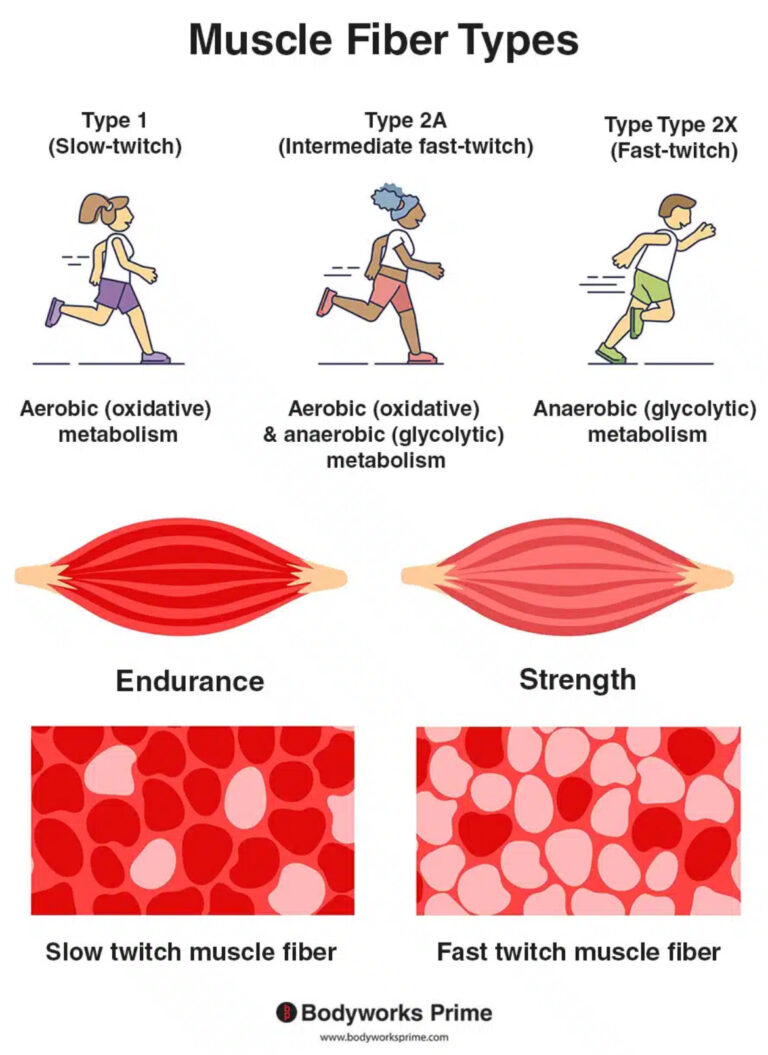
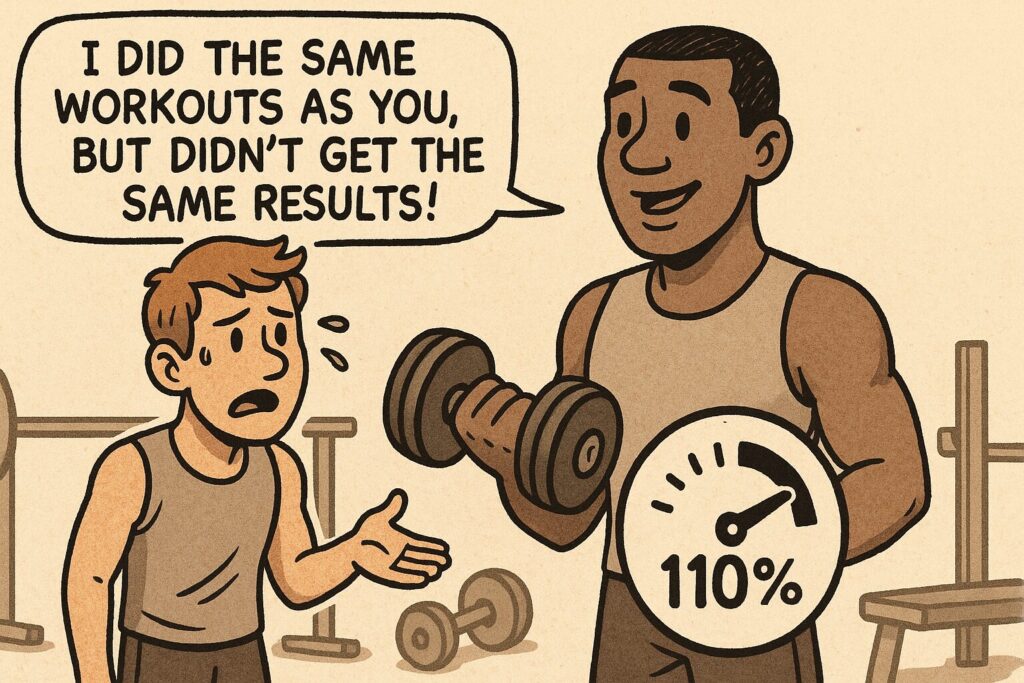
Genetics, age, sex, recovery ability, and training history all affect how a person responds to exercise. That’s why one plan doesn’t fit everyone.
Example:
Two athletes may follow the same program, but one builds muscle faster while the other develops endurance. The key is monitoring your own progress — through metrics like heart rate, perceived exertion, and training logs — and adjusting accordingly.
5. Recovery: Growth Happens Between Sessions
Training breaks down tissues; recovery rebuilds them stronger. Neglecting rest sabotages progress, leading to fatigue, hormonal imbalance, and injury.
Example:
Schedule at least one rest day per week, sleep 7–9 hours nightly, and use active recovery methods such as stretching, foam rolling, or low-intensity mobility work.
6. Reversibility: Use It or Lose It
When training stops, performance declines — a concept known as detraining or the principle of reversibility.
Cardiorespiratory endurance begins to drop after two weeks without exercise, and strength after about four.
Example:
If you’ve built up to running 10 kilometers easily but stop training for a month, expect to rebuild gradually once you resume.

7. Variation: Keep the Body Guessing
Performing the same workout for too long leads to adaptation plateaus. Periodic variation — also called periodization — keeps progress steady and reduces overuse injuries.
Example:
Alternate between heavy strength weeks and lighter, high-rep conditioning weeks. Runners can mix long runs, interval training, and hill sprints to maintain stimulus diversity.
8. Balance and Symmetry
A complete program develops the body as a whole — strength, endurance, flexibility, and coordination — preventing muscular imbalances that could cause injury.
Example:
Pair pushing and pulling movements (e.g., bench press and row), train both upper and lower body, and include unilateral work to correct asymmetries.
9. Consistency: The Real Secret
The best program is the one you follow consistently. Training must be a lifestyle, not a temporary phase. Small, repeated actions compound over time to produce significant transformation.
Example:
Even 30 minutes of focused exercise, five days a week, yields far better results than sporadic, intense efforts once in a while.
Final Thoughts
Understanding and applying the principles of physical training transforms exercise from guesswork into strategy. Specificity directs your effort, overload drives progress, recovery secures growth, and consistency sustains results. Whether your battlefield is the gym, the field, or life itself, these principles remain the foundation of true performance.
About the Author

Forge Your Mind. Build Your Biology.
Join the Forge Biology newsletter — where science meets strength.
Every week, you’ll get:
-
Evidence-based insights on training, performance, and recovery
-
Real analyses of supplements that work (and the ones that don’t)
-
Deep dives into hormones, nutrition, and human optimization
No fluff. No marketing hype. Just data-driven knowledge to build a stronger body — and a sharper mind.
Subscribe now and start mastering your biology.