
Definition
Phosphorus is a macromineral second only to calcium in abundance within the human body. It forms the structural framework of bones and teeth, but its importance extends far beyond that. As part of adenosine triphosphate (ATP) — the molecule that powers every cellular process — phosphorus is quite literally the currency of biological energy.
It’s also an essential component of DNA, RNA, and cell membranes, making it indispensable for growth, repair, and metabolic regulation. Without phosphorus, life’s energy transactions simply could not occur.
Where It’s Found
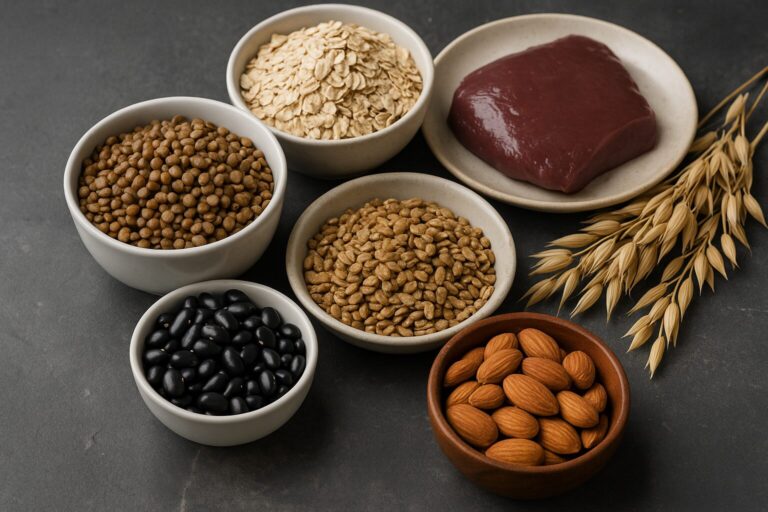
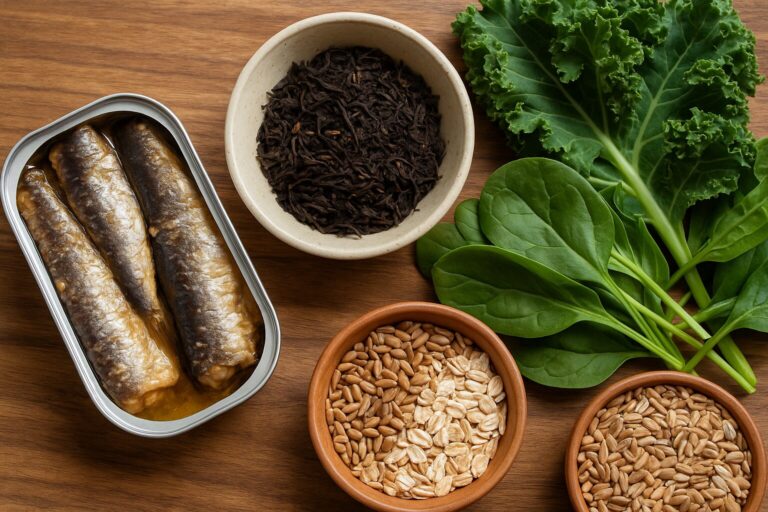
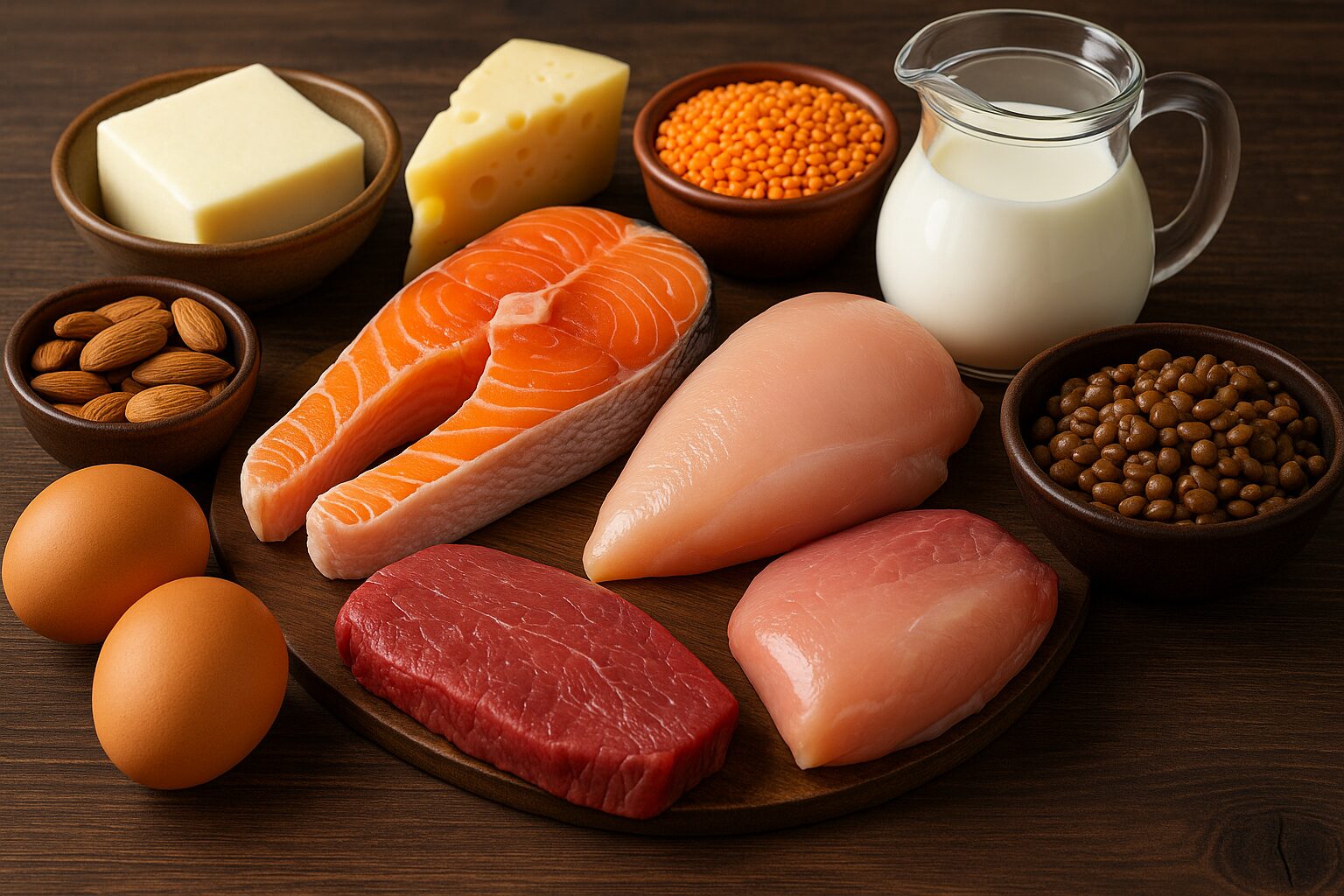
Phosphorus is widely distributed in foods, particularly those rich in protein. Major sources include meat, poultry, fish, eggs, milk, cheese, legumes, and nuts. Whole grains also provide significant amounts, although absorption is lower due to phytate content.
In contrast, processed foods often contain phosphate additives that are absorbed almost completely — contributing to excessive intake in some modern diets. For athletes and active individuals, natural sources remain superior for balanced absorption and mineral synergy.
Function in the Human Body
Phosphorus operates at the heart of metabolism. As part of ATP, it drives energy transfer and storage, ensuring that muscles, organs, and the brain receive a constant fuel supply.
It also participates in phosphorylation, the process by which enzymes are activated or deactivated, controlling nearly every metabolic pathway.
In bones, phosphorus binds with calcium to form hydroxyapatite, providing strength and rigidity. It also acts as a buffer, maintaining acid-base balance and stabilizing blood pH — critical during intense exercise when lactic acid levels rise.
Relationship with Physical Performance
Phosphorus directly influences power output, recovery, and endurance. Adequate levels support ATP regeneration, muscle contraction efficiency, and oxygen delivery to tissues. Studies show that phosphate loading can enhance aerobic capacity and delay fatigue during high-intensity activity.
Additionally, phosphorus supports creatine phosphate synthesis, another key energy reservoir for explosive performance. In the absence of sufficient phosphorus, muscles fatigue faster and recovery slows, leading to suboptimal training adaptation.
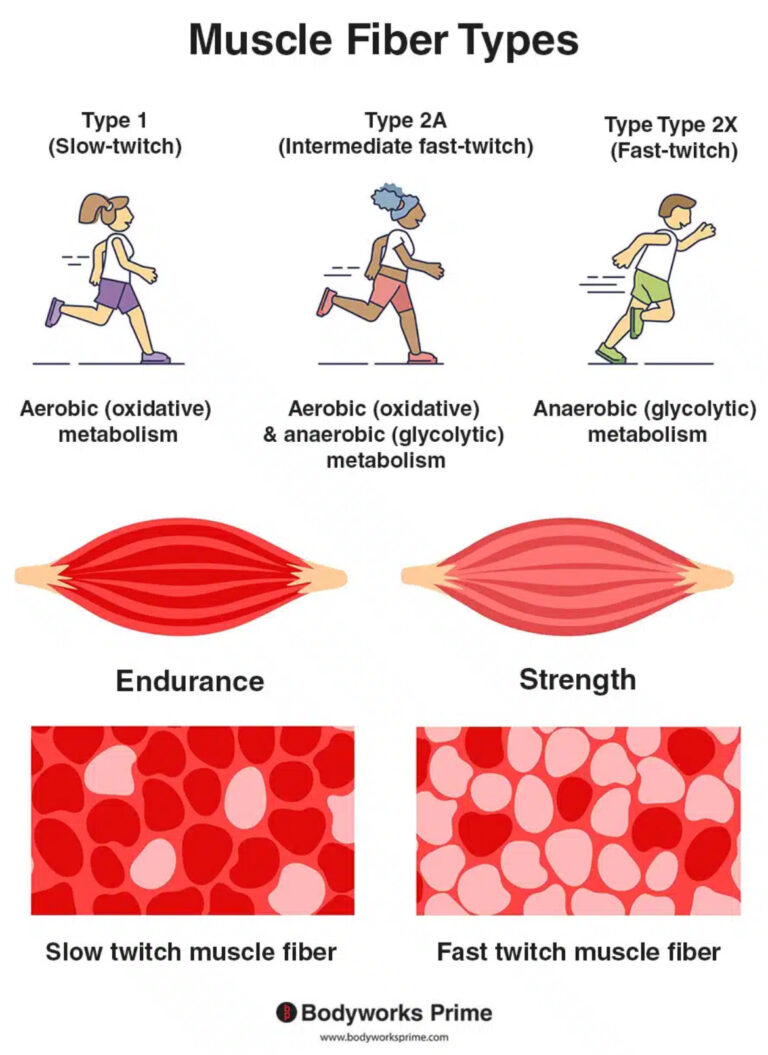
For endurance athletes, maintaining phosphorus balance ensures that energy systems — glycolytic and oxidative alike — operate at peak efficiency.
Recommended Daily Intake (RDI)
According to the National Institutes of Health (NIH):
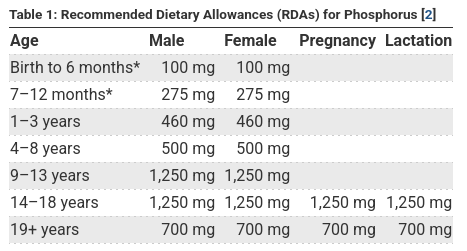
- Men and Women (Adults): 700 mg per day
- Pregnant and Lactating Women: 700 mg per day
Deficiency is rare but may occur in individuals with eating disorders, alcohol dependence, or chronic use of antacids. Excess phosphorus, often from processed foods, can disrupt calcium balance and strain kidney function.
How to Reach the RDI Naturally
Reaching optimal phosphorus intake through whole foods is simple and effective:
- 100 g of chicken or beef → ~200 mg
- 1 cup of milk or yogurt → ~250 mg
- 100 g of salmon or tuna → ~280 mg
- 1 egg → ~90 mg
- 30 g of almonds → ~150 mg
- 1 cup of lentils → ~350 mg
Combining protein-rich foods throughout the day naturally provides the ideal phosphorus-calcium synergy essential for bone and muscle strength.
| Food | Milligrams (mg) per serving | Percent DV* |
|---|---|---|
| Yogurt, plain, low fat, 6-ounce container | 245 | 20 |
| Milk, 2% milkfat, 1 cup | 226 | 18 |
| Salmon, Atlantic, farmed, cooked, 3 ounces | 214 | 17 |
| Scallops, breaded and fried, 3 ounces | 201 | 16 |
| Cheese, mozzarella, part skim, 1.5 ounces | 197 | 16 |
| Chicken, breast meat, roasted, 3 ounces | 182 | 15 |
| Lentils, boiled, ½ cup | 178 | 14 |
| Beef patty, ground, 90% lean meat, broiled, 3 ounces | 172 | 14 |
| Cashew nuts, dry roasted, 1 ounce | 139 | 11 |
| Potatoes, russet, flesh and skin, baked, 1 medium | 123 | 10 |
| Kidney beans, canned, ½ cup | 115 | 9 |
| Rice, brown, long grain, cooked, ½ cup | 102 | 8 |
| Peas, green, boiled, ½ cup | 94 | 8 |
| Oatmeal, cooked with water, ½ cup | 90 | 7 |
| Egg, hard boiled, 1 large | 86 | 7 |
| Tortillas, corn, 1 medium | 82 | 7 |
| Bread, whole wheat, 1 slice | 60 | 5 |
| Sesame seeds, 1 tablespoon | 57 | 5 |
| Bread, pita, whole wheat, 4-inch pita | 50 | 4 |
| Asparagus, boiled, ½ cup | 49 | 4 |
| Tomatoes, ripe, chopped, ½ cup | 22 | 2 |
| Apple, 1 medium | 20 | 2 |
| Cauliflower, boiled, 1” pieces, ½ cup | 20 | 2 |
| Beverages, carbonated, cola, 1 cup | 18 | 1 |
| Clementine, 1 medium | 16 | 1 |
| Tea, green, brewed, 1 cup | 0 | 0 |
Final Considerations
Phosphorus is the architect of cellular power — the mineral that fuels motion, thought, and growth. It builds the scaffolding of our bones and the spark of our energy, linking structural integrity with metabolic efficiency.
For athletes, phosphorus is not merely supportive — it’s foundational. It ensures that every contraction, every heartbeat, every neural signal has the energy it needs to perform flawlessly.
In the simplest terms: without phosphorus, energy has nowhere to live. It is the backbone of performance and the quiet partner in every act of strength and endurance.
About the Author

Forge Your Mind. Build Your Biology.
Join the Forge Biology newsletter — where science meets strength.
Every week, you’ll get:
-
Evidence-based insights on training, performance, and recovery
-
Real analyses of supplements that work (and the ones that don’t)
-
Deep dives into hormones, nutrition, and human optimization
No fluff. No marketing hype. Just data-driven knowledge to build a stronger body — and a sharper mind.
Subscribe now and start mastering your biology.