
Definition
Chromium is a trace mineral that enhances the action of insulin, the hormone responsible for regulating blood sugar levels. Though required in microgram quantities, it plays a pivotal role in carbohydrate, fat, and protein metabolism, influencing how efficiently the body converts nutrients into energy.
Chromium acts as a cofactor to insulin, increasing its sensitivity and improving glucose uptake into muscle cells — a process fundamental for both daily energy and athletic performance. Without adequate chromium, the body’s metabolic machinery becomes less efficient, leading to fluctuations in energy, mood, and fat storage.
Where It’s Found
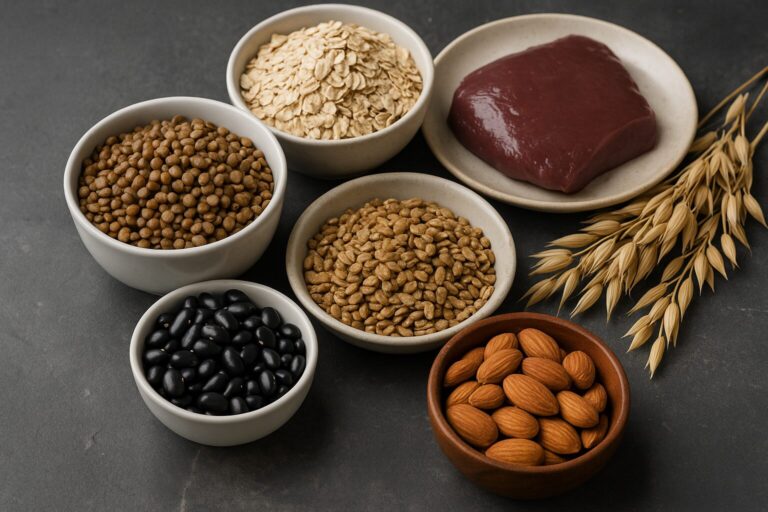
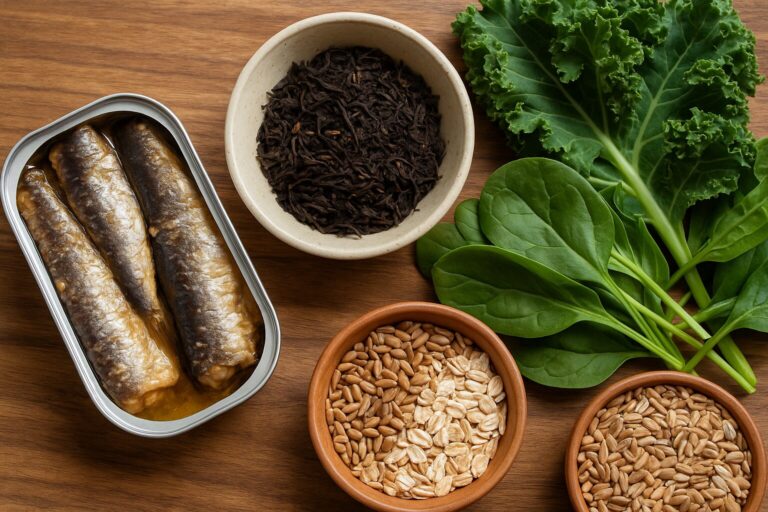
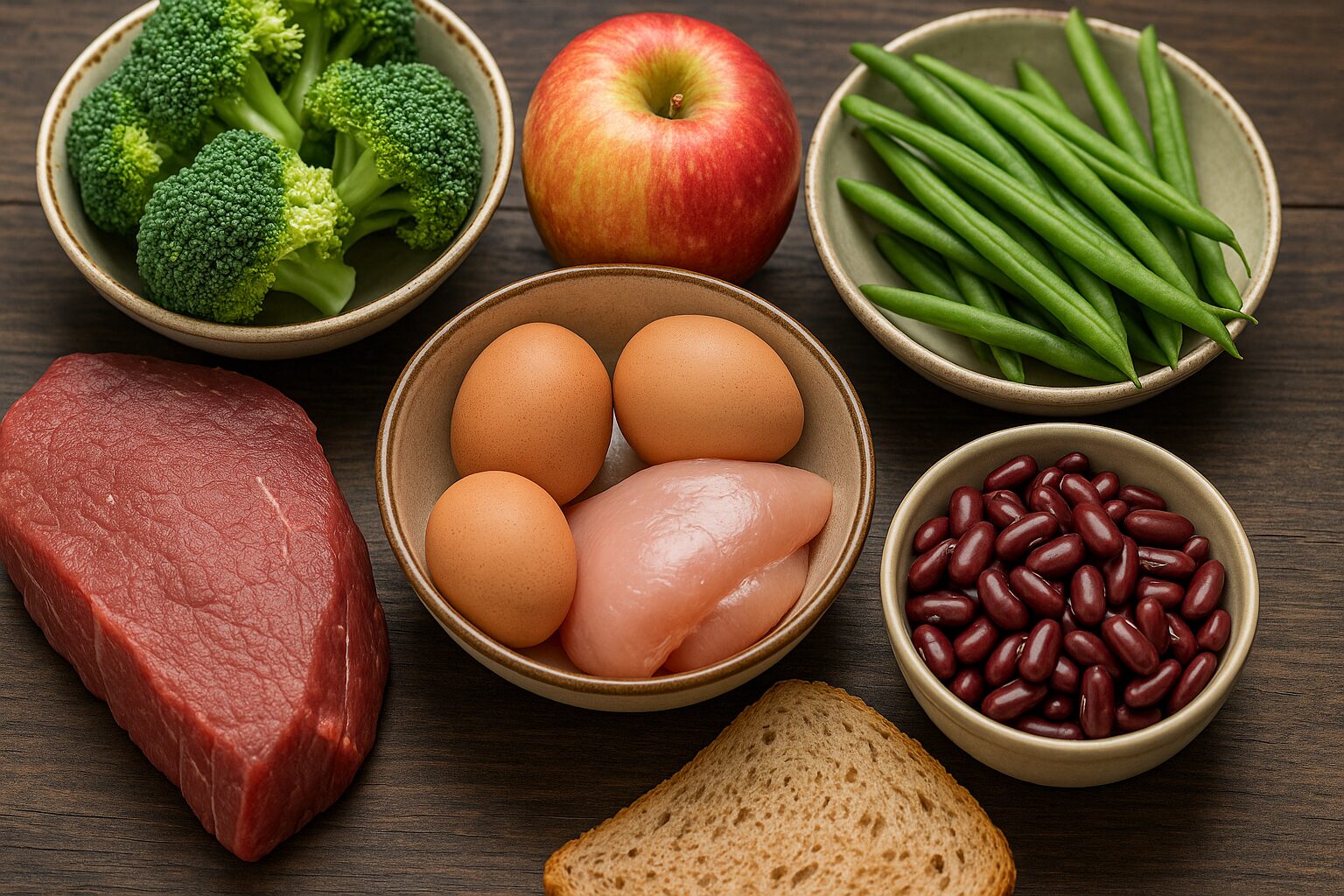
Chromium is found naturally in meat, whole grains, fruits, vegetables, and certain spices. The best sources include beef, poultry, eggs, broccoli, green beans, apples, whole wheat, black pepper, and brewer’s yeast.
Refined sugars and processed foods, however, deplete chromium levels, making whole, minimally processed foods the ideal foundation for maintaining metabolic balance.
Function in the Human Body
Chromium enhances insulin signaling, allowing glucose to enter cells more efficiently and be used for energy production. It also supports lipid metabolism, helping regulate cholesterol and triglyceride levels.
At the cellular level, chromium forms part of a compound called the chromodulin complex, which binds to insulin receptors and amplifies their activity. This mechanism improves nutrient partitioning — meaning more carbohydrates are stored as muscle glycogen instead of body fat.
In addition, chromium contributes to protein synthesis, making it a silent partner in muscle recovery and maintenance.
Relationship with Physical Performance
For athletes and physically active individuals, chromium is a key player in energy efficiency and body composition. By improving insulin sensitivity, it enhances glycogen replenishment and stabilizes blood sugar — preventing the energy crashes that undermine endurance and focus.
Some studies suggest that chromium supplementation may aid in fat loss and lean mass retention when combined with resistance training, though results vary depending on baseline diet and activity level.
Deficiency can lead to poor glucose control, slower recovery, and increased fatigue, especially in individuals consuming high-carbohydrate diets without sufficient micronutrient support.
Recommended Daily Intake (RDI)
According to the National Institutes of Health (NIH):
- Men (19–50 years): 35 µg per day
- Women (19–50 years): 25 µg per day
- Men (51+ years): 30 µg per day
- Women (51+ years): 20 µg per day
No upper limit has been established for chromium from natural sources, but excessive supplementation (above 1,000 µg/day) may cause oxidative stress or interfere with iron metabolism.
How to Reach the RDI Naturally
Chromium is easily obtained from a balanced diet rich in whole foods:
- 100 g of beef or poultry → ~20 µg
- 1 cup of broccoli or green beans → ~20 µg
- 1 medium apple → ~10 µg
- 1 slice of whole-grain bread → ~5 µg
- 1 teaspoon of black pepper → ~3 µg
- 1 tablespoon of brewer’s yeast → ~60 µg
A combination of these foods throughout the day maintains healthy chromium levels and supports steady energy metabolism.
| Food | Micrograms (mcg) per serving | Percent DV* |
|---|---|---|
| Grape juice, 1 cup | 7.5 | 21 |
| Ham, 3 ounces | 3.6 | 10 |
| English muffin, whole wheat, 1 | 3.6 | 10 |
| Brewer’s yeast, 1 tablespoon | 3.3 | 9 |
| Orange juice, 1 cup | 2.2 | 6 |
| Beef, 3 ounces | 2.0 | 6 |
| Lettuce, 1 wedge, about 5 ounces | 1.8 | 5 |
| Turkey breast, 3 ounces | 1.7 | 5 |
| Barbecue sauce, 1 tablespoon | 1.7 | 5 |
| Tomato juice, 1 cup | 1.5 | 4 |
| Apple, with peel, 1 medium | 1.4 | 4 |
| Green beans, ½ cup | 1.1 | 3 |
| Banana, 1 medium | 1.0 | 3 |
| Whole wheat bread, 1 slice | 1.0 | 3 |
| Ketchup, 1 tablespoon | 1.0 | 3 |
| Tomato, 1 medium | 0.9 | 3 |
| American cheese, 1½ ounces | 0.8 | 2 |
| Peanut butter, 1 tablespoon | 0.6 | 2 |
| Rice, white, ½ cup | 0.6 | 2 |
| Haddock, 3 ounces | 0.6 | 2 |
| Chicken breast, 3 ounces | 0.5 | 1 |
| Peas, ½ cup | 0.4 | 1 |
| Orange, 1 medium | 0.4 | 1 |
| Spaghetti, 1 cup | 0.3 | 1 |
| Carrots, raw, 1 medium | 0.3 | 1 |
| Egg, 1 medium | 0.2 | 1 |
| Celery, 1 stalk | 0.1 | 0 |
| Fat free milk, 1 cup | <0.1 | 0 |
Final Considerations
Chromium is the micronutrient of metabolic precision — ensuring that every calorie consumed is directed toward energy and performance, not storage and fatigue. It fine-tunes insulin function, optimizes nutrient distribution, and stabilizes blood sugar, acting as a safeguard against the highs and lows of modern diets.
For athletes, it transforms nutrition into performance by enhancing the body’s ability to use carbohydrates efficiently. In a world of erratic energy and overconsumption, chromium stands out as the silent guardian of metabolic balance — small in amount, but massive in impact.
About the Author

Forge Your Mind. Build Your Biology.
Join the Forge Biology newsletter — where science meets strength.
Every week, you’ll get:
-
Evidence-based insights on training, performance, and recovery
-
Real analyses of supplements that work (and the ones that don’t)
-
Deep dives into hormones, nutrition, and human optimization
No fluff. No marketing hype. Just data-driven knowledge to build a stronger body — and a sharper mind.
Subscribe now and start mastering your biology.