
Definition
Molybdenum is a trace mineral essential for enzyme function and detoxification. Though required only in microgram amounts, it plays a crucial role in breaking down toxins, drugs, and metabolic waste within the body.
It serves as a cofactor for four key enzymes: sulfite oxidase, aldehyde oxidase, xanthine oxidase, and mARC (mitochondrial amidoxime reducing component) — each vital for processing amino acids, purines, and sulfur-containing compounds. Without molybdenum, these metabolic pathways would slow or halt, leading to cellular imbalance and toxic buildup.
Where It’s Found
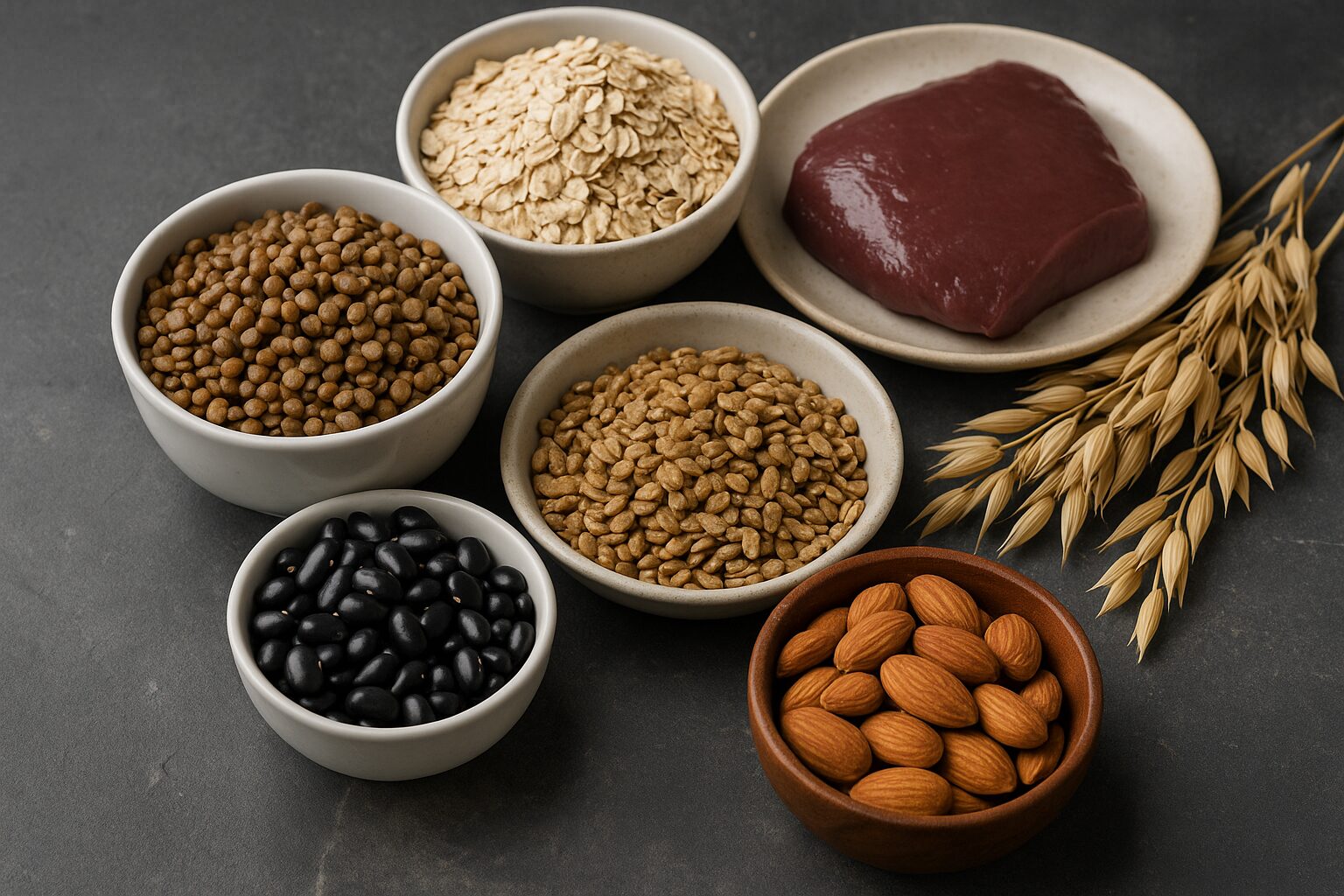
Molybdenum is naturally present in legumes, grains, nuts, and organ meats, though its concentration varies with soil composition. The best sources include lentils, beans, peas, oats, liver, and almonds.
Because it’s distributed widely across foods, true deficiency is rare — except in individuals with genetic enzyme defects or prolonged parenteral nutrition (IV feeding) without supplementation.
Function in the Human Body
Molybdenum’s primary role is enzymatic activation. It enables enzymes that:
- Convert sulfites (common preservatives and byproducts of metabolism) into harmless sulfates.
- Break down purines into uric acid, a process vital for DNA metabolism.
- Detoxify alcohols, drugs, and environmental compounds, protecting liver and kidney function.
This makes molybdenum a quiet but powerful detoxification catalyst. It also interacts with sulfur metabolism, ensuring balance in amino acids like methionine and cysteine — key for tissue repair and antioxidant synthesis (e.g., glutathione).
Relationship with Physical Performance
For athletes, molybdenum indirectly supports endurance, recovery, and metabolic efficiency. By enhancing detoxification and reducing oxidative load, it helps the body recover faster from intense physical stress.
It also contributes to maintaining joint and connective tissue health, as proper sulfur metabolism supports collagen synthesis. In high-protein diets, molybdenum is particularly valuable because it assists in processing sulfur-containing amino acids, preventing toxic accumulation and fatigue.
Deficiency, though rare, can lead to metabolic acidosis, fatigue, and impaired detox capacity, all of which hinder recovery and performance longevity.
Recommended Daily Intake (RDI)
According to the National Institutes of Health (NIH):
- Men and Women (Adults): 45 µg per day
- Pregnant Women: 50 µg per day
- Lactating Women: 50 µg per day
The upper limit is 2,000 µg (2 mg) per day. Overconsumption, often from supplements, can interfere with copper metabolism or increase uric acid levels, leading to gout-like symptoms.
How to Reach the RDI Naturally
Molybdenum is easy to obtain from a varied diet:
- 1 cup of cooked lentils → ~150 µg
- 1 cup of black beans → ~130 µg
- 1 serving (100 g) of beef liver → ~110 µg
- 1 cup of oats → ~80 µg
- 30 g of almonds → ~25 µg
Most people easily exceed the RDI through these everyday foods without the need for supplementation.
Final Considerations
Molybdenum is the micronutrient of purification and balance — a trace element that keeps the body’s biochemical engines clean, efficient, and protected from metabolic waste.
It doesn’t directly boost muscle growth or endurance, but it ensures that the machinery behind those processes runs flawlessly. For the athlete or anyone striving for optimal health, molybdenum is the unseen technician, maintaining cellular order while others take the spotlight.
In short: molybdenum detoxifies, balances, and sustains performance from the inside out.
About the Author

Forge Your Mind. Build Your Biology.
Join the Forge Biology newsletter — where science meets strength.
Every week, you’ll get:
-
Evidence-based insights on training, performance, and recovery
-
Real analyses of supplements that work (and the ones that don’t)
-
Deep dives into hormones, nutrition, and human optimization
No fluff. No marketing hype. Just data-driven knowledge to build a stronger body — and a sharper mind.
Subscribe now and start mastering your biology.