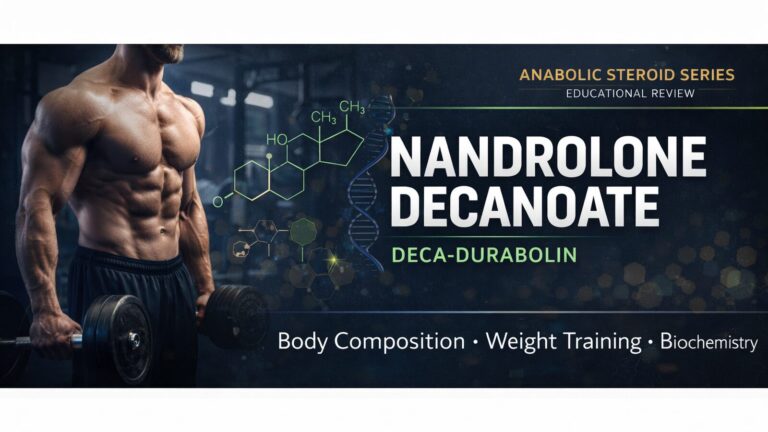


1. What Is Testosterone Propionate?
Testosterone Propionate is a short-acting esterified form of testosterone. The propionate ester (propanoate) is attached to the testosterone molecule to slow absorption after injection — but far less than longer esters such as enanthate or cypionate.
It is classified as an anabolic-androgenic steroid (AAS) and, like other testosterone preparations, is a Schedule III controlled substance in the United States.
The hormone itself is identical to endogenous testosterone. The difference lies entirely in release kinetics.

2. Historical Development
Testosterone Propionate was one of the earliest commercially available testosterone esters, introduced in the 1930s shortly after testosterone was first synthesized.
Before longer-acting esters were developed, propionate was widely used in clinical practice for:
- Male hypogonadism
- Delayed puberty
- Certain cachectic conditions
It eventually became less common in medical practice due to its shorter half-life, which requires more frequent administration.
3. Chemical Composition and Pharmacology
- Chemical Name: Testosterone propanoate
- Molecular Formula: C22H32O3
- Administration Route: Intramuscular injection
- Approximate Half-life: ~2 days (varies by individual)
Mechanism of Action
Once the ester is cleaved in circulation, free testosterone:
- Binds to androgen receptors
- Increases protein synthesis
- Promotes nitrogen retention
- Stimulates erythropoiesis
- Supports bone mineral density
- Influences libido and mood
Metabolic Pathways
Testosterone Propionate undergoes the same metabolic conversions as all testosterone:
- Aromatization → Estradiol (E2)
Contributes to estrogen-mediated effects. - 5-alpha reduction → DHT
Drives androgenic effects in skin, prostate, and hair follicles.
The shorter ester means serum levels rise and fall more rapidly compared to enanthate or cypionate.
4. Medical Indications
Historically approved for:
- Primary hypogonadism
- Hypogonadotropic hypogonadism
- Delayed puberty
Today, it is less frequently prescribed than longer-acting esters due to practicality.
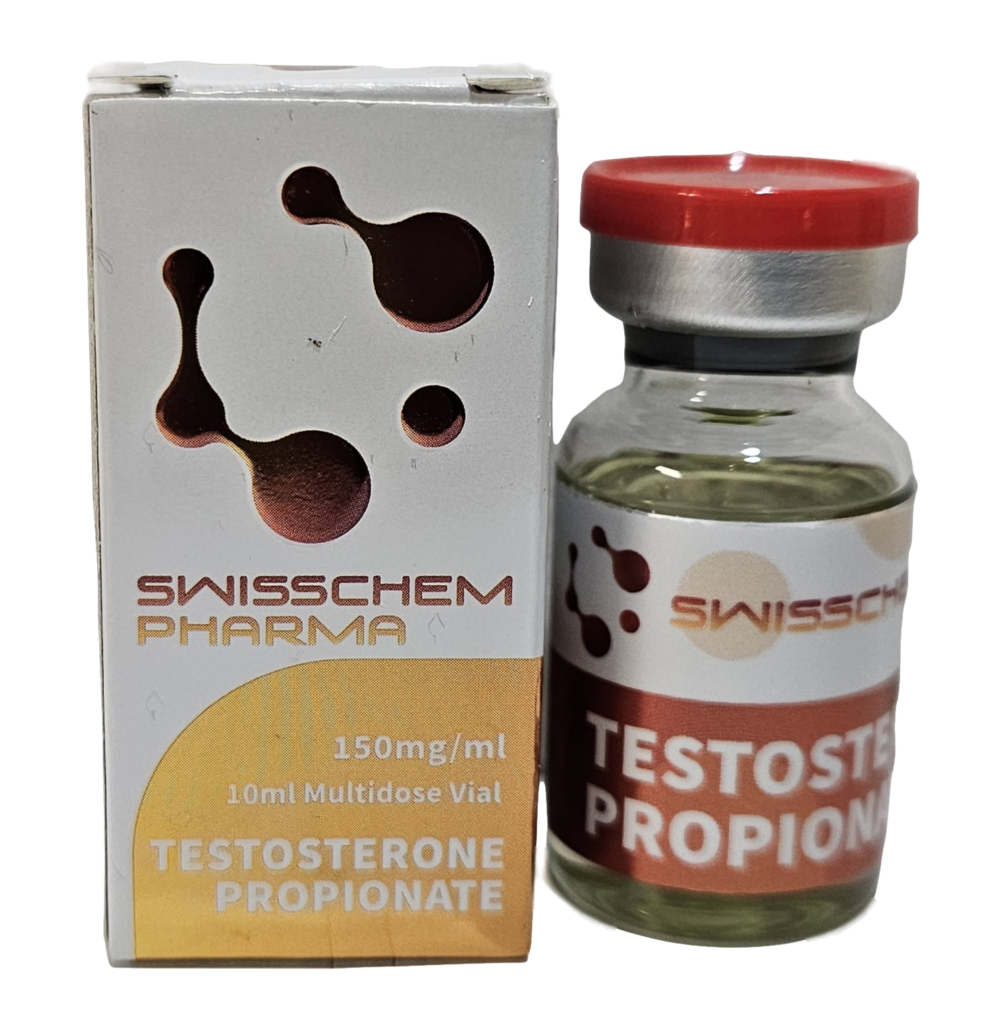
5. Pharmaceutical Presentation and Manufacturers
Typically supplied as:
- Oil-based injectable solution
- Concentrations historically around 25–100 mg/mL
Major pharmaceutical production has declined in favor of longer esters, but it remains available in certain markets and compounded formulations.
Underground laboratory production is common in physique-focused communities, increasing contamination and dosing risks.
6. Why Some Prefer It (Non-Medical Context)
Individuals who misuse Testosterone Propionate often cite:
- Faster onset of action
- Perceived tighter control over hormone levels
- Shorter clearance time
However, these perceived advantages come with increased injection frequency and greater hormonal fluctuation.
7. Adverse Effects and Risks
The risk profile is fundamentally the same as other testosterone esters.
Short-Term Risks
- Injection site irritation (more common due to frequency)
- Acne
- Fluid retention
- Blood pressure elevation
- Mood changes
Estrogen-Related Risks
- Gynecomastia
- Water retention
Androgenic Risks
- Hair loss (genetic predisposition)
- Prostate enlargement
Cardiovascular Risks
- Reduced HDL cholesterol
- Elevated LDL cholesterol
- Increased hematocrit
- Thrombotic risk
Endocrine Suppression
Use suppresses natural testosterone production via HPG axis inhibition, potentially causing:
- Testicular atrophy
- Reduced sperm production
- Infertility
Recovery is unpredictable.
8. Comparative Perspective: Propionate vs. Enanthate
The key difference is duration:
- Propionate = shorter half-life, faster fluctuations
- Enanthate = longer half-life, smoother levels
Risk is dose-dependent — not ester-dependent.
The ester changes convenience, not intrinsic safety.
9. Laboratory Monitoring (Medical Context)
Under physician supervision, monitoring typically includes:
- Total and free testosterone
- Estradiol
- Hematocrit / hemoglobin
- Lipid profile
- Liver enzymes
- PSA
10. Legal and Anti-Doping Status
- Schedule III controlled substance (U.S.)
- Prohibited by WADA
- Detectable through isotope ratio testing
About the Author

Get the free Forge Baseline.
Seven metrics for strength, recovery, body composition, and consistency.
Forge Your Mind. Build Your Biology.
Join the Forge Biology newsletter — where science meets strength.
Every week, you’ll get:
-
Evidence-based insights on training, performance, and recovery
-
Real analyses of supplements that work (and the ones that don’t)
-
Deep dives into hormones, nutrition, and human optimization
No fluff. No marketing hype. Just data-driven knowledge to build a stronger body — and a sharper mind.
Subscribe now and start mastering your biology.