
1. What Is Oxandrolone?
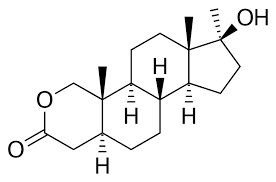
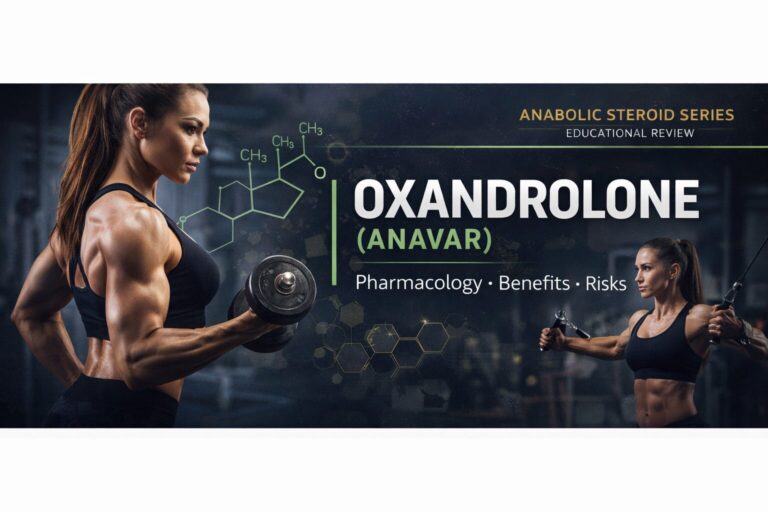
Oxandrolone is a synthetic anabolic-androgenic steroid (AAS) derived from dihydrotestosterone (DHT). It was developed to provide strong anabolic effects with relatively low androgenic activity.
Unlike many injectable steroids, oxandrolone is orally active, meaning it can be taken in tablet form due to structural modifications that protect it from rapid liver metabolism.
It is marketed under the historical brand name Anavar.
2. Historical Background
Oxandrolone was first introduced in 1964 by Searle Laboratories (now part of Pfizer).
It was designed for clinical conditions involving severe muscle loss, where anabolic support could improve recovery and physical function.
Medical uses have included:
- Recovery from severe burns
- Post-surgical catabolic states
- Chronic infections causing weight loss
- Osteoporosis
- Muscle wasting disorders
Because of its comparatively mild androgenic effects, it was sometimes prescribed for women and children in medical contexts.
3. Chemical Profile
- Chemical Name: Oxandrolone
- Class: DHT-derived anabolic steroid
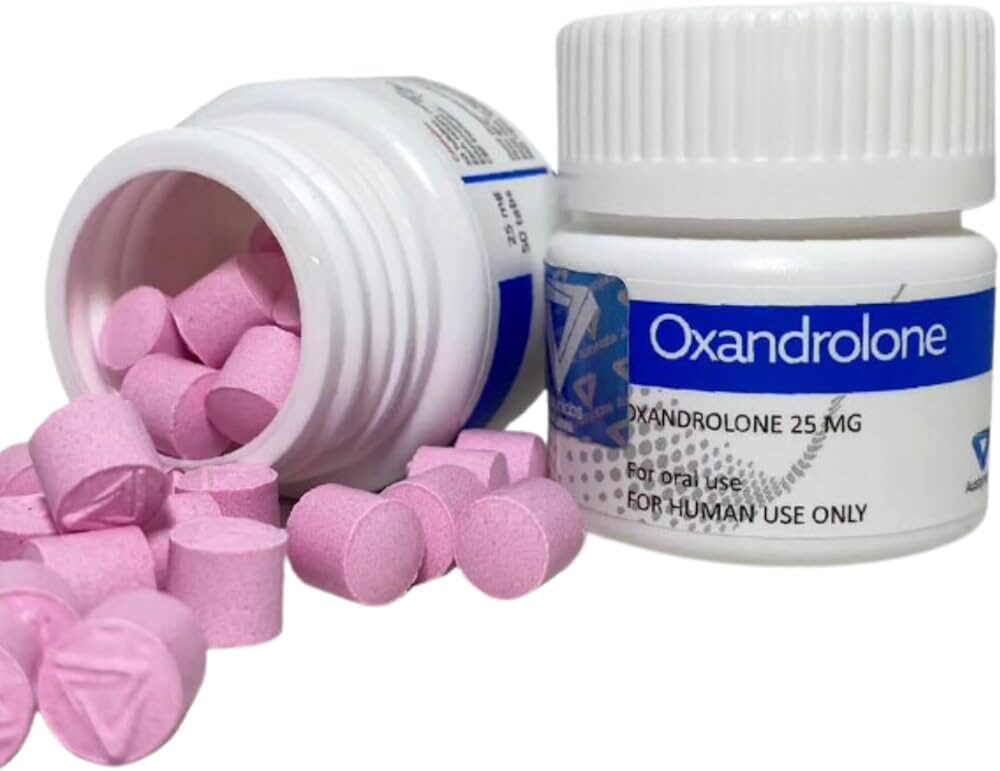
- Administration: Oral tablet
- Half-life: ~9–10 hours
Structural Features
Oxandrolone contains two important modifications:
- 17-alpha alkylation
Allows oral bioavailability but increases liver strain. - Oxygen substitution at carbon-2
Reduces androgenic activity while maintaining anabolic potential.
4. Mechanism of Action
Oxandrolone binds to androgen receptors in muscle tissue and stimulates:
- Protein synthesis
- Nitrogen retention
- Increased lean body mass
- Improved strength output
Unlike testosterone, oxandrolone:
- Does not aromatize into estrogen
- Produces minimal water retention
This contributes to the “dry” appearance often associated with its use.
5. Why It Became Popular in Athletics
Outside of clinical medicine, oxandrolone has been widely used in physique and performance contexts due to several perceived characteristics:
- Lean muscle gain
- Strength improvement
- Minimal water retention
- Lower androgenic effects compared to many steroids
These traits have made it popular during cutting phases in bodybuilding.
6. Adverse Effects and Risks
Despite its reputation as a “milder” anabolic steroid, oxandrolone still carries significant risks.
Liver Toxicity
Because it is 17-alpha alkylated, oxandrolone places stress on the liver.
Potential risks include:
- Elevated liver enzymes
- Hepatic strain with prolonged exposure
- Rare cases of liver injury
Cardiovascular Risk
One of the most concerning effects is its impact on lipid profiles:
- Significant reduction in HDL cholesterol
- Increase in LDL cholesterol
These changes can contribute to long-term cardiovascular risk.
Endocrine Suppression
Even though it is considered mild compared to other anabolic steroids, oxandrolone still suppresses the hypothalamic–pituitary–gonadal axis.
This may lead to:
- Reduced natural testosterone production
- Testicular suppression in males
Additional Side Effects
Possible adverse effects include:
- Acne
- Mood changes
- Fatigue after discontinuation
- Androgenic effects in susceptible individuals
7. Detection and Anti-Doping
Oxandrolone is prohibited by WADA and all major sporting organizations.
Advanced testing methods can detect oxandrolone metabolites long after use.
8. Comparative Perspective
Compared to other anabolic steroids:
Oxandrolone generally produces:
- Less water retention
- Lower androgenic activity
- Lower mass gain compared to stronger injectables
However, it still significantly affects lipids, endocrine function, and liver health.
Final Consideration
Oxandrolone was developed for legitimate medical purposes involving severe catabolic conditions.
Its reputation as a “safe” anabolic steroid is often overstated. Even relatively mild anabolic agents can produce meaningful systemic effects when used outside clinical supervision.
Understanding the biochemical mechanisms and long-term health implications is essential when evaluating any anabolic compound.
About the Author

Forge Your Mind. Build Your Biology.
Join the Forge Biology newsletter — where science meets strength.
Every week, you’ll get:
-
Evidence-based insights on training, performance, and recovery
-
Real analyses of supplements that work (and the ones that don’t)
-
Deep dives into hormones, nutrition, and human optimization
No fluff. No marketing hype. Just data-driven knowledge to build a stronger body — and a sharper mind.
Subscribe now and start mastering your biology.