

Staying fit is one of those phrases everyone uses but few truly understand. It’s thrown around in gym ads, social media captions, and casual conversations—yet the science behind what it means to be fit and how to stay that way is often oversimplified. Let’s unpack what “fitness” really is, how to optimize each of its key components, and what science says about doing it effectively.
What does it mean to be fit?
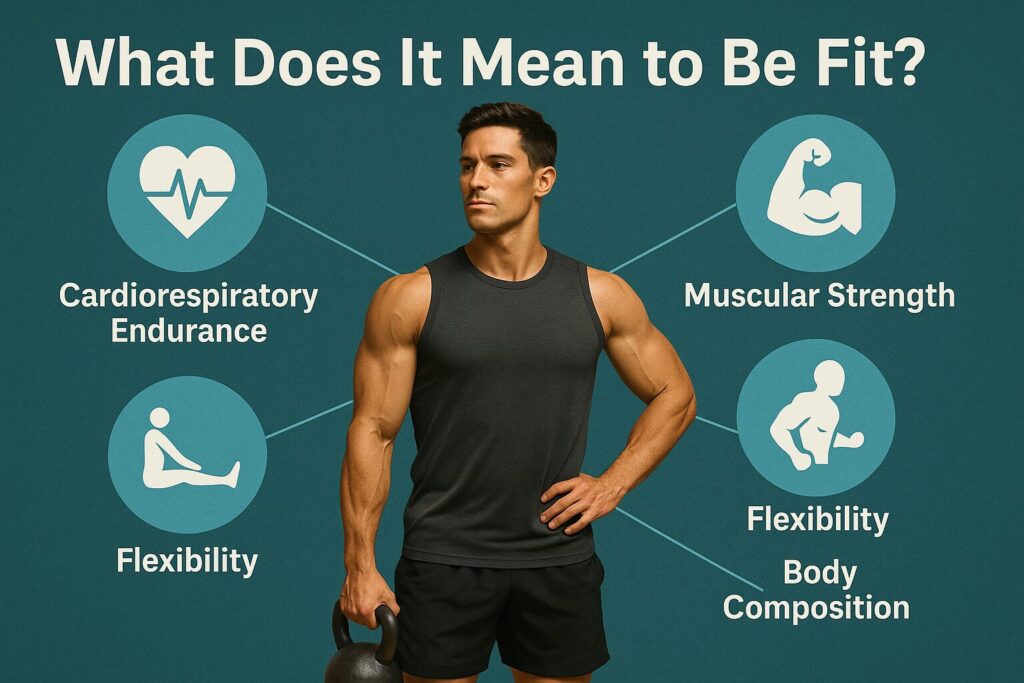
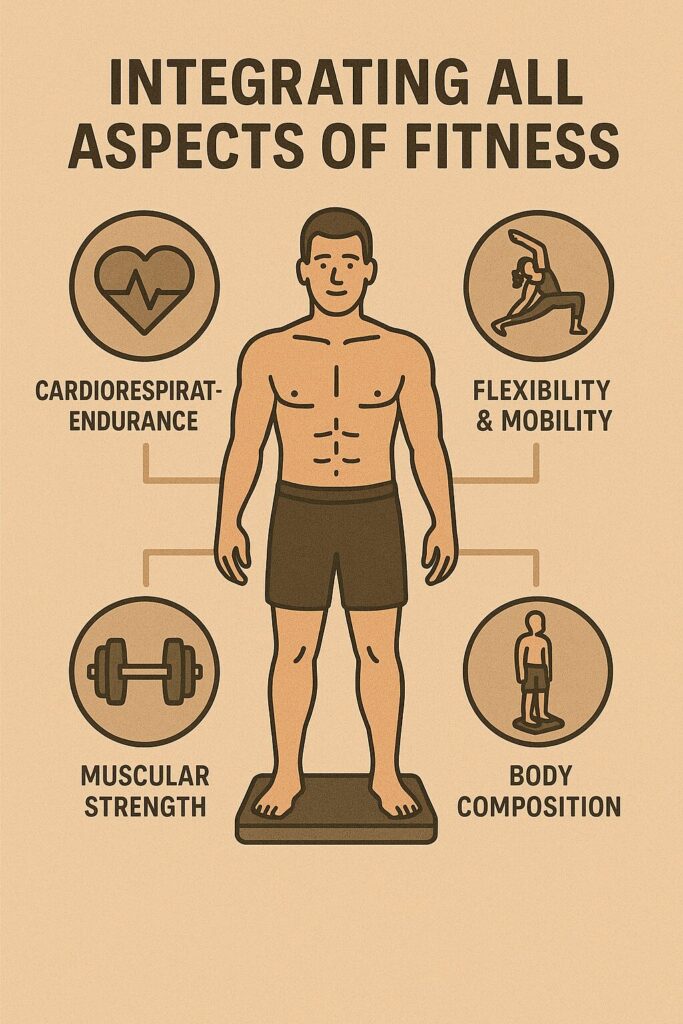
Fitness is not just about having visible abs or being able to run a marathon. In exercise physiology, physical fitness refers to a set of measurable attributes that determine how efficiently your body performs physical work. According to the American College of Sports Medicine (ACSM, 2021), these include cardiorespiratory endurance, muscular strength, muscular endurance, flexibility, and body composition. Together, they represent your ability to meet physical challenges—whether that’s lifting groceries, climbing stairs, or surviving a tactical mission.
In essence, being fit means being capable—able to move, lift, endure, and recover efficiently. It’s a biological readiness for life.
Fitness is multidimensional
No single workout captures “fitness” as a whole. A strong weightlifter might struggle to run a mile, while a marathon runner might lack upper-body power. This is because fitness is not one-dimensional—it’s an integration of systems: cardiovascular, neuromuscular, metabolic, and even psychological.
The goal, therefore, isn’t just to specialize, but to balance. You can’t call yourself fit if you’re strong but constantly injured, or lean but chronically fatigued.
1. Cardiorespiratory Endurance: The Foundation
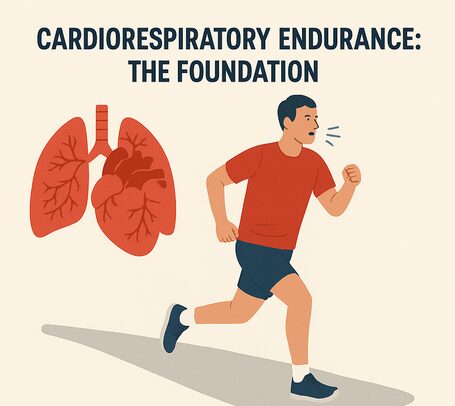
This is your heart and lungs working together to supply oxygen to muscles during sustained activity. High endurance lowers cardiovascular disease risk, improves insulin sensitivity, and enhances recovery capacity between strength sessions (Booth et al., Physiol Rev, 2012).
To train it, the ACSM recommends at least 150 minutes of moderate or 75 minutes of vigorous aerobic activity per week. Think steady runs, cycling, swimming, or even high-intensity intervals.
How to train endurance efficiently
Modern research favors a mixed approach. A 2019 meta-analysis in Frontiers in Physiology found that combining low-intensity steady-state (LISS) training with high-intensity interval training (HIIT) yields superior adaptations in VO₂ max and fat oxidation.
Practically, this means mixing long easy sessions with short, brutal bursts—say, 2–3 HIIT workouts and 1–2 longer, slower sessions per week.
2. Muscular Strength: The Engine of Functionality
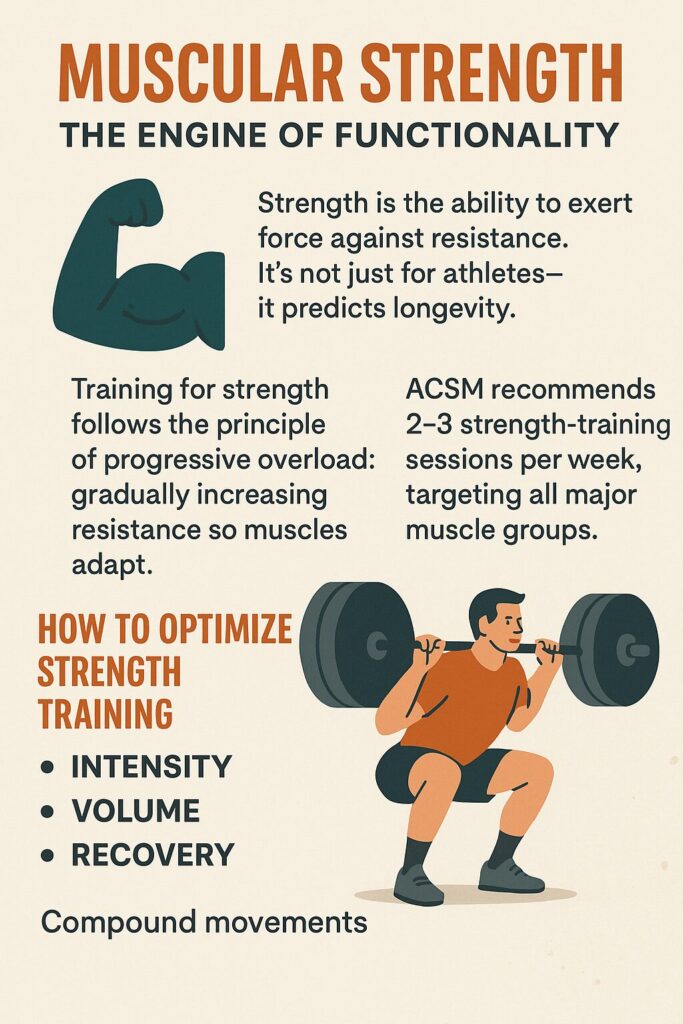
Strength is the ability to exert force against resistance. It’s not just for athletes—it predicts longevity. In fact, a study in The BMJ (2018) showed that grip strength alone correlates strongly with all-cause mortality.
Training for strength follows the principle of progressive overload: gradually increasing resistance so muscles adapt. The ACSM recommends 2–3 strength-training sessions per week, targeting all major muscle groups.
How to optimize strength training
The key variables are intensity, volume, and recovery. For maximal strength, lift heavy (75–90% of your 1-rep max) with low repetitions (3–6 reps) and longer rest intervals. For hypertrophy or muscle tone, moderate loads (65–75% 1RM) with higher reps (8–12) work best (Schoenfeld et al., J Strength Cond Res, 2017).
Compound movements like squats, presses, and pulls should form your foundation. Machines and isolation work can complement them—but never replace them.
3. Muscular Endurance: The Forgotten Hero
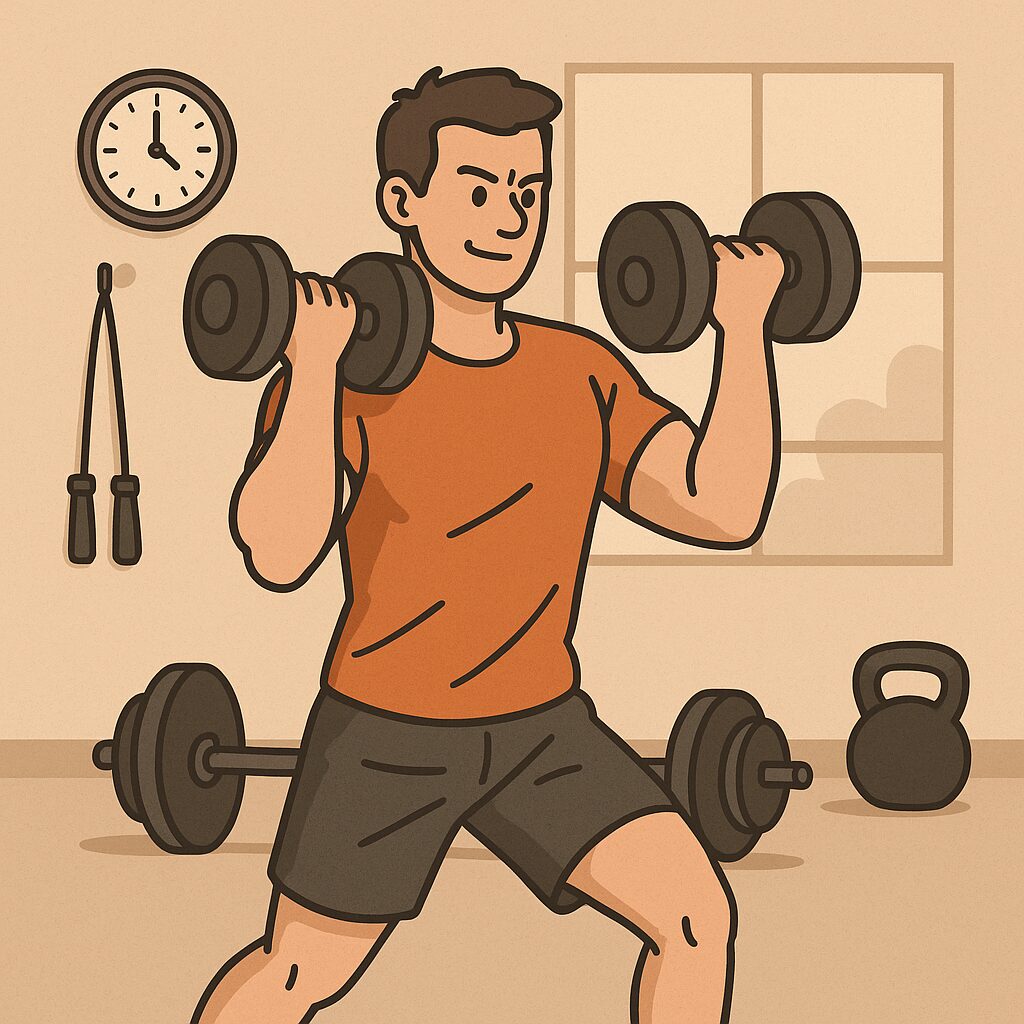
Endurance is your muscles’ ability to sustain submaximal force over time—critical for sports, combat, and daily life. It’s also key for posture and injury prevention.
You train this with lighter loads (40–60% 1RM) for higher reps (15–20 or more) and shorter rest intervals. Circuit training or CrossFit-style workouts are efficient methods when properly programmed.
4. Flexibility and Mobility: The Freedom to Move
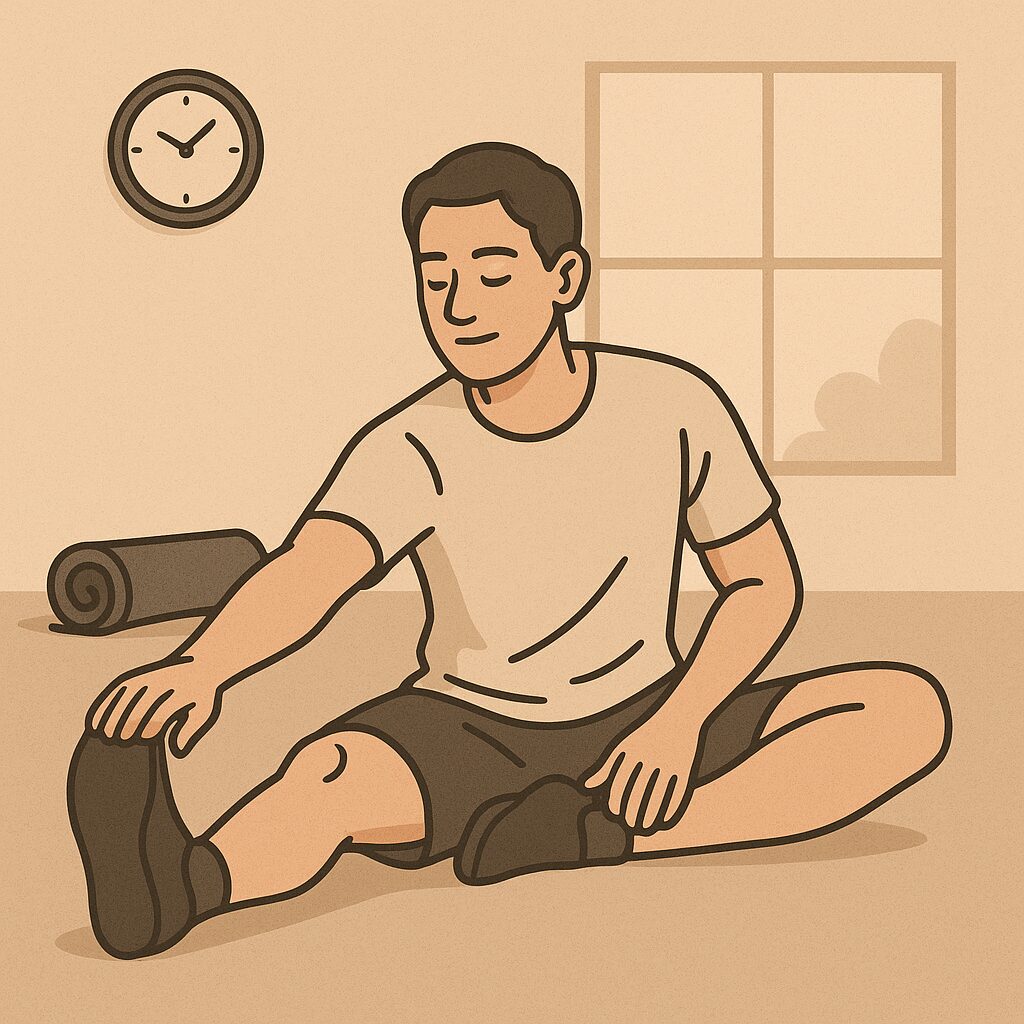
Flexibility is often underestimated until pain appears. It’s the range of motion at a joint, influenced by muscle length, connective tissue, and neural control. Mobility combines that flexibility with stability and control.
Regular stretching and movement drills maintain tissue quality and joint function. A 2016 study in Clinical Biomechanics showed that individuals with greater hip and shoulder mobility experienced fewer injuries and better motor performance.
How to train flexibility properly
Static stretching improves range when held for 20–60 seconds per muscle, ideally after workouts. Dynamic stretching—controlled, movement-based warm-ups—prepares the body for action and enhances performance (Behm & Chaouachi, Eur J Appl Physiol, 2011).
Add at least 10–15 minutes of mobility work to your daily routine.
5. Body Composition: The Visible Side of Fitness
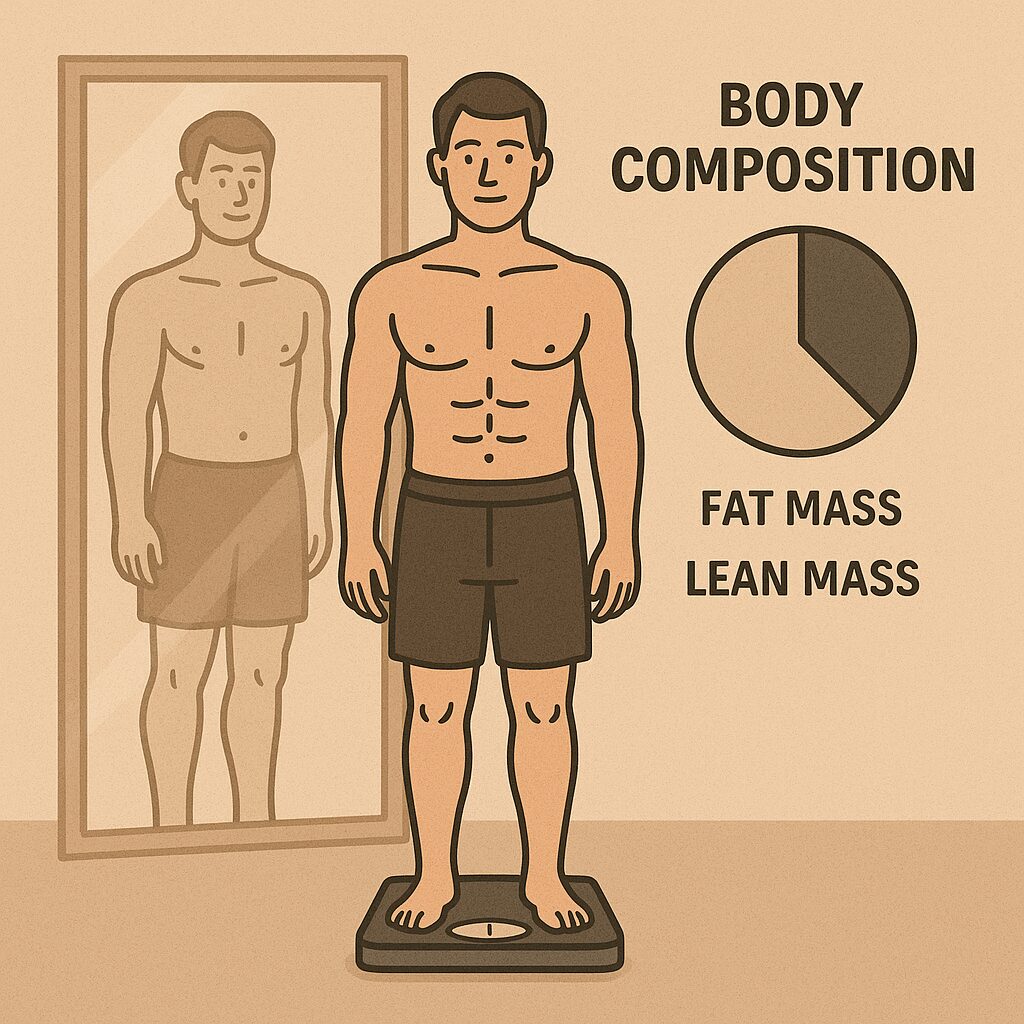
Body composition refers to your ratio of fat mass to lean mass. While aesthetics often drive people’s goals, science links lean mass to metabolic health and resilience.
A study published in Obesity (2019) showed that higher muscle mass independently predicts reduced mortality risk—even in overweight individuals. Muscle is metabolically active tissue: it improves glucose control, hormone balance, and overall energy expenditure.
How to manage body composition effectively
Nutrition plays the leading role. A moderate caloric deficit (10–20%) is the most efficient way to reduce fat while preserving muscle—especially when combined with resistance training and adequate protein intake (1.6–2.2 g/kg/day, per J Int Soc Sports Nutr, 2018).
Avoid extreme diets—they trigger metabolic slowdown and hormonal disruption. Fitness is built on sustainability, not restriction.
6. Neuromuscular Coordination: The Hidden Component
Coordination, balance, and agility rarely get the spotlight, but they separate the merely strong from the truly athletic. They depend on how efficiently your brain communicates with muscles.
Agility drills, unilateral movements, and reactive training sharpen these skills. They also make you less injury-prone and more adaptable under stress—an essential trait for both athletes and tactical operators.
Rest: The Missing Variable
Training breaks you down; recovery builds you up. Chronic fatigue, low motivation, and stagnation are signs of overtraining. Research from the Journal of Sports Medicine (2020) emphasizes the importance of sleep, nutrition, and stress management in performance optimization.
Prioritize 7–9 hours of sleep, hydration, and recovery sessions like stretching, walking, or massage. Without recovery, fitness collapses.
Consistency: The True Secret Weapon
You can have the best plan, the latest supplements, and cutting-edge equipment—but if you’re inconsistent, nothing works. Fitness adaptations follow the principle of reversibility: stop training, and you regress.
A 2021 study in Sports Health found that even two weeks of detraining reduced VO₂ max and muscle glycogen significantly. The antidote? Make fitness a lifestyle, not a phase.
Mental fitness matters too
Motivation fluctuates; discipline sustains. Exercise triggers neurochemical benefits—dopamine, serotonin, and endorphins—that improve mental health. In fact, regular physical activity reduces depression risk by up to 30% (Lancet Psychiatry, 2018).
Staying fit isn’t just physical—it’s cognitive and emotional resilience too.
The holistic model: integrating all systems
The most successful fitness strategies blend endurance, strength, mobility, and recovery into a unified routine. You can’t optimize one without affecting the others.
Cross-training, tactical conditioning, and functional programs reflect this integrative philosophy: train movements, not just muscles; energy systems, not just aesthetics.
A week of balanced training might look like this:
- Day 1: Full-body strength (heavy lifts + core)
- Day 2: HIIT or sprint intervals
- Day 3: Mobility + active recovery
- Day 4: Upper-body strength and endurance circuits
- Day 5: Long aerobic session (run, bike, or row)
- Day 6: Functional drills or sport practice
- Day 7: Rest or yoga
The science of longevity through movement
Fitness is the closest thing we have to an anti-aging drug. Research from Harvard’s T.H. Chan School of Public Health (2019) shows that 150 minutes of weekly activity reduces premature mortality by 33%. Combine that with strength training twice a week, and the risk drops even further.
Movement is medicine—free, potent, and universally available.
The best way to stay fit? Do what you enjoy, but make it hard enough to adapt.
The most effective training program is the one you can sustain. Consistency beats perfection. As ACSM often says, “some activity is better than none, and more is better than some.”
Practical advice: build fitness around your life, not the other way around
If you’re short on time, prioritize compound strength exercises and short, intense cardio bursts. Walk daily. Sleep enough. Eat whole foods rich in protein. Track your progress but don’t obsess over it.
And above all, move with purpose. Fitness is not punishment—it’s your declaration that you’re still alive and capable of improving.
References
- American College of Sports Medicine. (2021). ACSM’s Guidelines for Exercise Testing and Prescription.
- Booth, F.W., Roberts, C.K., & Laye, M.J. (2012). Lack of exercise is a major cause of chronic diseases. Physiol Rev, 92(3), 1351–1402.
- Schoenfeld, B.J., et al. (2017). Strength and hypertrophy adaptations between low- vs. high-load resistance training. J Strength Cond Res, 31(12), 3508–3523.
- Behm, D.G., & Chaouachi, A. (2011). A review of the acute effects of static and dynamic stretching. Eur J Appl Physiol, 111(11), 2633–2651.
- Nedeltcheva, A.V. et al. (2010). Sleep curtailment is accompanied by increased intake of calories from snacks. Ann Intern Med, 153(7), 435–441.
- Harvard T.H. Chan School of Public Health. (2019). Physical Activity and Mortality Risk.
- Lancet Psychiatry. (2018). Physical activity and incidence of depression: prospective study in 1.2 million individuals.
About the Author

Forge Your Mind. Build Your Biology.
Join the Forge Biology newsletter — where science meets strength.
Every week, you’ll get:
-
Evidence-based insights on training, performance, and recovery
-
Real analyses of supplements that work (and the ones that don’t)
-
Deep dives into hormones, nutrition, and human optimization
No fluff. No marketing hype. Just data-driven knowledge to build a stronger body — and a sharper mind.
Subscribe now and start mastering your biology.